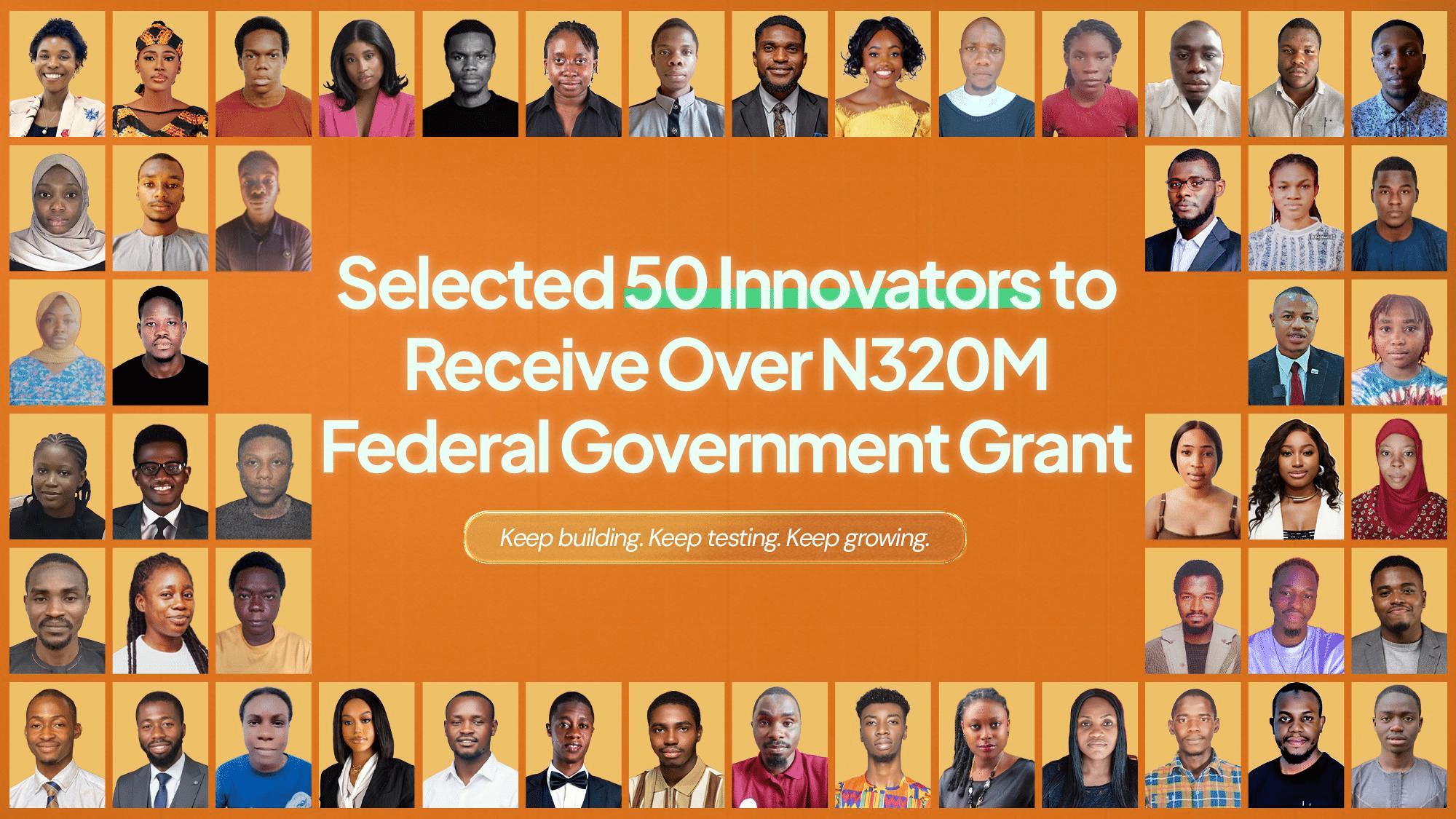
iDICE Startup Bridge Programme Launched

The Nigerian federal government, through its iDICE (Innovation, Digital, and Creative Economy) initiative, has announced the launch of its Startup Bridge Programme. This initiative aims to bolster the nation's burgeoning tech ecosystem by providing substantial funding to promising early-stage startups. The first cohort, under the Founders Lab programme, will see 50 selected innovators receive a collective sum exceeding N320 million (approximately $200,000 USD at the time of announcement). This program represents a significant commitment from the government to foster innovation and support the growth of technology-driven businesses within Nigeria. The iDICE initiative itself is designed to be a multi-faceted approach to developing the digital and creative sectors, and the Startup Bridge Programme is a key component of this strategy. The selection process for the Founders Lab Cohort 1 focused on identifying startups with high growth potential, innovative solutions, and a clear path to market impact.

Focus on Founders Lab Cohort 1

The Founders Lab Cohort 1 is the inaugural phase of the Startup Bridge Programme. It is specifically tailored to provide not just financial backing but also a structured support system for the selected founders. This includes mentorship, access to resources, and networking opportunities designed to accelerate their development and scale their operations. The N320 million is earmarked for a variety of uses, including product development, market expansion, talent acquisition, and operational scaling. While the exact breakdown of funding per startup is not publicly detailed, the overarching goal is to provide enough capital to make a tangible difference in the early stages of these companies. This funding injection is critical for startups that often face significant challenges in securing seed capital in emerging markets. The program's design suggests a focus on practical, actionable support that goes beyond a simple cash injection, aiming to build sustainable businesses. The government's involvement signals a strategic intent to leverage technology and innovation as key drivers of economic growth. By directly investing in startups, iDICE aims to create a ripple effect, generating employment, attracting further private investment, and positioning Nigeria as a leading tech hub in Africa.

Broader Impact and Future Outlook

The iDICE Startup Bridge Programme's focus on supporting 50 innovators is a deliberate strategy to cast a wide net and capture a diverse range of technological advancements. The program is expected to cover various sectors within the tech landscape, from fintech and agritech to healthtech and edtech, reflecting the broad potential of Nigeria's innovative talent pool. This initiative is more than just a funding scheme; it is a signal to the global investment community about Nigeria's commitment to its tech sector. By de-risking early-stage investments through government backing, iDICE aims to encourage more private venture capital to flow into the ecosystem. The success of this first cohort will likely pave the way for future iterations and potentially larger funding rounds, establishing a more robust pipeline for startup growth in the country. The long-term vision for iDICE and its associated programs like Startup Bridge is to cultivate a self-sustaining innovation ecosystem. This involves not only funding but also policy support, infrastructure development, and fostering a culture of entrepreneurship. The N320 million represents a significant initial step, but the true impact will be measured by the growth and success of the 50 startups it empowers and the subsequent waves of innovation it inspires. What remains to be seen is how the program will navigate the complexities of startup scaling in Nigeria, including regulatory hurdles, market access, and talent retention. The government's ability to provide ongoing support and adapt the program based on the cohort's performance will be crucial for its sustained success. The initiative has the potential to transform the landscape for early-stage tech companies in Nigeria, moving beyond anecdotal success stories to systemic growth.