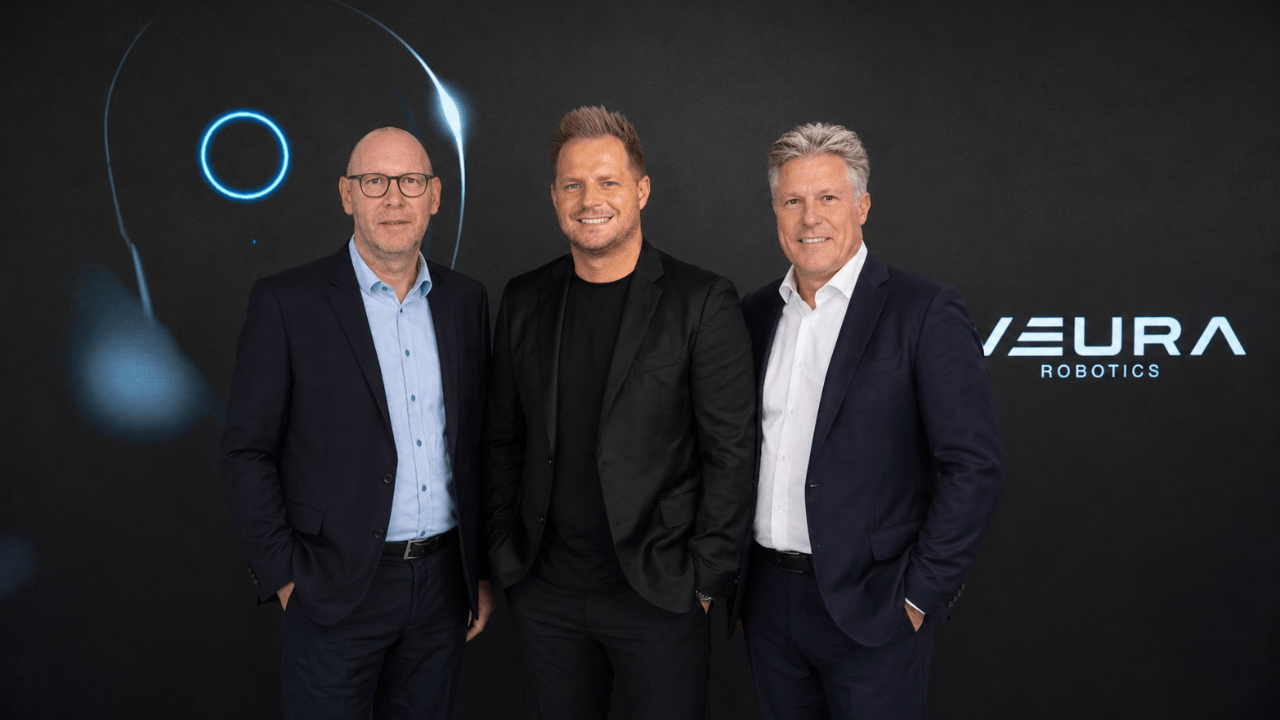
NEURA Robotics Deepens Physical AI Footprint with ADLATUS Acquisition
NEURA Robotics, a company focused on developing advanced robotics powered by what it terms 'Physical AI,' has announced the acquisition of 100 percent of ADLATUS Robotics. This strategic move significantly expands NEURA's reach into the autonomous cleaning sector, integrating ADLATUS's established expertise and product lines into NEURA's broader ecosystem. The acquisition signals a clear intent by NEURA Robotics to solidify its position as a leader in intelligent, adaptable robotic solutions for a variety of real-world applications.
ADLATUS Robotics, based in Ulm, Germany, has carved out a niche in the market with its autonomous cleaning robots. These machines are designed for commercial use, offering automated solutions for floor cleaning in spaces like airports, shopping malls, and logistics centers. The company's technology emphasizes efficiency, reliability, and sophisticated navigation capabilities, allowing robots to operate autonomously in complex and dynamic environments. By bringing ADLATUS into the NEURA fold, NEURA Robotics gains not only a portfolio of proven products but also a team with deep domain knowledge in commercial robotics and AI-driven automation.
The integration of ADLATUS is expected to accelerate NEURA Robotics' mission to create a comprehensive 'Physical AI' ecosystem. This ecosystem aims to provide a unified platform for developing and deploying robots that can perceive, learn, and interact with the physical world in a more human-like manner. Physical AI, as envisioned by NEURA, goes beyond traditional AI by focusing on the robot's ability to understand and adapt to the nuances of physical environments, including object recognition, spatial reasoning, and dynamic task execution. ADLATUS's autonomous cleaning robots, with their advanced sensor suites and intelligent pathfinding algorithms, are a prime example of this principle in action.

Synergies and Strategic Alignment
The acquisition is more than just a financial transaction; it represents a significant strategic alignment. NEURA Robotics has been vocal about its ambition to build a platform that allows developers and businesses to create a wide range of AI-powered robots. ADLATUS's technology and market presence in autonomous cleaning provide a perfect entry point into a large and growing industry. Commercial cleaning is a sector ripe for automation, facing challenges such as labor shortages, increasing demand for hygiene, and the need for cost-effective operational solutions. ADLATUS's robots address these needs directly, and NEURA's backing promises to enhance their capabilities further.
For ADLATUS, becoming part of NEURA Robotics offers access to broader resources, advanced AI research, and a larger market. NEURA's focus on developing a versatile Physical AI platform means that ADLATUS's cleaning robots could potentially be enhanced with new functionalities, such as advanced human-robot interaction, predictive maintenance powered by AI, or even the ability to perform secondary tasks beyond cleaning. This synergy is crucial for driving innovation in the field of autonomous systems, moving beyond single-purpose robots to more adaptable and intelligent machines.
The technical integration will likely focus on leveraging NEURA's core Physical AI technologies, such as its advanced perception systems and learning algorithms, to augment ADLATUS's existing platforms. This could lead to robots that are not only better at cleaning but also more aware of their surroundings, capable of avoiding unexpected obstacles with greater finesse, and able to optimize their cleaning patterns in real-time based on environmental changes or user feedback. The goal is to create a feedback loop where data from the cleaning robots informs the development of NEURA's broader Physical AI platform, and vice versa.
Market Implications and Future Outlook
The acquisition places NEURA Robotics in a stronger competitive position against other players in the robotics and AI space. By consolidating expertise in both core robotic AI and specific application domains like autonomous cleaning, NEURA is building a robust business model. The company's strategy appears to be one of targeted acquisition and integration, aiming to assemble a comprehensive suite of robotic solutions under one umbrella, all powered by its Physical AI vision.
This move could also set a precedent for how robotics companies are consolidating and specializing. As the market matures, companies that can offer integrated solutions, rather than standalone hardware, are likely to gain an advantage. NEURA Robotics' acquisition of ADLATUS is a clear signal that it is pursuing this integrated approach, aiming to be a one-stop shop for advanced, AI-driven robotic systems across various industries. The autonomous cleaning market, in particular, is expected to see significant growth, and NEURA's enhanced presence positions it to capture a substantial share.
What remains to be seen is how quickly NEURA Robotics can fully integrate ADLATUS's operations and technology, and what new innovations will emerge from this union. The potential for these autonomous cleaning robots to become more intelligent, versatile, and integrated into smart building management systems is immense. If NEURA can successfully leverage its Physical AI platform to create robots that are not just autonomous but also truly adaptive and collaborative, it could redefine the landscape of commercial robotics.