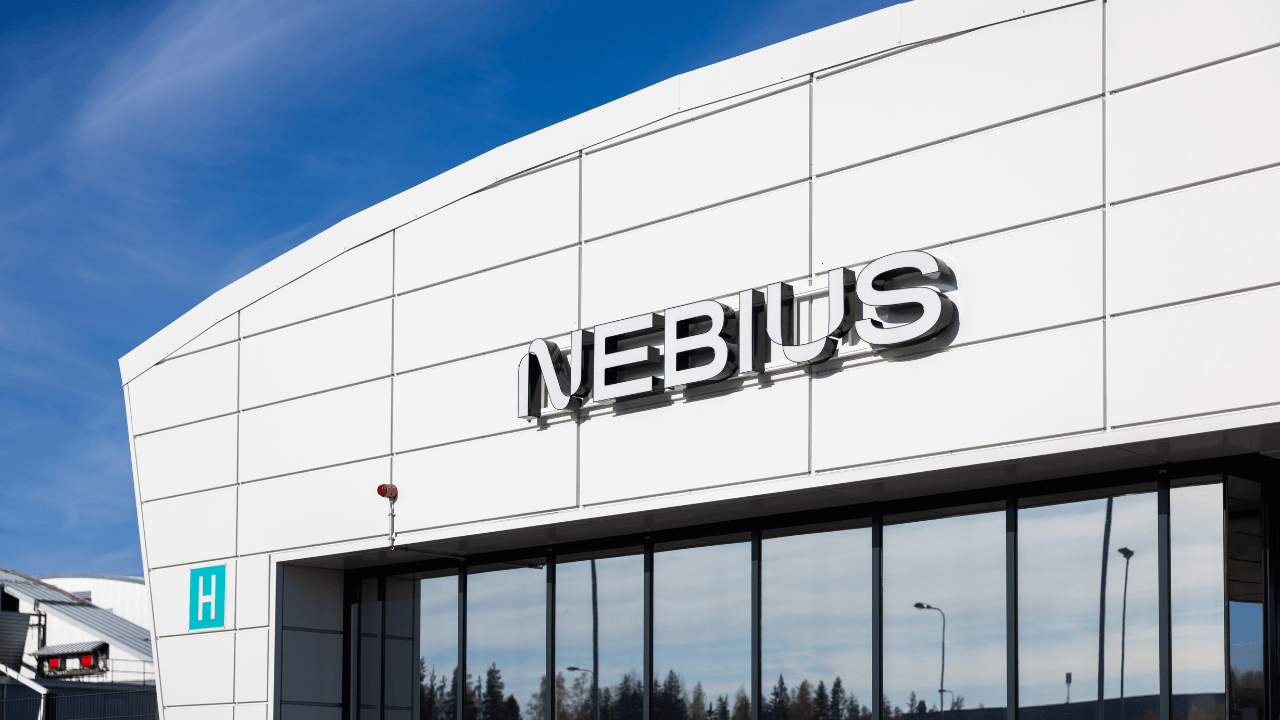
Nebius Eyes Major Funding Round for AI Infrastructure Build-Out
Nebius, an Amsterdam-based provider of AI infrastructure, is preparing to raise $4.5 billion through the issuance of convertible notes. The company announced its intention today, signaling a significant push to finance the substantial costs associated with expanding its compute capacity and data center footprint. This move underscores the immense capital requirements inherent in the rapidly growing AI sector, where demand for processing power and specialized hardware continues to outpace supply.
The AI infrastructure market is characterized by a relentless arms race for more powerful GPUs, larger data centers, and efficient cooling systems. Companies like Nebius are at the forefront of this expansion, providing the foundational hardware and services that enable AI development and deployment. The decision to raise such a large sum through convertible notes suggests Nebius's confidence in its future growth trajectory and its ability to service this debt through future equity or revenue generation. Convertible notes offer flexibility, allowing the company to defer equity dilution until a later stage, potentially at a higher valuation.
The capital raised will be primarily directed towards acquiring more cutting-edge AI accelerators, such as NVIDIA's H100s and future generations of chips, which are in exceptionally high demand and command premium prices. Beyond hardware, significant investment will flow into building and expanding data center facilities. This includes securing real estate, constructing specialized buildings designed for high-density computing, and implementing advanced cooling solutions necessary to manage the thermal output of thousands of GPUs. The operational costs of running such facilities, including power consumption and maintenance, are also substantial and will be a key consideration for Nebius.
Market Dynamics and Competitive Landscape
Nebius operates in a highly competitive and capital-intensive market. Major cloud providers like Amazon Web Services, Microsoft Azure, and Google Cloud have been investing billions in their own AI infrastructure. Alongside these giants, a growing number of specialized AI infrastructure startups are emerging, each vying for market share and talent. The sheer scale of Nebius's proposed funding round indicates its ambition to compete at a significant level, potentially challenging established players by offering specialized solutions or more competitive pricing models.
The demand for AI compute is driven by the proliferation of large language models (LLMs), generative AI applications, and complex scientific research. As more businesses integrate AI into their operations, the need for accessible, scalable, and powerful computing resources intensifies. Nebius's strategy appears to be centered on meeting this demand by providing the necessary physical infrastructure, a critical bottleneck for many AI developers and companies. The company's location in Amsterdam, a hub for data centers and technology in Europe, likely provides strategic advantages in terms of connectivity, talent, and regulatory environment.
The issuance of convertible notes is a strategic financial instrument. Unlike traditional debt, these notes can be converted into equity at a predetermined price. This structure is often favored by growing tech companies that anticipate future valuation increases. For Nebius, it provides the immediate capital needed for expansion without immediately diluting existing shareholders. However, it also carries the risk of future dilution if the conversion price is met or exceeded. The terms of these notes—interest rates, conversion triggers, and maturity dates—will be critical in assessing the long-term financial implications for the company.
The Unanswered Question of Scalability and Efficiency
While Nebius's ambitious funding goal addresses the immediate need for capital, a critical question remains: how will the company ensure the efficient and scalable operation of this vast new infrastructure? Building data centers and acquiring hardware is only the first step. The true challenge lies in managing the complexity of large-scale AI compute, optimizing resource allocation, ensuring high uptime, and developing the software stack that makes this infrastructure accessible and performant for its clients. The ability to scale operations smoothly and cost-effectively, particularly in the face of rapidly evolving hardware and software technologies, will be the ultimate determinant of Nebius's success. The company's technical leadership and operational strategy will be under intense scrutiny as it attempts to deploy and manage this significant investment.
This move positions Nebius as a significant player in the AI infrastructure race. The $4.5 billion infusion, if successful, will fuel a substantial expansion of its capabilities, enabling it to serve a broader range of clients and support more demanding AI workloads. The success of this bond issue will not only be a testament to Nebius's business strategy but also a strong indicator of investor confidence in the long-term growth and profitability of the AI infrastructure sector.