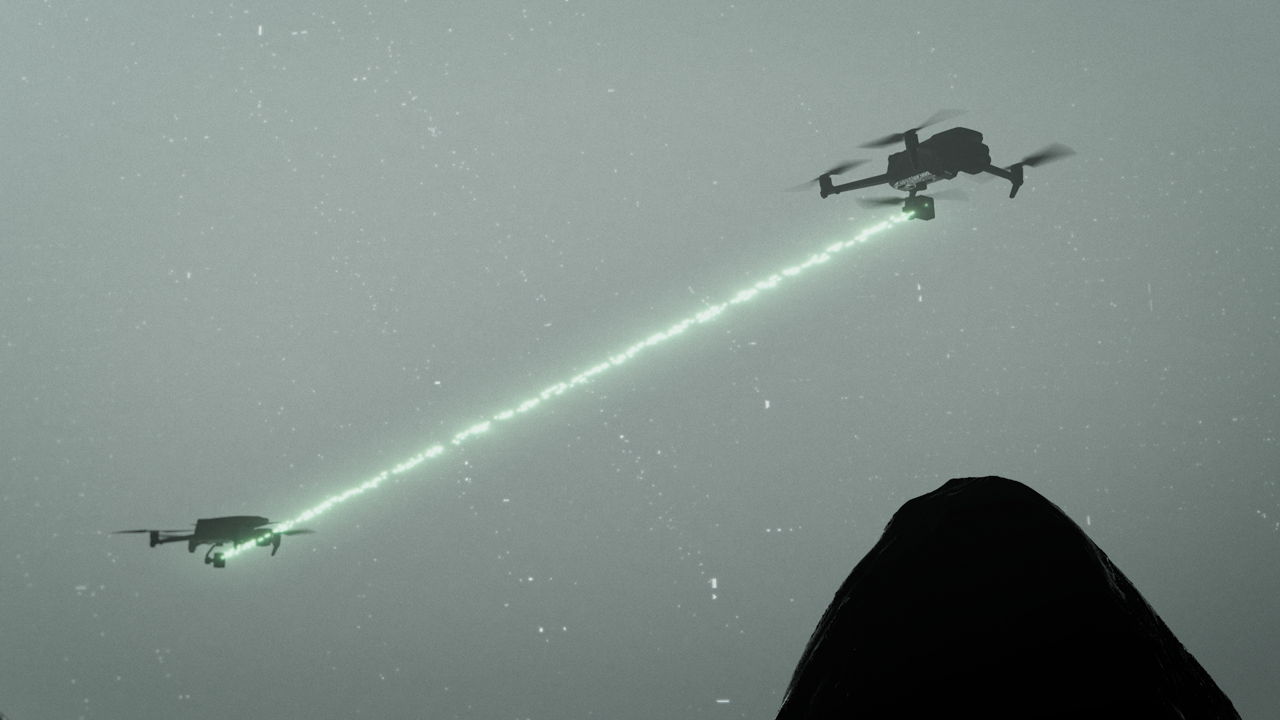
Terasi Secures €11 Million Seed Funding
Stockholm-based defence technology startup Terasi has successfully closed an €11 million seed funding round. The investment was co-led by the NATO Innovation Fund, signaling significant confidence in the company's mission to modernize battlefield communications. This infusion of capital is earmarked for accelerating Terasi's product development, expanding its engineering team, and scaling its go-to-market strategy.
Terasi is focused on building resilient and secure communication technologies specifically designed for the demanding environment of modern warfare. The company aims to address critical gaps in existing military communication systems, which often struggle with interoperability, security vulnerabilities, and adaptability to rapidly evolving battlefield conditions. Their approach leverages cutting-edge software and hardware to create a more unified and robust communication network for allied forces.
The strategic importance of such technologies cannot be overstated. In contemporary conflicts, effective and secure communication is a force multiplier. It enables faster decision-making, improved coordination between disparate units, and enhanced situational awareness for commanders on the ground. Terasi's work directly addresses these needs, positioning them as a key player in the future of defence technology for NATO member states.
The Need for Advanced Battlefield Communications
The current geopolitical landscape underscores the urgency for nations to upgrade their military capabilities. Traditional communication systems, often developed decades ago, face significant challenges when confronted with sophisticated electronic warfare, cyber threats, and the need for seamless integration across diverse platforms and services. Terasi's innovation lies in its ability to create systems that are not only secure but also highly adaptable and interoperable.
Think of it less like a traditional walkie-talkie system and more like a secure, encrypted mesh network that can dynamically reconfigure itself based on battlefield conditions. If one node goes down, the network automatically reroutes traffic, ensuring critical information continues to flow. This level of resilience is paramount when lives and strategic objectives are on the line. The company's focus on software-defined networking principles allows for rapid updates and adaptation to new threats and operational requirements, a stark contrast to the lengthy procurement cycles of legacy hardware.
The NATO Innovation Fund's involvement is particularly noteworthy. Established to foster technological advancement within the alliance, the fund actively seeks out startups that can provide disruptive solutions to defence challenges. Their co-leadership in this round suggests that Terasi's technology aligns directly with NATO's strategic priorities for modernization and interoperability among member nations. This backing provides not only financial resources but also a significant validation of Terasi's technological prowess and market potential within the defence sector.
Terasi's Technological Approach
While specific technical details remain proprietary, Terasi's communication technology is understood to integrate several key advancements. These include enhanced encryption protocols to safeguard data transmission, robust error correction to maintain signal integrity in noisy environments, and intelligent network management to optimize bandwidth and ensure low latency. The goal is to provide a unified communication experience that transcends the limitations of current systems.
The company's development philosophy appears to be rooted in agile methodologies, allowing them to iterate quickly and respond to feedback from potential end-users within military organizations. This is a departure from the traditional, often rigid, development cycles common in the defence industry. By adopting a more flexible approach, Terasi can bring solutions to market faster and ensure they are precisely tailored to meet the evolving demands of modern warfare.
What remains to be seen is how Terasi will navigate the complex procurement processes inherent in the defence sector. While this seed funding provides a critical runway, securing large-scale contracts with national militaries and NATO itself will require demonstrating not only technological superiority but also the ability to meet stringent regulatory, security, and logistical requirements. The company's success will hinge on its capacity to translate its innovative technology into deployable, reliable solutions for allied forces.
Market Implications and Future Outlook
This investment positions Terasi as a significant emerging player in the defence technology market, a sector experiencing increased attention and funding due to global security concerns. The company's focus on communication, a foundational element of military operations, gives it broad applicability across various branches and functions within armed forces.
For competitors, Terasi's successful funding round highlights the growing demand for agile, software-centric communication solutions. Established defence contractors will need to accelerate their own modernization efforts to keep pace with innovative startups like Terasi. The NATO Innovation Fund's active role also suggests a broader trend of increased venture capital flowing into defence tech, driven by both government imperatives and the recognition of lucrative market opportunities.
The €11 million seed round will be critical for Terasi to move from its current development phase towards initial deployments and broader market penetration. The coming years will be crucial in demonstrating the real-world effectiveness and scalability of their communication technology, solidifying their place as a vital contributor to the future of allied defence capabilities.