
Naira-Backed Stablecoin cNGN Goes Live on Celo
cNGN, a stablecoin pegged to the Nigerian Naira, has officially launched on the Celo network's on-chain foreign exchange (FX) market. This development is poised to address inefficiencies and costs associated with cross-border payments for individuals and businesses operating with Nigeria.
The introduction of cNGN on Celo aims to provide a more accessible and efficient alternative to traditional remittance channels, which often involve high fees, slow processing times, and currency conversion complexities. By leveraging blockchain technology, cNGN seeks to offer near-instantaneous settlement and reduced transaction costs for both sending and receiving funds in Naira.
Celo's on-chain FX market is designed to facilitate the stable exchange of various fiat currencies directly on the blockchain. The integration of cNGN into this ecosystem means that users can now seamlessly transact with Naira without needing to rely on intermediary banks or complex FX platforms. This could significantly impact freelancers, small businesses, and individuals receiving remittances from abroad.
Addressing Cross-Border Payment Challenges
Cross-border payments involving emerging markets, particularly Nigeria, have historically been a challenging landscape. High transaction fees charged by traditional financial institutions, coupled with volatile exchange rates and lengthy settlement periods, create significant friction. For instance, a freelancer in Europe sending payment to a contractor in Nigeria might face a 5-10% deduction in fees and wait several business days for the funds to clear.
cNGN's launch on Celo offers a direct solution. Users can acquire cNGN, hold it, and send it to beneficiaries in Nigeria, where it can be redeemed for Naira. The stablecoin's peg to the Naira is intended to maintain its value, shielding users from currency fluctuations during transit. This stability is crucial for financial planning and ensures that the received amount aligns with expectations.
The Celo network itself is designed with mobile-first accessibility and low transaction fees in mind, making it a suitable platform for emerging markets where smartphone penetration is high and access to traditional banking services may be limited. The on-chain FX market further enhances this by enabling direct peer-to-peer transactions without the need for centralized exchanges or complex custody solutions.
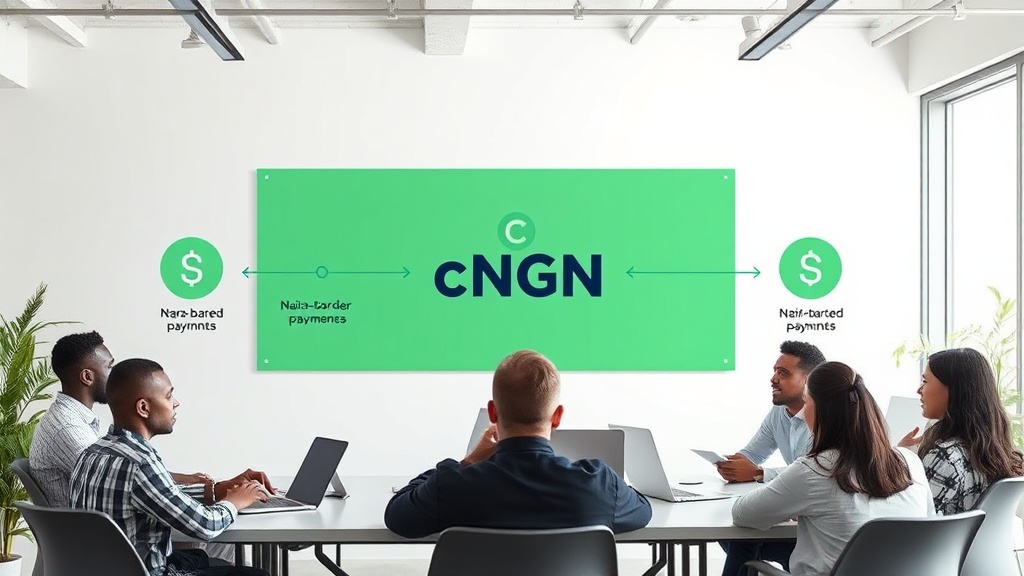
How cNGN and Celo Work Together
The cNGN stablecoin operates on Celo's proof-of-stake blockchain, which prioritizes scalability and sustainability. Transactions on Celo are processed rapidly and at a fraction of the cost of legacy systems. The on-chain FX market acts as a decentralized exchange where users can trade stablecoins representing different fiat currencies.
For users sending funds into Nigeria, the process would typically involve purchasing cNGN, potentially using other stablecoins or supported fiat currencies on the Celo platform. This cNGN can then be sent to a recipient's Celo wallet. The recipient can either hold the cNGN, use it for further transactions within the Celo ecosystem, or redeem it for Nigerian Naira through designated on-ramps or partner services.
The surprising detail here is not merely the launch of another stablecoin, but its specific integration into an on-chain FX market designed for cross-border utility. Many stablecoins exist, but few are directly facilitating on-chain FX for specific corridors like Nigeria-to-global or global-to-Nigeria. This positions cNGN as a tool for real-world use cases, moving beyond speculative trading.
Implications for the African FinTech Landscape
The advent of cNGN on Celo signals a growing trend of blockchain-based solutions tailored to the unique financial needs of African economies. For years, fintech innovators have grappled with the limitations of existing payment infrastructure. Stablecoins like cNGN, backed by local currencies and operating on accessible blockchain platforms, represent a significant leap forward.
This could foster greater financial inclusion by providing access to digital financial services for unbanked and underbanked populations. It also empowers businesses to operate more efficiently in the global marketplace, reducing the cost of doing business and potentially increasing profit margins. The increased velocity of money movement and reduced friction could stimulate economic activity both domestically and internationally.
Furthermore, the launch could encourage other blockchain projects and stablecoins to explore similar targeted solutions for other African currencies and payment corridors. The success of cNGN on Celo could serve as a blueprint for future innovations, driving further adoption of decentralized finance in the region.
What nobody has addressed yet is the long-term regulatory clarity for such Naira-backed stablecoins within Nigeria and other jurisdictions. While the technology offers efficiency, navigating existing financial regulations and potentially evolving digital currency laws will be critical for sustained growth and widespread adoption.