
Trademark Dispute Stalls Musk's Semiconductor Ambitions
Elon Musk's ambitious foray into semiconductor manufacturing, operating under the name Terafab, has encountered an unexpected and significant hurdle before even producing a single chip. The venture is facing a trademark dispute with Tera-Print, a U.S.-based company that has been utilizing the 'Tera-Fab' brand for its tabletop lithography equipment for approximately a decade. This legal challenge has resulted in a cease-and-desist order and a subsequent trademark lawsuit, casting a shadow over Musk's plans to establish a massive chip fabrication facility.
Tera-Print, the plaintiff in the lawsuit, has a history of selling lithography tools under the Tera-Fab name. The company argues that Musk's Terafab is infringing on its established brand, which has been in use for over ten years. The core of the dispute lies in the perceived confusion and potential dilution of Tera-Print's brand identity due to the high-profile association with Elon Musk and his new venture. While the scale of Musk's Terafab project dwarfs Tera-Print's operations, trademark law often prioritizes established use and distinctiveness over sheer market size.
The Plaintiff's Case: Established Brand, Long-Term Use
Tera-Print has been actively marketing and selling its lithography equipment, which is used for creating small-scale, precise patterns on various materials, under the Tera-Fab moniker for more than a decade. This long-term, consistent use has allowed the company to build brand recognition within its niche market. The company's legal team asserts that Musk's adoption of a nearly identical name for a venture in the closely related semiconductor manufacturing industry is likely to cause confusion among consumers and industry professionals. They are seeking to prevent Musk's Terafab from using the name and are likely pursuing damages related to brand dilution and potential lost business opportunities.
The nature of Tera-Print's products, while far less complex and on a vastly different scale than the advanced semiconductor fabrication facilities Musk envisions, still operates within the broader ecosystem of manufacturing and precision engineering. This overlap in terminology and industry segment is central to Tera-Print's claim. The company's argument is not necessarily that Musk's company is a direct competitor in terms of product, but that the shared name creates an unfair association and potentially misleads customers who might otherwise seek out Tera-Print's specialized lithography solutions.
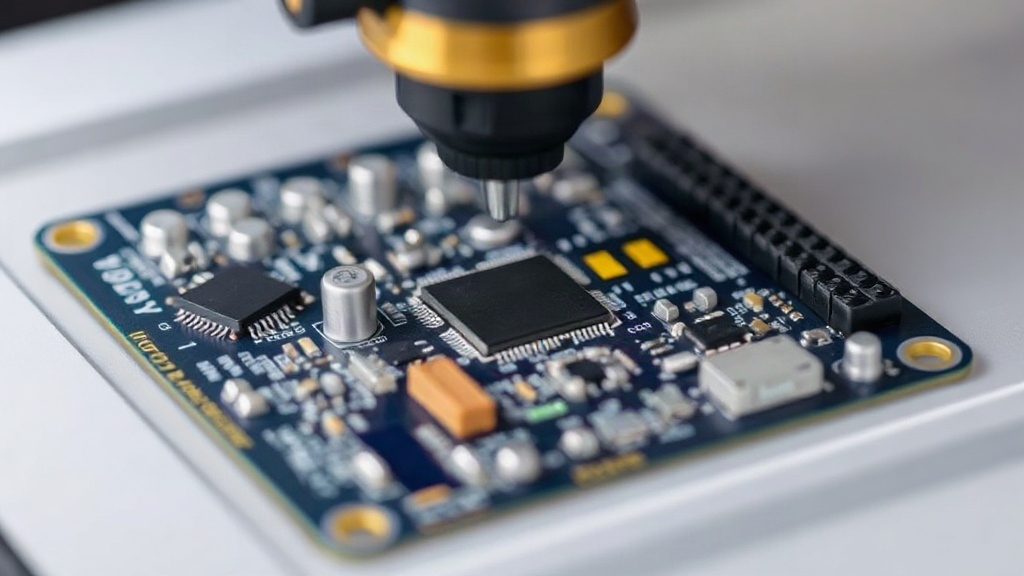
Elon Musk's Terafab: A Vision for Advanced Manufacturing
Elon Musk's Terafab project, announced with considerable fanfare, aims to establish a cutting-edge semiconductor fabrication plant. The specifics of the plant's output and technological focus have been kept somewhat under wraps, but the ambition is clear: to bolster domestic chip production capabilities and potentially drive innovation in chip design and manufacturing processes. Such a venture requires immense capital investment, vast tracts of land, and a highly specialized workforce, positioning it as a major undertaking with significant implications for the global semiconductor supply chain.
The chosen name, Terafab, is evocative of the scale and technological ambition associated with such a project. 'Tera' suggests a massive scale, while 'fab' is industry shorthand for fabrication plant. This name choice, while fitting for Musk's vision, now appears to have overlooked existing intellectual property rights. The legal challenge highlights a common pitfall in high-stakes business ventures: the importance of thorough due diligence regarding intellectual property, especially in established industries with specific naming conventions.
The Legal Ramifications and Potential Outcomes
The cease-and-desist order served to Musk's Terafab is the first formal step in this legal battle. It demands that the company immediately stop using the 'Tera-Fab' name and any variations thereof. Failure to comply typically leads to a lawsuit, which has now materialized. The trademark lawsuit filed by Tera-Print will seek a court injunction to permanently bar Musk's company from using the name. Additionally, Tera-Print may seek monetary damages, though quantifying these can be complex, especially if Musk's Terafab has not yet generated revenue or significant market presence under the disputed name.
For Musk's Terafab, the immediate consequence is a delay. Reworking branding, legal documents, and potentially even physical signage or digital assets can be a time-consuming and expensive process. The project's timeline, already likely aggressive given Musk's typical project management style, could be significantly impacted. The outcome of the lawsuit will depend on several factors, including the strength of Tera-Print's claim to the 'Tera-Fab' trademark, the extent of any market confusion, and whether Musk's venture can argue that its use of the name is distinct enough to avoid infringement. It's possible the parties could reach a settlement, perhaps involving a licensing agreement or a name change for Musk's project.
Broader Implications for Tech Ventures and Branding
This dispute serves as a stark reminder for all entrepreneurs, particularly those embarking on large-scale, high-profile projects. Thorough trademark searches and legal counsel are not mere formalities; they are critical components of risk management. Overlooking established brands, even those of smaller companies, can lead to costly delays and legal battles that divert resources and attention from the core business objectives.
The case also touches upon the challenges faced by smaller businesses when established players enter their domain. While Tera-Print may lack the financial clout of a Musk-backed enterprise, its legal standing is based on established rights. This situation underscores the importance of proactive intellectual property protection for all companies, regardless of size. For founders and investors, it highlights the need to ensure that brand names are not only compelling but also legally sound, preventing future roadblocks that could derail ambitious technological advancements.