
MSI Spatium M461 2TB: A New Contender in Affordable PCIe 4.0 Storage
MSI has entered the competitive arena of high-speed storage with a compelling offer: the Spatium M461 2TB NVMe SSD. Currently priced at $299, this drive positions itself as one of the most budget-friendly PCIe 4.0 options available. At approximately 10 cents per gigabyte, it presents a significant value proposition for users looking to upgrade their internal storage without breaking the bank. This move by MSI signals a growing trend towards making advanced storage technologies more accessible to a broader consumer base, moving beyond the enthusiast-only market.
The Spatium M461 2TB is designed to capitalize on the performance benefits of the PCIe 4.0 interface. While PCIe 5.0 drives are beginning to emerge, PCIe 4.0 remains the current standard for most high-performance gaming and workstation systems. This means that for a vast majority of users, a PCIe 4.0 SSD like the M461 offers a substantial leap in speed over older PCIe 3.0 drives and even many SATA SSDs. The drive promises sequential read speeds of up to 5,000 MB/s and sequential write speeds of up to 4,200 MB/s, according to MSI's specifications. These figures are competitive within the mid-range PCIe 4.0 segment, offering a noticeable improvement for tasks such as game loading times, large file transfers, and application startup.
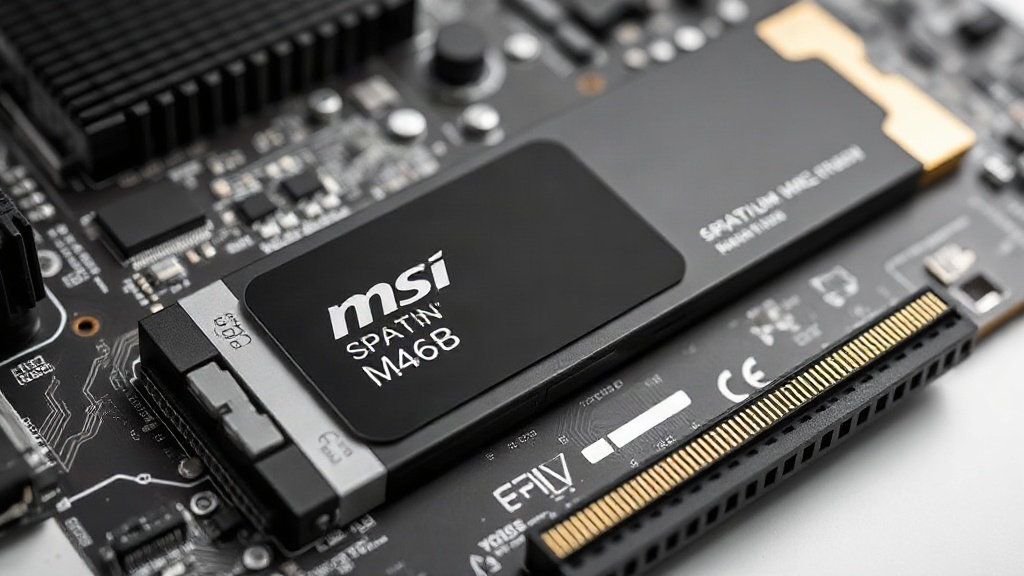
Understanding the Value Proposition: Price Per Gigabyte
The headline figure of $299 for 2TB is significant, but the cost per gigabyte provides a clearer picture of its market positioning. At just $0.10 per GB, the Spatium M461 2TB is among the most affordable PCIe 4.0 SSDs available. This pricing strategy is crucial in a market where performance gains from newer technologies can often come with a steep premium. MSI's approach here is to offer a solid, reliable PCIe 4.0 experience at a price point that makes it an attractive upgrade for a wide range of users, from gamers to content creators and general power users. This aggressive pricing could force competitors to re-evaluate their own offerings in the mid-range PCIe 4.0 SSD market.
Performance Expectations for the Spatium M461
While the M461 is positioned as a value-oriented drive, its performance specifications are not to be underestimated. The advertised sequential read speeds of 5,000 MB/s are substantial. For gamers, this translates to quicker load times in graphically intensive titles, reducing the downtime between sessions. For professionals working with large datasets or video editing, these speeds can significantly streamline workflows, allowing for faster import, export, and rendering operations. The sequential write speed of 4,200 MB/s is also robust, ensuring that saving large files or project assets is handled efficiently.
Random read and write performance are equally important for everyday responsiveness. While MSI has not detailed specific IOPS (Input/Output Operations Per Second) figures for the M461 in its initial announcements, drives in this performance tier typically offer strong random performance that benefits operating system responsiveness, application multitasking, and general system snappiness. Users upgrading from older SATA SSDs or even PCIe 3.0 NVMe drives will likely perceive a tangible improvement in how quickly their system boots, applications launch, and files are accessed.
Who is the MSI Spatium M461 2TB For?
This SSD is an excellent choice for several user segments. Gamers seeking to reduce load times and ensure smooth asset streaming in modern titles will find the PCIe 4.0 speeds a worthwhile upgrade. Content creators, particularly those working with 4K video or complex visual effects, can benefit from the faster transfer rates and quicker project loading. Additionally, users who frequently deal with large files, such as software developers compiling code or data scientists working with substantial datasets, will appreciate the enhanced throughput. Even general users looking to give their aging PC a significant speed boost without investing in a top-tier, premium-priced drive will find the M461 a compelling option.
The availability of a 2TB capacity at this price point is also noteworthy. 2TB offers a generous amount of space for operating systems, a substantial game library, and a considerable collection of media or work files. For many users, a 1TB drive can fill up quickly, necessitating careful file management or additional storage solutions. The 2TB Spatium M461 provides ample room, reducing the need for frequent data juggling.
Technical Considerations and Compatibility
The Spatium M461 utilizes the NVMe 1.4 protocol and connects via the M.2 2280 form factor, making it compatible with most modern motherboards and laptops that support PCIe 4.0 M.2 slots. For users with older systems that only support PCIe 3.0, the drive will still function, but its performance will be limited to PCIe 3.0 speeds (typically around 3,500 MB/s sequential reads). Therefore, to fully leverage the M461's capabilities, a motherboard with a PCIe 4.0 M.2 slot is recommended.
MSI has not yet detailed the specific NAND flash controller and memory chips used in the M461, which can sometimes influence long-term endurance and sustained performance. However, given MSI's presence in the PC hardware market, it is reasonable to expect a focus on reliability and balanced performance for this segment. The drive is typically rated for a certain Terabytes Written (TBW) endurance, which indicates its expected lifespan under heavy usage. For most typical consumer workloads, this endurance rating is usually more than sufficient.
The Broader Market Impact
MSI's aggressive pricing for the Spatium M461 2TB SSD is more than just a good deal for consumers; it's a signal of the maturing PCIe 4.0 market. As manufacturing processes mature and component costs decrease, we are seeing a democratization of high-speed storage. This trend benefits everyone, pushing the performance ceiling higher while simultaneously lowering the entry cost for significant upgrades. It challenges the notion that cutting-edge performance must always come with a prohibitive price tag. Competitors offering similar capacity PCIe 4.0 drives may need to adjust their pricing or enhance their feature sets to remain competitive. This price war at the mid-tier level is a win for consumers, offering more performance for their money and accelerating the adoption of faster storage technologies across the board.
The push for more affordable high-capacity SSDs also has implications for system builders and manufacturers. It allows them to equip new systems with faster, larger storage without significantly increasing the bill of materials, potentially leading to better-specced pre-built PCs and laptops hitting the market at more attractive price points. This could further drive adoption of PCIe 4.0, setting the stage for even faster technologies like PCIe 5.0 to become more mainstream as their own costs decrease over time.