The Incident: A Festival Interrupted
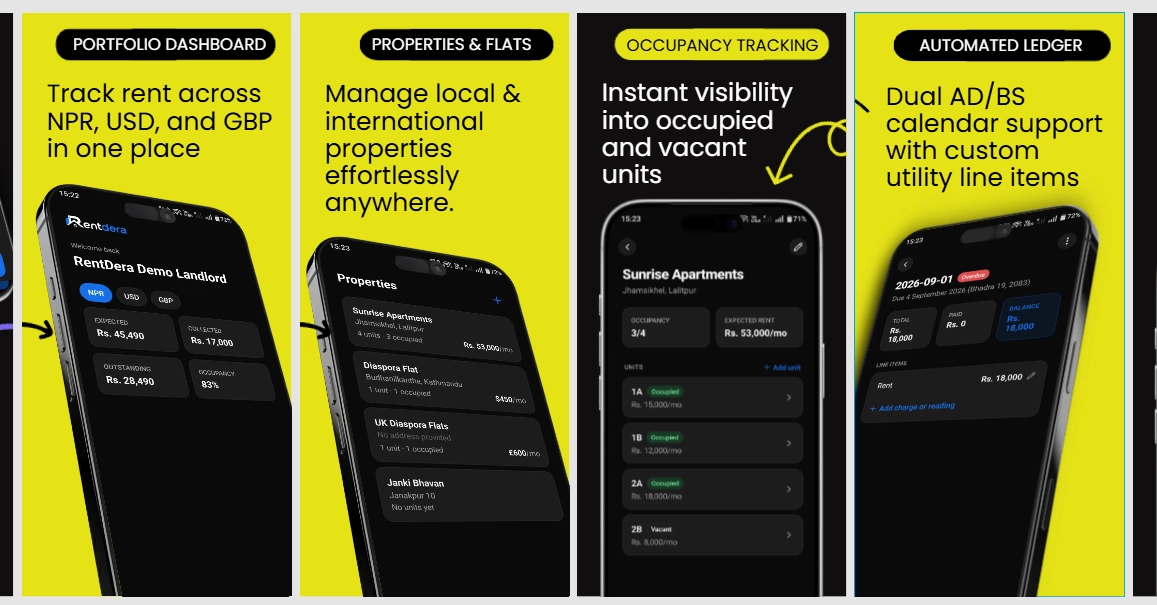
Sanjay Sah, founder of RentDera, a rent-management app for landlords, was participating in the RevenueCat Shipaton 2026. He had just released version 1.1.0 of his Expo and React Native application, a significant update featuring property editing, custom charges, profile pictures, password resets, email verification, Google sign-in, multi-currency support, and a Nepali language option. The release, published at 5 PM, was followed by Sah leaving to celebrate the Janmashtami festival. His plans for a peaceful evening were abruptly cut short when the app crashed in production, coinciding with a loss of his Play Store testing streak.
Root Cause: A Subtle Configuration Error
The crash was traced back to a single, seemingly innocuous missing environment variable. In Expo and React Native applications, environment variables are crucial for managing configuration settings that differ between development, staging, and production builds. These can include API keys, database credentials, feature flags, and other sensitive or environment-specific parameters. When an application attempts to access an environment variable that has not been defined or correctly injected into the runtime environment, it can lead to unexpected behavior, including crashes.
In RentDera's case, the specific variable was related to the Google Sign-In functionality. While the code itself was likely correct and had been tested in development, the deployment process to production failed to include this essential configuration. This oversight meant that when users attempted to sign in using Google, the app encountered an unhandled exception, triggering the crash. The timing was particularly unfortunate, as the release coincided with a festive period, and the crash also impacted Sah's participation in the Shipaton, specifically affecting his Play Store testing streak – a metric likely tied to consistent app availability and user engagement.
Debugging and Resolution
The debugging process likely involved checking application logs, crash reporting tools (such as Sentry, Crashlytics, or Expo's own logging), and comparing the production environment's configuration with the development setup. The key was identifying which functionality failed and then pinpointing the missing configuration associated with it. Once the missing environment variable was identified, the resolution involved updating the deployment pipeline or configuration management system to ensure the variable was correctly set for the production build.
This type of issue highlights a common pitfall in mobile application development, particularly with frameworks like Expo that abstract away some of the native build complexities. While Expo simplifies development, understanding how environment variables are managed and injected during the build and deployment process is still critical. For React Native projects, this often involves using libraries like react-native-config or managing variables through the native build settings (Gradle for Android, Xcode for iOS) or CI/CD pipelines.
Broader Implications for Developers
This incident serves as a stark reminder for developers working with React Native and Expo, especially those engaging in public development challenges like Shipaton. The consequences of such errors extend beyond mere downtime. For public-facing development efforts, a production crash can damage credibility, interrupt momentum, and, as in this case, lead to the loss of valuable streaks or metrics that showcase consistency and reliability.
The lesson is clear: robust configuration management is as vital as writing clean code. Developers should implement comprehensive checks for environment variables, perhaps even incorporating automated tests that verify the presence and validity of critical configuration settings before deployment. Tools like CI/CD pipelines should be configured to catch these errors early. For participants in public development challenges, maintaining a stable production environment is paramount to demonstrating progress and commitment. The temptation to celebrate or relax after a release must be balanced with the diligence required to ensure that all necessary configurations are in place, especially for features like third-party integrations (e.g., Sign in with Google) that rely on external credentials and setup.
Sah's experience, shared as part of his #BuildInPublic journey for RentDera, offers a valuable case study. It underscores the reality of software development – that even small oversights can have significant consequences, and that transparency about these failures is often more instructive than showcasing only successes. The immediate challenge was to get RentDera stable again; the longer-term takeaway is the reinforced importance of meticulous configuration management in continuous deployment workflows.