
Microsoft Explores Ad Integration in Gaming
Microsoft has patented a system designed to inject advertisements into video games during moments of downtime. The patent, filed by Microsoft Corporation, outlines a method for pausing gameplay, such as during loading screens, menu navigation, or other periods where player interaction is not required, and displaying advertisements. This approach aims to monetize gaming sessions by leveraging these naturally occurring lulls in activity.
The system leverages the game engine itself to identify opportune moments for ad insertion. This means the technology is not a generic overlay but is integrated into the game's runtime. Machine learning algorithms are employed to determine the most effective times to present ads, potentially analyzing player behavior and game state to minimize disruption and maximize ad engagement. The ultimate goal, as described in the patent, is to offer players incentives, such as ad-free playtime credits, in exchange for viewing these advertisements.
This move signals a potential shift in Microsoft's strategy for its gaming platforms, which currently include Xbox consoles, PC gaming through the Microsoft Store and Game Pass, and cloud gaming services. While Microsoft has not confirmed any plans to implement this patent, its existence suggests the company is actively exploring new revenue streams within the gaming ecosystem. The gaming industry has seen various attempts at integrating advertising, ranging from in-game billboards to sponsored content, but this patent introduces a more dynamic and potentially intrusive method by actively pausing gameplay.
How the System Works
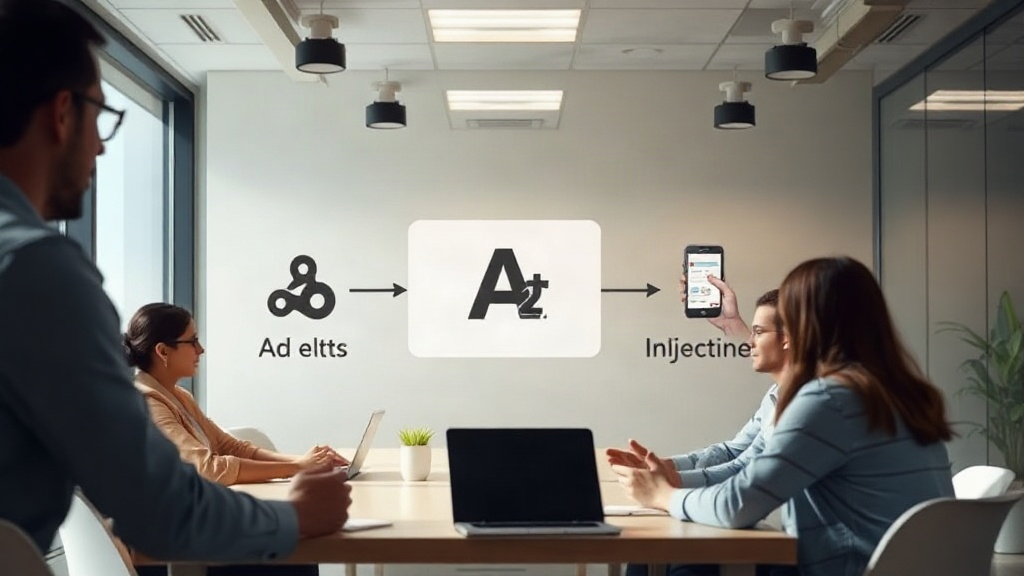
The core of the patent lies in its intelligent identification of 'downtime' within a game. This downtime can manifest in several ways: loading screens that occur between levels or areas, waiting periods for online matches to start, in-game menus, or even brief pauses initiated by the player. Instead of simply displaying a static loading bar or a generic game tip, the system would trigger the display of an advertisement. This advertisement could be a video commercial, a static image, or an interactive ad unit.
The sophistication comes from the use of machine learning. The patent suggests that the system can learn over time which types of ads are most effective for different player demographics or game genres, and crucially, when to serve them. For instance, a particularly long loading screen might be an ideal candidate for a longer video ad, while a brief menu pause could be suited for a shorter, less disruptive format. The system would also need to integrate seamlessly with the game's existing assets and engine to avoid performance degradation or jarring transitions that could pull players out of the experience negatively.
The proposed incentive mechanism is a key component. Players who opt-in to view these advertisements would earn 'ad-free playtime credits.' This implies a tiered system where engagement with ads directly translates into uninterrupted gameplay. This gamified approach to advertising monetization could appeal to players who are sensitive to interruptions but are also looking for ways to optimize their gaming time or access premium features. It frames ad consumption not as an obligation, but as a strategic choice that yields tangible rewards within the gaming environment.
Potential Implications and Player Reception
The implications of this patent are far-reaching. For Microsoft, it represents a novel way to generate revenue from its vast gaming portfolio, potentially increasing profitability without necessarily raising subscription prices or direct game costs. It could be particularly attractive for free-to-play titles or games offered through subscription services like Game Pass, where traditional monetization models might be different. The ability to dynamically serve ads based on context could also offer advertisers more targeted and effective placements than traditional methods.
However, the reception from players is likely to be mixed. While the idea of earning ad-free time might be appealing, the act of pausing gameplay, even during downtimes, could be perceived as intrusive. Many gamers value immersion and seamless experiences. Unexpected ad breaks, even if short, could break this flow and lead to frustration. The success of such a system would hinge on its implementation: how unobtrusive the ads are, how relevant they are to the player, and how generous the 'ad-free playtime credits' truly are. If the system is perceived as overly aggressive or disruptive, it could lead to significant backlash, similar to controversies surrounding aggressive monetization in other forms of media.
The surprising detail here is not the concept of in-game advertising, which has existed for years, but the explicit intention to *freeze* gameplay to serve these ads. This is a more active intervention than simply placing ads in the environment. It raises questions about how 'downtime' is defined and whether players will have granular control over when and how these ads are served. What nobody has addressed yet is the potential impact on game design itself; will developers start intentionally building in longer 'downtime' moments to accommodate this ad system, potentially at the expense of player experience?
Broader Industry Context
Microsoft's patent places it at the forefront of exploring new advertising frontiers in the digital entertainment space. As traditional advertising models face challenges and digital platforms seek diversified revenue, innovative solutions like this are inevitable. The gaming industry, with its highly engaged audience and sophisticated technological infrastructure, is a prime target for such experiments. This patent could set a precedent for how other game developers and platform holders approach ad monetization in the future, potentially leading to a more pervasive advertising presence in interactive entertainment.
The success of this patent, if implemented, will depend on balancing monetization with player experience. It's a tightrope walk that many digital platforms are currently navigating. The gaming industry, in particular, has a passionate community that is quick to voice its opinions on monetization strategies. Microsoft's approach, if it moves beyond the patent stage, will be closely watched by competitors, advertisers, and players alike.