
Meteor 3.5: A Comprehensive Update
Meteor 3.5 marks a significant release for the JavaScript full-stack framework, focusing on a substantial overhaul of its core reactive data layer. This update, however, extends its reach far beyond just data reactivity, touching everything from the database driver to the underlying Node.js runtime and the authentication middleware. The release aims to provide a more robust, performant, and modern development experience for Meteor applications.
The development team has been working diligently to refine various components of the Meteor ecosystem. This release isn't merely incremental; it represents a concerted effort to modernize and stabilize critical parts of the framework, ensuring Meteor remains a competitive choice for building real-time web applications.
Deep Dive into Key Enhancements
Reactive Data Layer Improvements
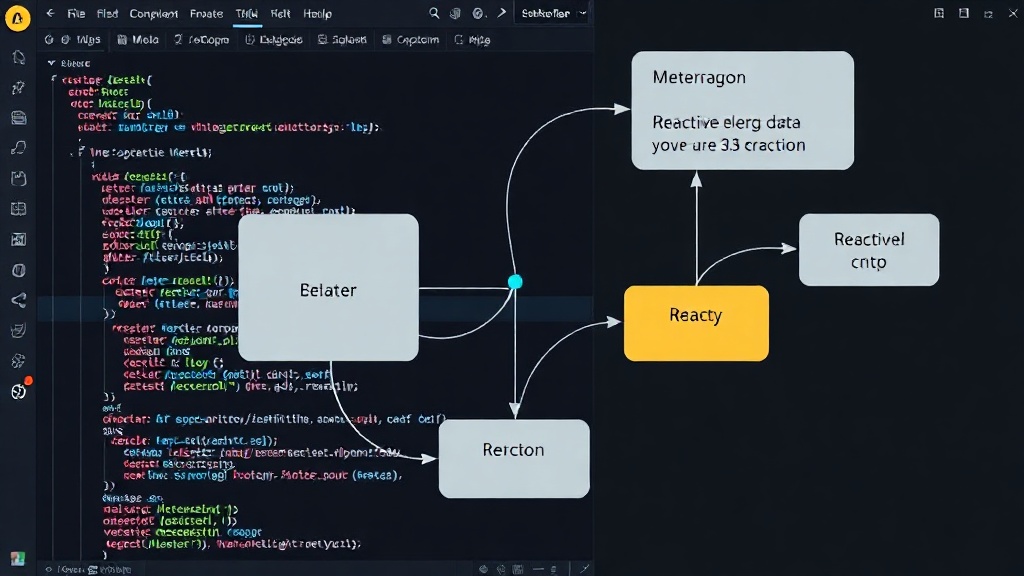
The centerpiece of Meteor 3.5 is the enhanced reactive data layer. This component is crucial for applications that require real-time updates to be pushed to clients as data changes in the database. The improvements in this release focus on:
- Performance Optimizations: Significant tuning has been applied to reduce latency and improve the efficiency of data propagation. This means faster updates for users and less strain on server resources.
- Scalability Enhancements: The architecture has been refined to better handle a larger number of concurrent connections and a higher volume of data changes, making Meteor more suitable for enterprise-level applications.
- Predictability and Debugging: Efforts have been made to make the reactive behavior more predictable and easier to debug, a perennial challenge in real-time systems. This includes better error handling and more informative logging.
Database Driver Updates
The database drivers, the conduits through which Meteor interacts with databases like MongoDB, have also received substantial attention. Meteor 3.5 includes:
- Modernized Driver Interfaces: The drivers have been updated to align with modern JavaScript practices and to leverage newer features of the underlying database systems.
- Improved Connection Management: Enhancements to connection pooling and error recovery mechanisms ensure greater stability and resilience when interacting with the database.
- Performance Boosts: Query execution and data fetching have been optimized, leading to quicker data retrieval and more responsive application performance.
Auth Middleware Refinements
Authentication is a critical aspect of any web application, and Meteor 3.5 brings improvements to its auth middleware. These changes aim to:
- Enhanced Security: The middleware has been reviewed and updated to incorporate the latest security best practices, mitigating potential vulnerabilities.
- Flexibility and Customization: Developers now have more granular control over the authentication process, allowing for easier integration with custom authentication providers or complex security policies.
- Streamlined User Experience: Efforts have been made to simplify common authentication flows, making it easier for developers to implement secure and user-friendly login and registration systems.
Node.js Runtime Integration
Underneath the Meteor framework lies the Node.js runtime. Meteor 3.5 ensures better compatibility and performance by:
- Updated Node.js Version Support: The framework now officially supports newer, LTS versions of Node.js, allowing developers to take advantage of performance improvements and new features in the latest Node.js releases.
- Optimized Module Loading: Improvements have been made to how Meteor loads and manages Node.js modules, potentially reducing startup times and memory usage.
- Server-Side Performance Tuning: General optimizations to the server-side execution environment contribute to a snappier and more efficient application backend.
Broader Ecosystem Impact
The release of Meteor 3.5 is more than just a collection of features; it's a statement about the ongoing commitment to the Meteor platform. By touching core components like the reactive data layer and the underlying runtime, this update positions Meteor to better handle the demands of modern web development. Developers can expect improved stability, enhanced performance, and a more streamlined development process.
This release should encourage developers to revisit existing Meteor projects and consider upgrading to leverage the new capabilities. For new projects, Meteor 3.5 provides a more compelling and robust foundation. The comprehensive nature of this update suggests that the Meteor core team is focused on long-term viability and addressing the evolving needs of its developer community.
What remains to be seen is how quickly the community adopts these changes and what new patterns or applications emerge from the enhanced capabilities of the reactive data layer. The focus on core infrastructure improvements sets the stage for future innovation within the Meteor ecosystem.