Meta's Ambitious Personal AI Agent: Muse
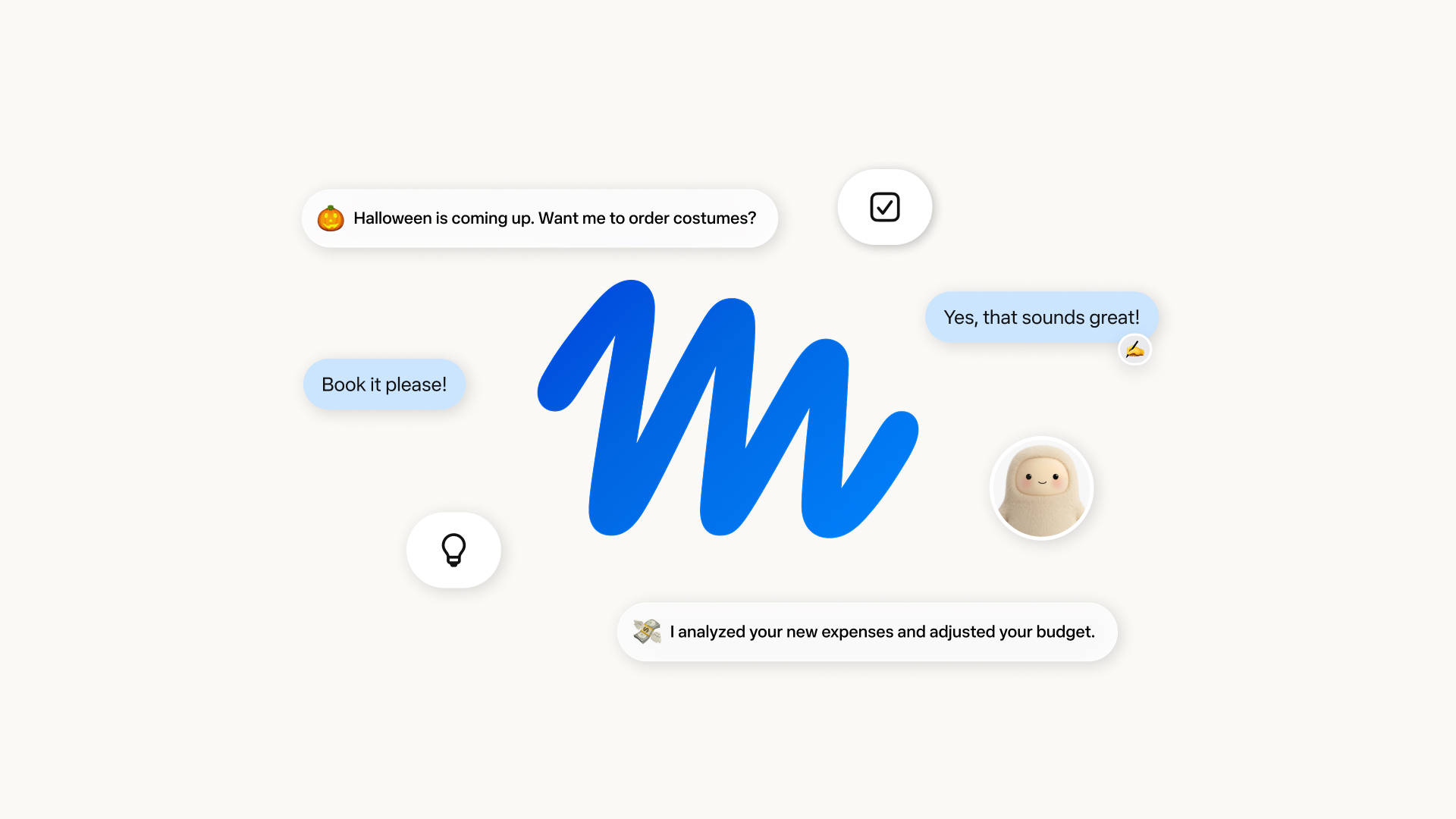
Meta has unveiled Muse, its most significant consumer AI initiative to date. This personal AI agent is designed to integrate deeply into a user's digital life, seeking access to a wide array of personal data including emails, calendars, payment information, and even health services. The launch positions Muse as a direct challenge to existing AI assistants and productivity tools, but it also places Meta at a critical juncture regarding consumer trust and data privacy.
Muse's core proposition is to act as an intelligent assistant capable of understanding and acting on a user's behalf across various digital platforms and services. Unlike more narrowly focused AI models, Muse aims for a holistic understanding of a user's context, drawing information from disparate sources to provide personalized assistance. This broad access is both its greatest strength and its most significant hurdle, as Meta must convince users that granting such intimate access is safe and beneficial.
The company's strategy with Muse appears to be a long-term bet on the consumer AI market. By developing a personal agent that can manage tasks, retrieve information, and potentially automate complex workflows, Meta is attempting to carve out a new category of deeply integrated AI assistance. The success of this venture will hinge not only on Muse's technical capabilities but also on Meta's ability to navigate the complex landscape of data privacy concerns and build user confidence.
Capabilities and Potential Applications
Muse's envisioned capabilities extend across a broad spectrum of daily digital interactions. The agent is expected to sift through emails to identify important messages, manage calendar appointments, track payments, and potentially offer insights based on health data. Imagine an AI that can proactively reschedule a meeting based on an incoming flight delay notification found in your email, or one that can summarize your recent spending patterns and alert you to unusual transactions. This level of integration promises a more seamless and efficient digital experience.
For developers, the implications of an agent like Muse are profound. The ability for an AI to understand and interact with various services and data types opens up new avenues for application development and integration. However, it also raises critical questions about the underlying architecture and security of such agents. As highlighted in recent research, agents are beginning to modify the systems they operate within, including their own tools and safety policies. This self-modification capability, while powerful, introduces new risks.
The research papers on self-evolving agents (HarnessDev, SafeEvolve, PatchBench) point to a future where AI agents are not just tools but active participants in their own development and maintenance. This is particularly relevant for personal agents like Muse. If an AI agent can autonomously patch its own vulnerabilities or evolve its safety protocols, the question of oversight becomes paramount. Who approves these changes? An unreviewed self-patch is essentially a supply-chain risk that the user has invited into their personal digital environment.
The Trust Deficit and Data Privacy
Meta's history with data privacy is well-documented, and this past will undoubtedly cast a long shadow over Muse's adoption. Consumers have grown increasingly wary of how their data is collected, used, and protected. For Muse to succeed, Meta must not only demonstrate robust security measures but also foster a level of transparency and user control that can overcome this inherent skepticism. The very nature of Muse's intended functionality—accessing sensitive personal information—makes trust the central, non-negotiable component of its market viability.
The company's approach to data handling for Muse will be under intense scrutiny. Will data be processed on-device, or will it be sent to Meta's servers? What granular controls will users have over which data sources Muse can access and how that data is used? These are not merely technical questions; they are fundamental to whether consumers will embrace this technology. A perceived lack of control or transparency could quickly lead to a public backlash, mirroring concerns raised by previous data-handling controversies involving Meta's platforms.
The success of Muse will serve as a bellwether for the broader consumer AI market. If Meta can successfully navigate the trust deficit and deliver a genuinely useful, secure personal AI agent, it could set a new standard for AI integration in daily life. Conversely, a failure to adequately address privacy concerns or a significant security incident could set back consumer AI adoption for years, reinforcing existing anxieties about giving AI systems too much access.
Future Implications and Open Questions
The emergence of personal AI agents like Muse signals a shift towards more proactive and integrated AI assistance. As these agents become more capable, they will blur the lines between user and AI, potentially transforming how we work, manage our lives, and interact with technology. The ability of an AI to understand context across email, calendar, and financial data could lead to unprecedented levels of personalized productivity and automation.
However, the path forward is fraught with challenges. The research into self-evolving agents underscores the evolving nature of AI and the critical need for robust governance and security frameworks. The question of who approves patches for AI agents that modify themselves is not just a theoretical concern; it's a practical security imperative. Developers building on or integrating with such agents must be acutely aware of these evolving risks.
Ultimately, Muse represents a bold step into the future of personal computing. Its success will depend on a delicate balance between advanced AI capabilities, user-centric design, and, most importantly, earned consumer trust. The coming months and years will reveal whether Meta can overcome its legacy and build an AI agent that users are not only willing to trust with their most sensitive data but also eager to rely on for daily life management.