Meta's Second Act in VR Headsets
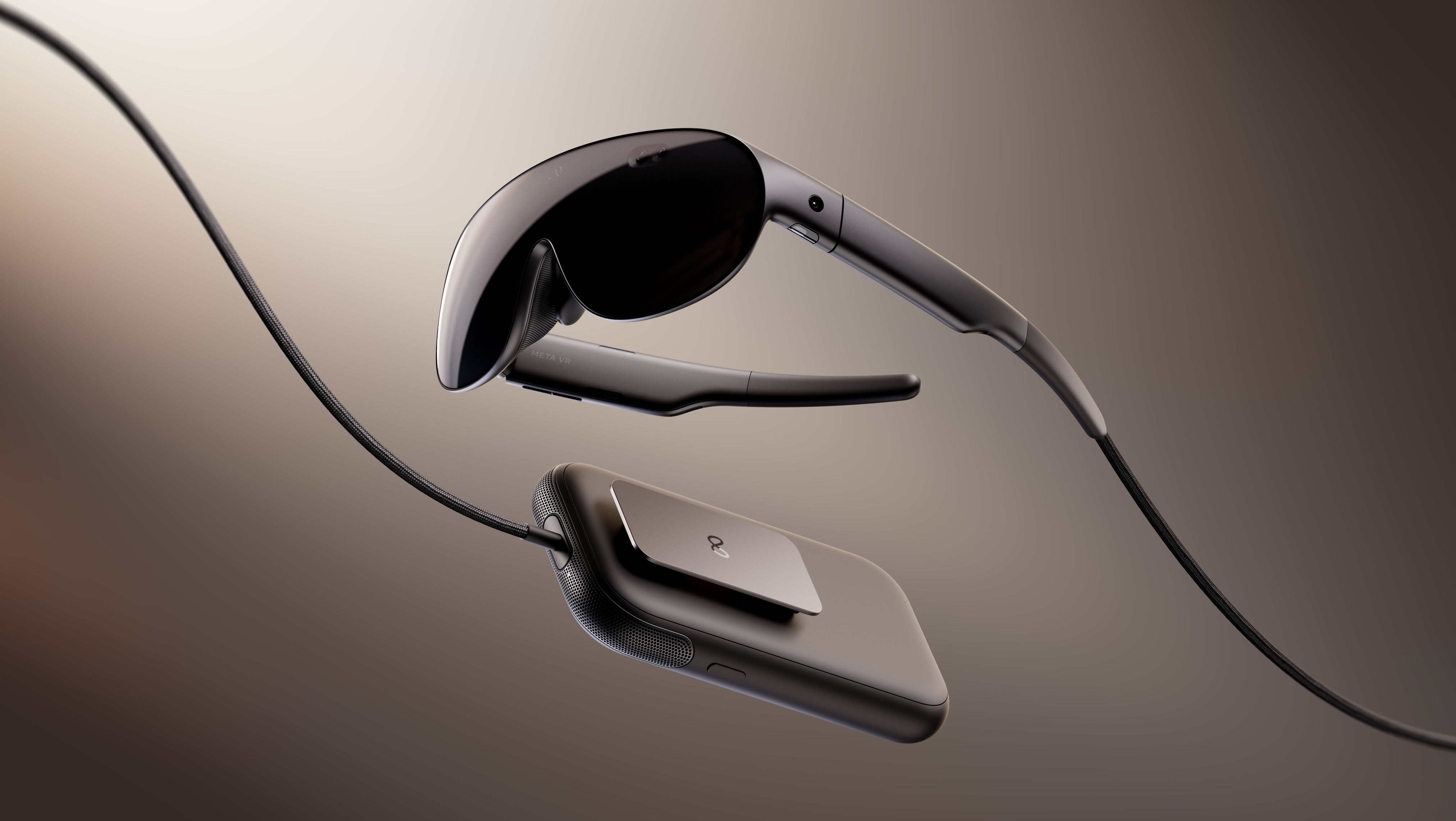
Meta is making another play in the virtual reality headset market with the announcement of its latest VR glasses. This new offering aims to address previous criticisms by focusing on a more lightweight and comfortable form factor, a critical factor for extended user engagement. The company’s renewed push into VR hardware signals a continued belief in the metaverse, even as the broader market navigates evolving user expectations and technological advancements.
The previous iterations of VR headsets from Meta, and indeed from other players in the industry, often faced challenges related to bulkiness and user comfort. This new iteration appears to be a direct response, with Meta emphasizing a sleeker design that should make wearing the device for longer periods more feasible. This is not just about improving the user experience; it's about making VR more accessible and less of a niche gadget, potentially broadening its appeal beyond hardcore gamers and early adopters.
Enhanced Entertainment and the IMAX Partnership
A significant highlight of Meta's new VR glasses is the strategic partnership with IMAX. This collaboration is designed to elevate the entertainment experience within VR, bringing the immersive quality associated with IMAX cinemas to a personal, virtual environment. The goal is to offer users high-fidelity viewing experiences for movies, documentaries, and potentially other forms of visual content that benefit from a large, immersive display and premium audio.
This move suggests Meta is not solely focused on gaming or social VR, but is actively seeking to capture a share of the digital entertainment market. By integrating with a brand synonymous with cinematic excellence, Meta is signaling its ambition to become a go-to platform for premium virtual entertainment. The technical implications of delivering IMAX-quality content in VR are substantial, requiring robust streaming capabilities, high-resolution displays, and sophisticated audio rendering to truly replicate the cinema experience. The partnership likely involves content licensing and co-development of viewing experiences tailored for the VR platform.
Addressing Form Factor and User Experience
The emphasis on a lightweight form factor is a critical differentiator. Early VR headsets were often criticized for their weight, which could lead to neck strain and general discomfort during extended use. This often limited sessions to 30-60 minutes for many users. Meta's design philosophy for these new glasses appears to prioritize ergonomics, suggesting advanced materials and a more balanced weight distribution. This could be achieved through a combination of lighter plastics, more compact internal components, and a redesigned head strap system.
Beyond weight, other user experience factors such as field of view, resolution, and ease of setup are paramount. While specific technical specifications are not yet fully detailed, the focus on entertainment, particularly with the IMAX partnership, implies a high standard for visual clarity and immersion. This means higher pixel density displays and potentially wider fields of view than previous generations. The success of these glasses will hinge on Meta's ability to deliver a seamless, intuitive user experience that removes technical friction and allows users to focus on the content.
Market Position and Future Implications
Meta's persistent investment in VR hardware, despite market fluctuations and public skepticism about the metaverse's immediate future, indicates a long-term strategic vision. This new product positions Meta to compete directly with other major players in the VR space, such as Sony with its PlayStation VR and potentially Apple with its rumored mixed-reality headset. The IMAX partnership, in particular, offers a unique selling proposition that could appeal to a broader consumer base looking for premium entertainment experiences.
The success of these VR glasses will not only depend on their technical merits and content offerings but also on Meta's ability to foster a robust ecosystem of developers and content creators. The company needs to ensure that the platform supports a wide range of applications, from immersive films and games to productivity tools and social experiences. As Meta refines its hardware and software, the question remains whether this iteration will finally achieve mainstream adoption and solidify VR's place as a significant computing platform, or if it will remain a niche product for enthusiasts. The journey back into VR glasses is clearly a strategic bet for Meta, aiming to redefine immersive entertainment and potentially pave the way for future metaverse applications.