Statewide Open Source Push Gains Momentum

The German state of Mecklenburg-Vorpommern is significantly expanding its commitment to open-source software by rolling out Nextcloud, a comprehensive collaboration and file-sharing platform, to its public administration. This initiative aims to provide over 50,000 employees with a secure, self-hosted digital workspace, enhancing productivity and reinforcing the state’s strategy of digital sovereignty. The rollout signifies a major step forward in the region’s adoption of open-source solutions, moving away from proprietary software that often comes with vendor lock-in and higher costs. Nextcloud was chosen for its robust feature set, which includes file synchronization and sharing, calendar and contact management, video conferencing, and project management tools. By hosting the platform within its own infrastructure, Mecklenburg-Vorpommern gains granular control over its data and security, a critical concern for public sector organizations. This move aligns with a broader European trend towards prioritizing open-source technologies for government services, aiming to foster innovation, reduce reliance on foreign tech giants, and ensure greater transparency and security.

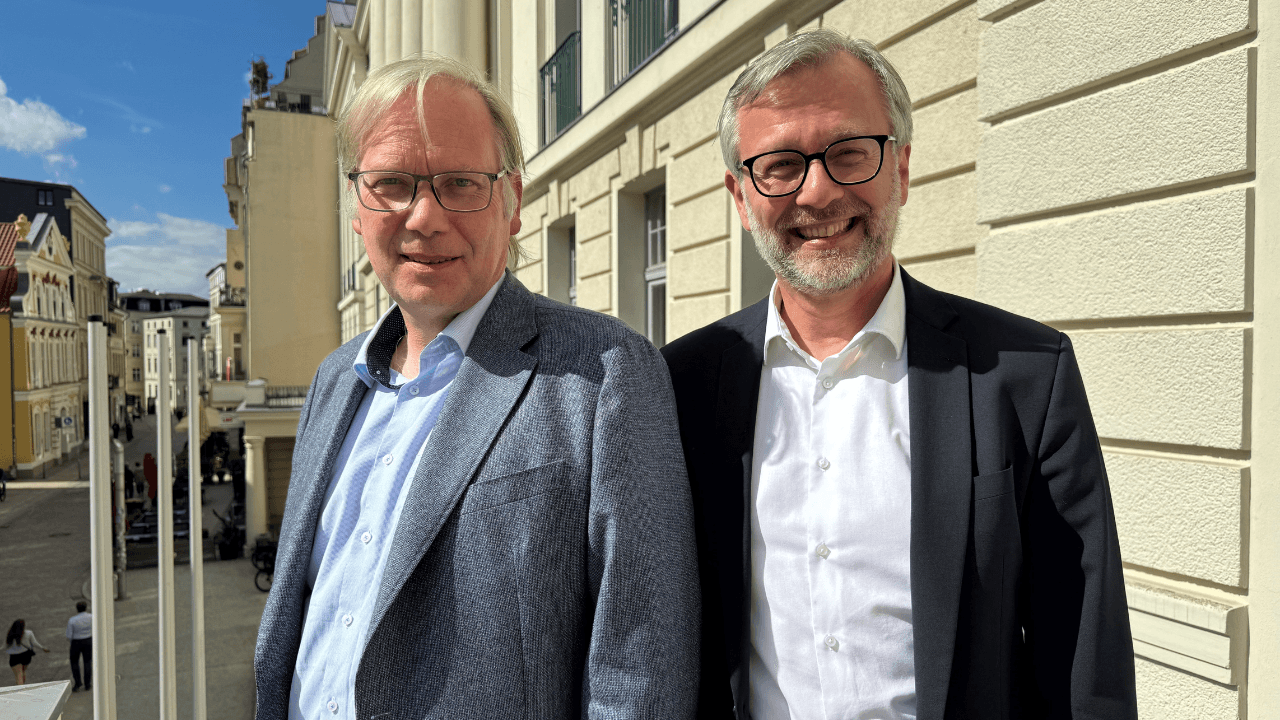
Mecklenburg-Vorpommern state government building exterior, symbolizing digital transformation.
The decision to implement Nextcloud is not merely a technological upgrade; it is a strategic pivot. The state views open source as a cornerstone of its digital future, enabling greater flexibility, interoperability, and long-term cost predictability. Unlike closed-source alternatives, Nextcloud’s open architecture allows for customization and integration with existing systems, ensuring a tailored solution that meets the specific needs of public administration. Furthermore, the transparency inherent in open-source development fosters trust and allows for rigorous security audits, crucial for handling sensitive government data. ## Enhancing Collaboration and Data Sovereignty The primary objective of this deployment is to equip state employees with a unified platform for daily work. The current digital landscape for public administration often involves fragmented tools and disparate systems, leading to inefficiencies and security risks. Nextcloud promises to consolidate these functionalities into a single, intuitive interface. Employees will be able to securely share documents, manage schedules, communicate effectively, and collaborate on projects, regardless of their physical location. This is particularly relevant in a post-pandemic world where remote and hybrid work models are becoming increasingly common in the public sector. Beyond immediate productivity gains, the rollout addresses the critical issue of data sovereignty. By controlling the infrastructure on which Nextcloud runs, the state ensures that sensitive citizen and administrative data remains within its jurisdiction and under its direct management. This reduces exposure to foreign data protection laws and potential access by third-party governments, a significant concern in the current geopolitical climate. The self-hosted nature of the deployment means that the state is not beholden to the terms of service or pricing changes of external cloud providers. This strategic choice also supports the local economy and the broader European open-source ecosystem. By investing in and deploying open-source solutions, Mecklenburg-Vorpommern contributes to the development and sustainability of these technologies, potentially creating new opportunities for local IT service providers and developers. The success of this initiative could serve as a blueprint for other German states and European regions looking to enhance their digital capabilities while upholding principles of open technology and data independence. ## The Path Forward: Training and Integration Successfully onboarding over 50,000 employees requires a comprehensive strategy that goes beyond mere technical deployment. Mecklenburg-Vorpommern is reportedly investing in extensive training programs to ensure that all users can effectively leverage the capabilities of Nextcloud. This includes familiarizing staff with the new interface, best practices for secure file sharing, and utilizing the collaborative features for project management and communication. User adoption is key to realizing the full benefits of the platform, and a well-executed training program will be crucial for its success. Integration with existing IT infrastructure is another critical phase. While Nextcloud offers a broad range of functionalities, public administrations often have legacy systems that need to be considered. The state is working to ensure seamless integration, allowing Nextcloud to complement rather than disrupt existing workflows. This might involve developing specific connectors or adapting configurations to fit the unique requirements of different government departments. The flexibility of Nextcloud’s open-source model is expected to facilitate these integrations, offering a more adaptable solution than many proprietary alternatives. The long-term vision for Mecklenburg-Vorpommern’s digital strategy includes further exploration and adoption of open-source technologies. This Nextcloud rollout is a significant milestone, demonstrating a clear commitment to open standards and digital self-determination. As more employees come online with the platform, the state anticipates a tangible increase in operational efficiency, improved data security, and a stronger foundation for future digital innovation. The move positions Mecklenburg-Vorpommern as a leader in public sector digital transformation within Germany and Europe, proving that open-source solutions are not only viable but highly advantageous for governmental operations.