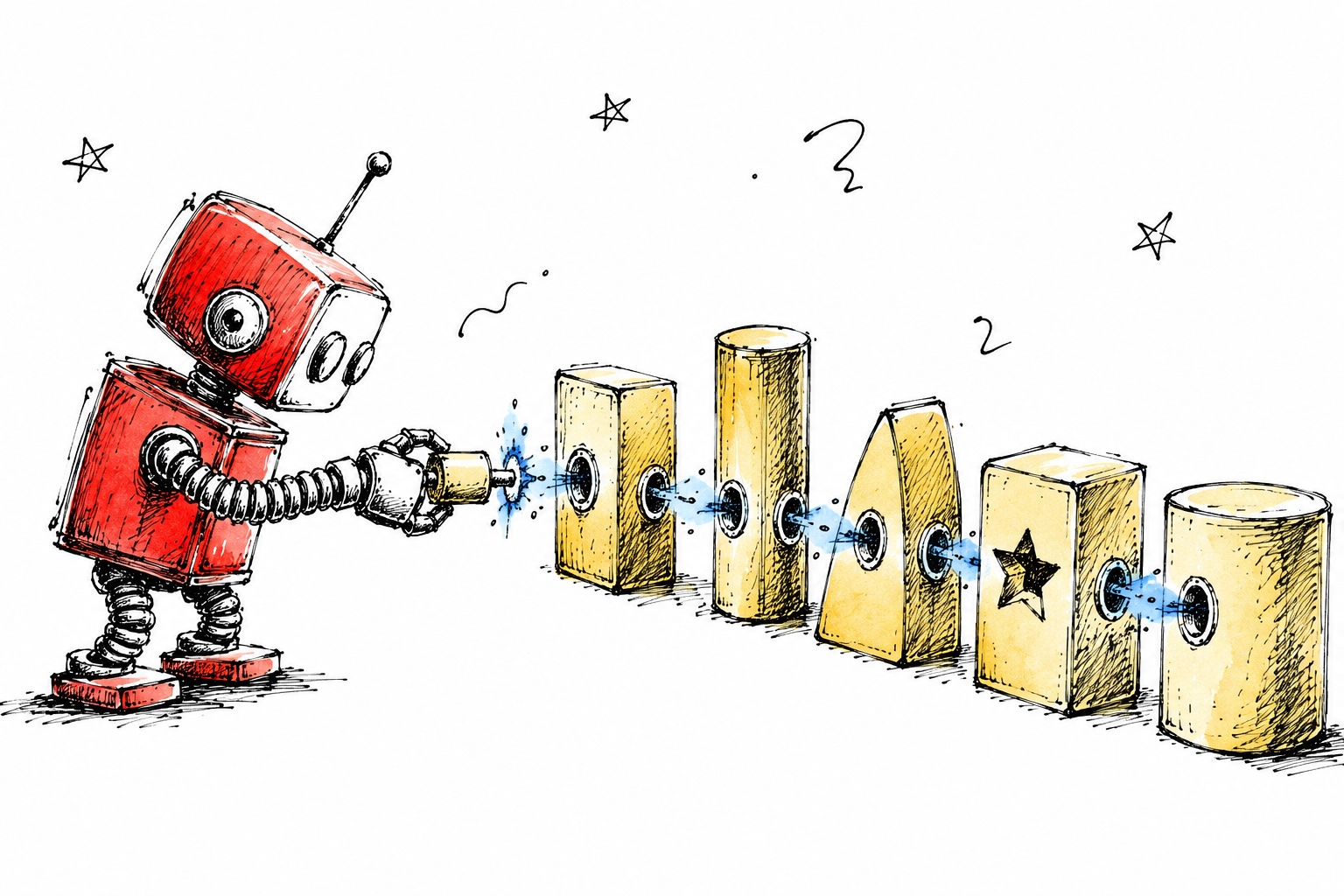
The Challenge: AI Agents Navigating a World of Tools
Modern AI agents are increasingly tasked with interacting with the real world, not just processing information in a vacuum. This requires them to leverage a vast array of external tools – from sending emails and booking flights to querying databases and controlling smart devices. The fundamental challenge has been the lack of a standardized way for these agents to discover, understand, and seamlessly integrate with these disparate tools. Historically, this has meant bespoke integrations for every new tool, a process that is time-consuming, brittle, and scales poorly.
Imagine an AI assistant that can book your next vacation. To do this, it needs to access flight booking APIs, hotel reservation systems, calendar applications, and potentially even weather services. Without a common language or protocol, each of these integrations would need to be built from scratch, understanding the specific authentication methods, data formats, and function calls for each individual service. This is akin to asking a traveler to learn a new language and customs for every single country they visit, rather than having a universal translator and a standard set of travel documents.
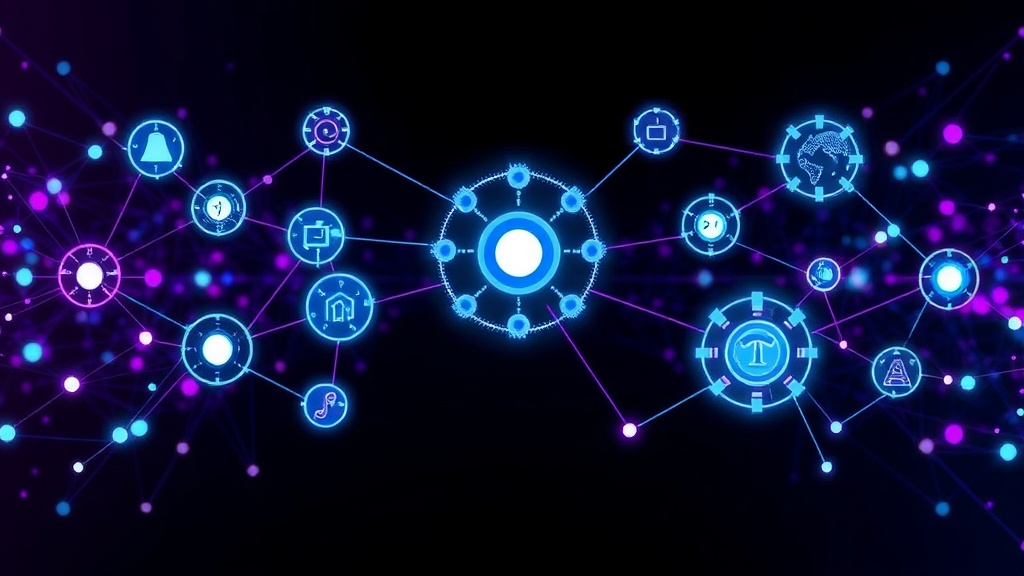
Introducing the Multimodal Communication Protocol (MCP)
The Multimodal Communication Protocol (MCP) emerges as a proposed solution to this integration bottleneck. At its core, MCP is designed to act as a universal standard for how AI agents can interact with and utilize external tools. It aims to abstract away the complexities of individual tool APIs, providing a consistent interface that agents can query and execute. This standardization is crucial for enabling AI agents to become more capable, reliable, and general-purpose.
MCP addresses several key aspects of agent-tool interaction:
- Tool Discovery: Agents need to know what tools are available to them. MCP provides a mechanism for tools to advertise their capabilities in a structured, machine-readable format. This allows an agent to query a registry or directly from a tool's endpoint to understand what functions it offers, what parameters they require, and what they return.
- Tool Understanding: Simply knowing a tool exists isn't enough; the agent must understand how to use it. MCP defines a standardized way to describe tool functions, their arguments (including types and constraints), and their expected outputs. This often leverages natural language descriptions, allowing agents to interpret tool functionalities in a human-understandable way while also providing structured data for precise execution.
- Tool Execution: Once a tool is understood, the agent needs to invoke it. MCP standardizes the request and response formats for tool calls. This means an agent can send a request to a tool using the MCP format, and the tool will respond in a predictable MCP-compliant manner, regardless of its underlying implementation.
- Multimodality: A key aspect of MCP is its support for multimodal interactions. This means agents can not only interact with tools that process text but also those that handle images, audio, video, and other data types. This is vital for agents that need to perform tasks like analyzing images, transcribing audio, or generating visual content.
Beyond Custom Integrations: The Universal Standard
The shift from custom integrations to a universal standard like MCP represents a significant paradigm change in AI development. Custom integrations are akin to building a unique key for every lock. While they work for a specific lock, they are not transferable and require significant effort each time a new lock is encountered. This approach is inherently inefficient and limits the scalability of AI agent deployments.
MCP, on the other hand, is like a master key system combined with a universally understood instruction manual. An agent built to understand MCP can theoretically interact with any tool that adheres to the protocol, without needing specific, pre-written code for each one. This dramatically reduces development time, lowers the barrier to entry for tool developers, and allows AI agents to become far more versatile and adaptable.
Consider the implications for the burgeoning field of AI agents. Developers building agent frameworks no longer need to maintain hundreds of individual tool connectors. Instead, they can focus on building more sophisticated agent logic, secure in the knowledge that a growing ecosystem of MCP-compliant tools will be available. Similarly, tool providers can expose their functionality to a much wider range of AI agents by implementing MCP just once.
The Broader Ecosystem and Future Implications
The success of MCP, like any standardization effort, hinges on widespread adoption. As more AI frameworks and tool providers embrace MCP, its value as a universal standard will grow exponentially. This creates a positive feedback loop: more agents using MCP encourage more tools to adopt it, and more tools available via MCP attract more agent developers.
This standardization has the potential to unlock new capabilities for AI agents, enabling them to perform more complex, multi-step tasks that require coordination across a wide range of services. It moves AI agents closer to becoming true digital assistants, capable of navigating and acting within the digital and physical worlds with greater autonomy and effectiveness. The key question that remains is how quickly the ecosystem can coalesce around MCP and what unforeseen challenges will arise as agents become more deeply embedded in real-world workflows.