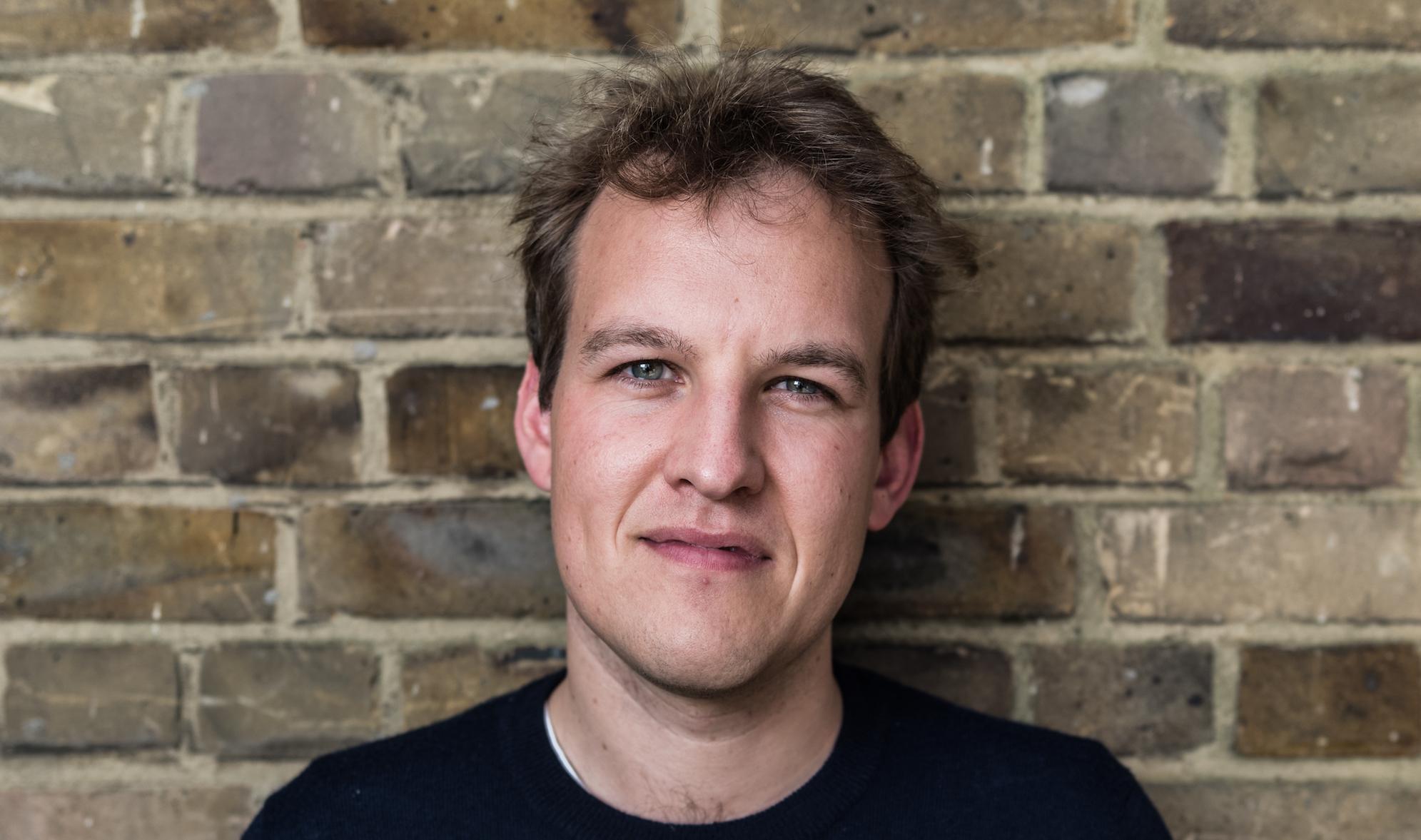
Clifford Steps Down from ARIA Leadership

Matt Clifford has resigned from his position as chair of the UK's Artificial Intelligence Research and Innovation Agency (ARIA). The departure comes after significant criticism regarding a perceived conflict of interest between his leadership role at ARIA and his involvement with Anthropic, a prominent US-based AI company. Clifford's tenure at ARIA, a body tasked with funding cutting-edge AI research in the UK, was intended to foster domestic innovation. However, the overlap with his position at Anthropic, a major player in the global AI landscape, raised questions about potential biases and the allocation of resources. The UK government, which established ARIA, confirmed Clifford's resignation, stating that the decision was made to avoid any perception of impropriety.

Concerns Over Dual Roles and Funding

The core of the controversy lies in the potential for Clifford's involvement with Anthropic to influence ARIA's strategic direction and funding decisions. Critics argued that ARIA's mission to support UK AI development could be compromised if its chair also held a significant position within a leading commercial AI entity, particularly one with substantial international operations and research interests. The overlap raises concerns about whether ARIA's investments would genuinely benefit the UK's independent AI ecosystem or inadvertently favour companies with which its chair has close ties. This situation is particularly sensitive given the global race to lead in AI development, where national interests and commercial ambitions are often intertwined.

UK government building where ARIA is headquartered, symbolizing national AI initiatives

ARIA's Mandate and Government Response

ARIA was established with a substantial endowment, reportedly £750 million, to act as a long-term investor in ambitious AI research and development projects in the UK. Its aim is to support high-risk, high-reward research that might not typically receive funding from traditional sources. The agency's mandate is to nurture a vibrant and independent AI sector within the United Kingdom, fostering scientific breakthroughs and commercial applications. The government's swift confirmation of Clifford's resignation signals an awareness of the delicate balance required to maintain public trust and ensure ARIA operates with impartiality. The focus now shifts to how ARIA will navigate its future leadership and ensure its operations remain free from external commercial pressures.

The Broader Implications for UK AI Strategy

Clifford's resignation highlights the complex challenges in governing and funding advanced AI research, especially in an environment characterized by intense global competition and significant private sector investment. The situation underscores the difficulty of attracting top talent and leadership to public-sector bodies while simultaneously ensuring these individuals can operate without conflicts of interest. For the UK's AI strategy, the incident serves as a crucial test case for the governance structures of its key research initiatives. It prompts a broader conversation about how to structure such agencies to maximize their effectiveness and public confidence, particularly when dealing with rapidly evolving and highly capitalized technological fields. The government will need to demonstrate a clear path forward to assure stakeholders that ARIA will fulfill its mission to bolster the UK's AI capabilities independently.

The Future of ARIA's Leadership

With Clifford's departure, the search for a new chair for ARIA begins. The selection process will be critical in shaping the agency's trajectory and reassuring the scientific and commercial communities of its commitment to impartial research funding. Whoever takes the helm will face the immediate task of solidifying ARIA's operational framework and rebuilding any eroded confidence. The government's approach to this appointment will be closely watched, as it will signal the UK's commitment to fostering a robust and independent AI research landscape. The incident also prompts reflection on the recruitment and oversight processes for leaders in publicly funded, high-stakes technological initiatives. The government’s stated aim for ARIA is to be a long-term, patient investor in fundamental AI research, akin to the US Advanced Research Projects Agency (ARPA), but with a specific focus on the UK's AI ecosystem. Ensuring this independence is paramount.