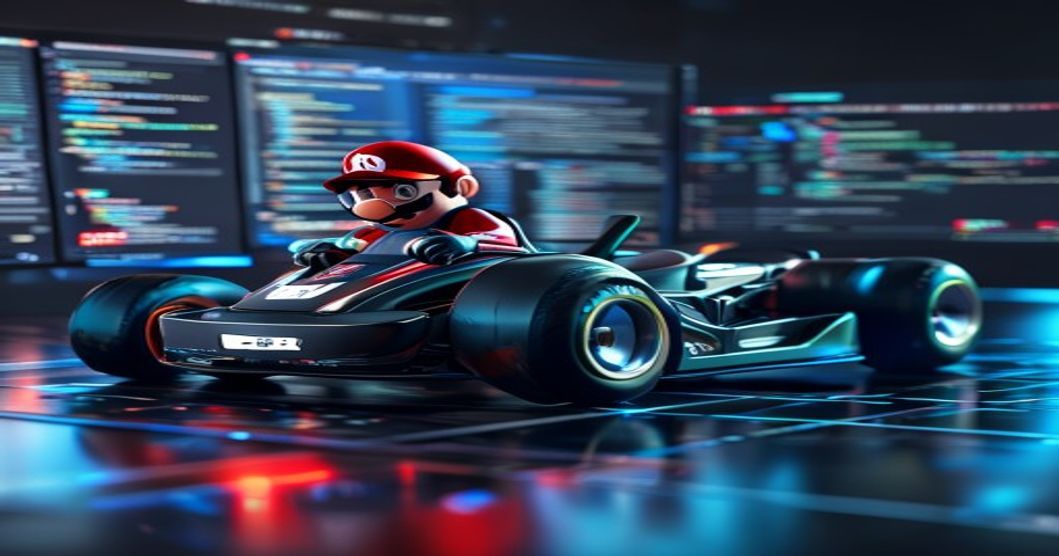
A New Engine for a Classic
The beloved Nintendo Wii title, Mario Kart Wii, is undergoing a significant transformation, being entirely recompiled for PC. This ambitious project, helmed by a dedicated team, marks what is claimed to be the 'first static recompilation of a Wii game.' Unlike traditional emulation, which simulates the original hardware, static recompilation translates the game's original code into native x86 machine code. This process promises substantial performance gains and opens the door to modern enhancements.
The recompilation effort is not merely a technical exercise; it aims to breathe new life into Mario Kart Wii for a contemporary audience. Key improvements include the potential for 4K resolution graphics and uncapped frame rates. These enhancements are crucial for providing a smoother, more visually appealing experience on modern displays and hardware, far surpassing the original Wii's limitations.
The project is slated for an August release, generating considerable buzz within the retro gaming and modding communities. The team behind the recompilation has focused on compatibility and feature parity, ensuring that the essence of the original game is preserved while its technical foundation is modernized.
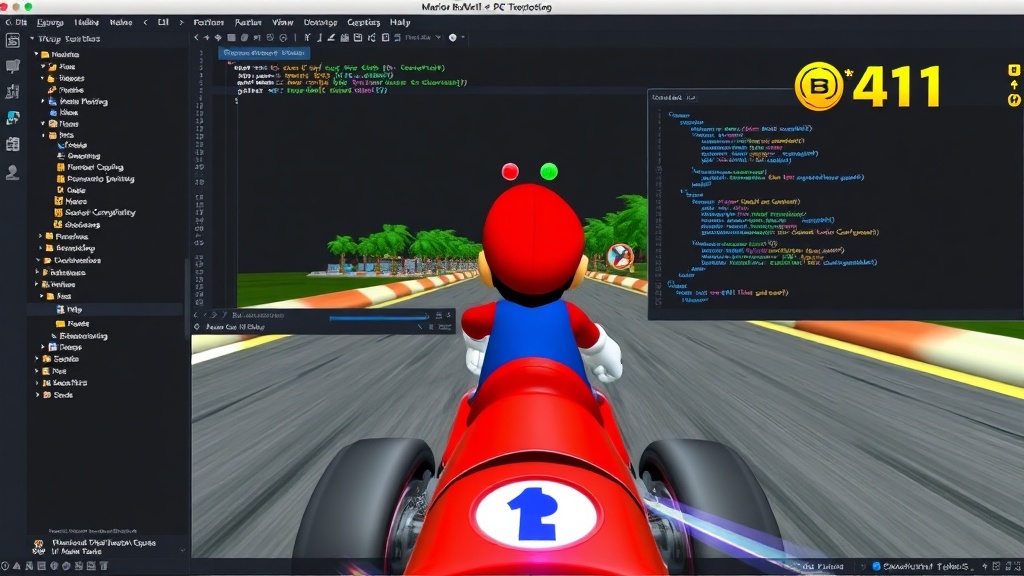
Retro Rewind and Expanded Content
A major draw of this PC recompilation is its support for over 200 tracks. This vast library is made possible through compatibility with the Retro Rewind project. Retro Rewind is a popular tool within the Mario Kart Wii modding scene that enables the use of custom tracks. By integrating this compatibility, the recompilation effectively unlocks a significantly expanded version of the game, offering players hundreds of new racing environments to explore.
This level of content expansion transforms Mario Kart Wii from a single-game experience into a platform for a virtually limitless number of tracks. For players who have exhausted the original 32 tracks, this offers a fresh and enduring challenge. The ability to seamlessly integrate and play these custom tracks without complex emulation setups is a testament to the thoroughness of the recompilation effort.
The technical achievement of static recompilation means that the game runs natively on PC architecture. This bypasses the overhead associated with emulators, which often struggle with performance scaling and compatibility issues. Developers can achieve higher fidelity and smoother gameplay by directly compiling the game's logic for the target platform.
Technical Foundations and Community Impact
Static recompilation involves disassembling the original game's code and then reassembling it for a new architecture. This is a complex process that requires a deep understanding of both the original game's internal workings and the target architecture. The success of this Mario Kart Wii project suggests a high degree of technical expertise from the development team.
The implications of this project extend beyond just Mario Kart Wii. If successful, it sets a precedent for how older console games can be preserved and enhanced. Static recompilation offers a more robust and potentially more performant alternative to traditional emulation for certain titles. It allows for deeper integration with modern hardware and operating systems, potentially enabling features that emulation cannot easily replicate.
The community aspect is also significant. Projects like this are often driven by passionate fans and developers who want to see their favorite games live on and improve. The release of this recompilation will likely foster further innovation in the modding scene, encouraging more developers to explore static recompilation for other titles. The potential for AI to assist in such complex code translation is also a fascinating angle, hinting at future possibilities for game preservation and enhancement.
If you've ever felt the sting of Mario Kart Wii's 30 FPS cap or the blur of its original resolution, this recompilation promises a definitive solution. The August release date is fast approaching, and the anticipation for a native PC version of Mario Kart Wii, complete with modern graphical fidelity and an expanded tracklist, is palpable.