
The Unified AI Agent Concept
Lyto emerges with an ambitious goal: to consolidate a user's digital life under a single AI agent. The premise is straightforward yet powerful: instead of juggling separate applications for communication, browsing, and task management, Lyto proposes a unified interface that interacts with all of them. This approach seeks to streamline workflows and reduce the cognitive overhead associated with constant context switching between disparate tools.
The core idea is to create an AI that lives within your browser and can understand and act upon information across your various digital touchpoints. Imagine an AI that can read your emails, browse the web to find relevant information, and then draft a response or update a document based on that gathered data, all without requiring you to manually copy-paste or switch tabs. Lyto positions itself as the orchestrator of these actions, aiming to provide a seamless experience where the AI agent acts as an extension of the user's intent.
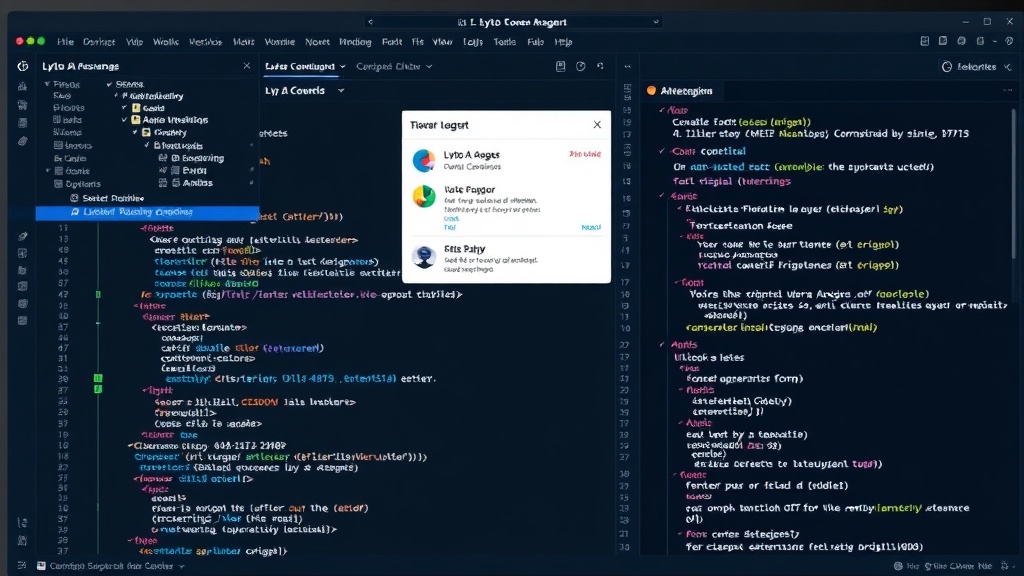
This concept is not entirely novel; various AI assistants and browser extensions have attempted to bridge gaps between applications. However, Lyto's differentiator appears to be its breadth of integration and its ambition to act as a singular command center. The agent is designed to understand natural language commands and translate them into actions across a wide range of applications, from email clients and messaging apps to productivity suites and web services.
How Lyto Aims to Work
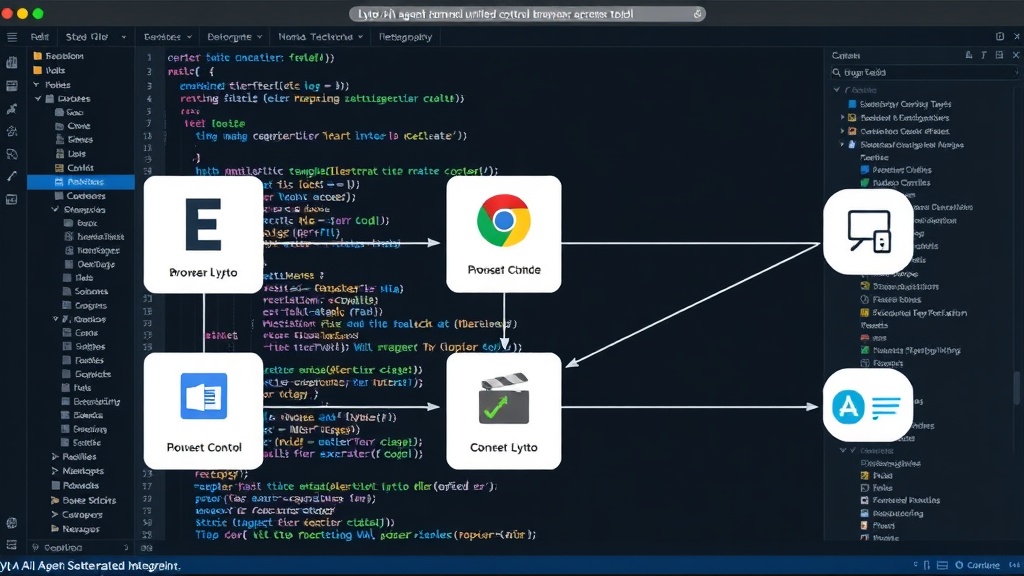
At its heart, Lyto functions as an intelligent layer that sits atop your existing digital tools. It leverages browser extensions to gain context from the websites you visit and the applications you use. This allows it to understand the content of your messages, the information presented in your browser tabs, and the tasks you are actively engaged with.
The agent's architecture is built around natural language processing (NLP) and machine learning models that interpret user requests. When a user provides a command, Lyto analyzes it, identifies the relevant applications or data sources needed, and then executes the necessary actions. For instance, if a user asks Lyto to find information about a particular topic, research a competitor, and then summarize the findings in an email draft, Lyto would theoretically:
- Access the browser to search the web for the specified topic and competitor.
- Process the information gathered from search results and potentially other linked documents or communications.
- Synthesize this information into a coherent summary.
- Draft an email with the summary, potentially identifying recipients based on your communication history or explicit instructions.
The system is designed to learn from user interactions, becoming more adept at understanding preferences and anticipating needs over time. This adaptive learning is crucial for an agent that aims to be a truly personal assistant, capable of handling complex, multi-step tasks with increasing efficiency and accuracy.
Potential Impact and Unanswered Questions
The promise of Lyto is a significant reduction in friction for users who rely on a multitude of digital tools daily. For developers, it could mean less time spent on repetitive tasks and more time focused on core coding or problem-solving. For founders, it could translate to improved operational efficiency and faster information synthesis for strategic decision-making. Creators might find it easier to manage their online presence, communication with collaborators, and content research.
However, several critical questions remain. The most significant is the security and privacy implications of granting an AI agent deep access across all user interactions. How does Lyto ensure that sensitive data from emails, messages, and browsing history is protected? What are the encryption protocols in place, and what is the company's data retention policy? The model of an AI agent with such pervasive access inherently raises concerns about potential data breaches or misuse.
Furthermore, the technical feasibility of such a broad integration is substantial. Ensuring seamless and reliable interaction with a constantly evolving landscape of web applications and APIs presents a formidable engineering challenge. What happens when an application updates its interface or API, potentially breaking Lyto's functionality? The longevity and robustness of such an agent depend heavily on its ability to adapt to these changes.
The competitive landscape also warrants consideration. Many established tech giants are investing heavily in AI agents and personal assistants. Lyto must carve out a unique niche and demonstrate a clear advantage in functionality, user experience, or privacy to stand out. The success of Lyto will hinge not only on its technical execution but also on its ability to build trust with users regarding data security and its long-term viability.
What nobody has addressed yet is what happens to the user's established workflows and muscle memory once they delegate tasks to an AI agent. Will this lead to a deskilling effect, where users become overly reliant and less capable of performing tasks manually? Or will it truly augment human capabilities, freeing up cognitive resources for higher-level thinking and creativity?
Lyto's vision of a unified AI agent is compelling. It taps into a widespread desire for simplification and efficiency in our increasingly complex digital lives. The success of this endeavor will depend on overcoming significant technical hurdles and, perhaps more importantly, building a foundation of trust concerning user data and privacy. As the product develops, its ability to deliver on its ambitious promise will be closely watched by a wide range of digital professionals.