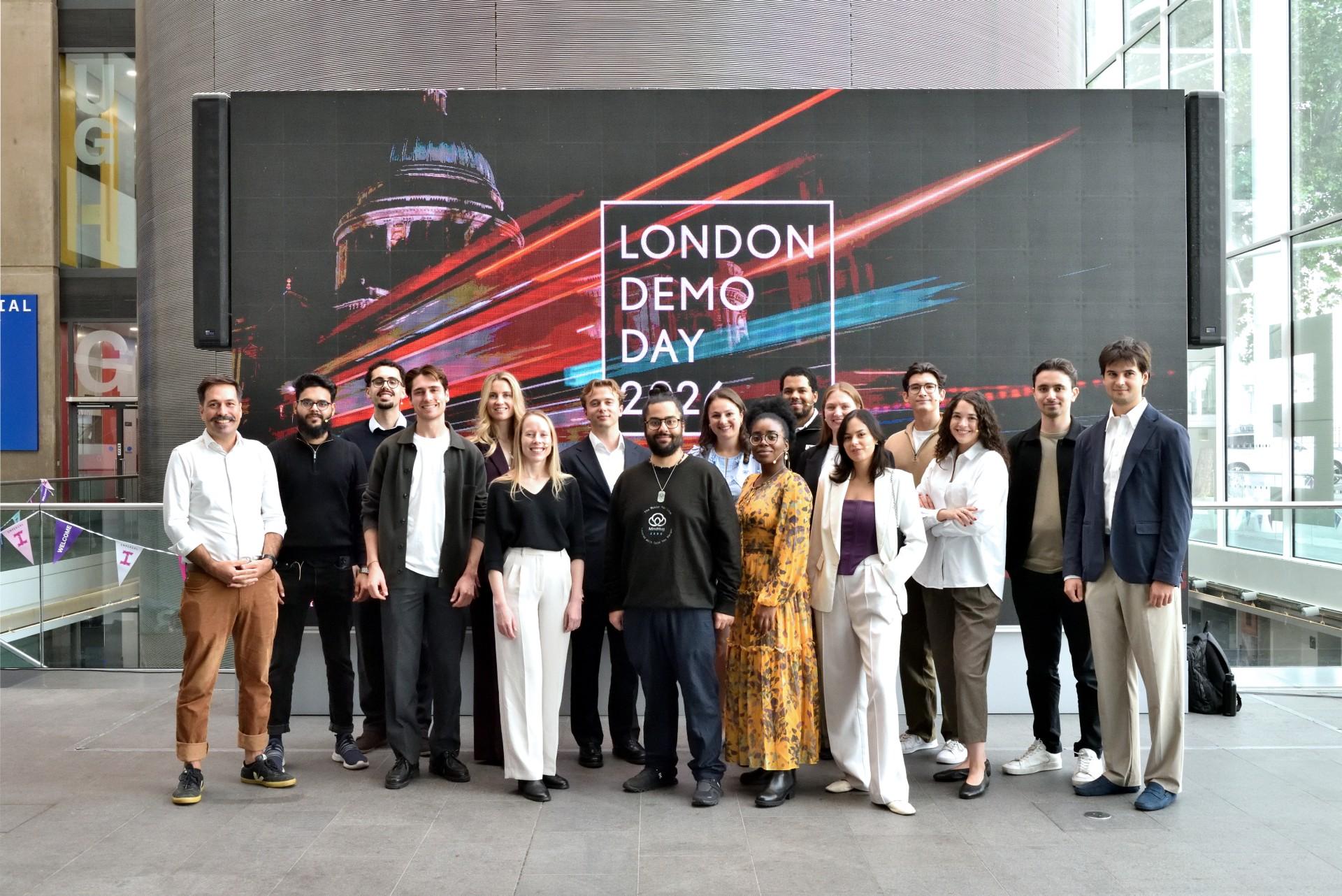
London Demo Day 2026: A Hub for University Innovation
London Demo Day 2026, a premier event for university-founded startups, recently concluded its showcase, featuring student and alumni founders from the city's leading academic institutions. This year's event saw a significant surge in ambition, with companies on stage collectively seeking over £366 million in capital. The event highlighted 38 startups, a notable increase from previous years, reflecting a growing trend of deep-tech innovation emerging from academic research labs and student projects. Founders are not only aiming for substantial funding rounds but are also focused on developing tangible products and securing early customer traction, indicating a mature approach to scaling.
The diversity of sectors represented underscores the breadth of innovation stemming from London's universities. From AI-driven solutions to advancements in biotechnology and climate technology, the pitches covered a wide spectrum of critical global challenges and market opportunities. This annual event serves as a crucial platform, connecting nascent ventures with the venture capital community and providing them with the visibility needed to propel their growth.
Key Sectors and Funding Trends
Artificial intelligence (AI) continues to be a dominant force, with several startups leveraging AI for specialized applications. One such company, focusing on AI for drug discovery, is seeking £6 million in funding. This venture aims to streamline the complex and costly process of identifying new pharmaceutical compounds by employing advanced machine learning algorithms to analyze vast biological datasets. Their approach promises to reduce the time and expense associated with early-stage drug development, a critical bottleneck in the pharmaceutical industry.
Another prominent area is climate tech, reflecting the increasing urgency and investment focus on sustainability. Startups in this sector are developing innovative solutions to address environmental challenges, ranging from carbon capture technologies to sustainable energy management. The broad appeal of climate solutions is evident in the significant funding sought by companies in this space, signaling strong investor confidence in the long-term viability and impact of these ventures.
Biotechnology also featured prominently, with companies exploring novel therapeutic approaches and diagnostic tools. The convergence of AI and biotech is particularly noteworthy, enabling more precise and efficient research and development. Founders are not only presenting groundbreaking scientific concepts but are also demonstrating clear market strategies and early validation, aiming to secure the capital necessary to advance their technologies from the lab to real-world application.
Notable Startups and Their Pitches
Among the notable startups, CJS AI presented its AI-powered platform, which aims to revolutionize customer service by providing hyper-personalized interactions. CJS AI is reportedly seeking £30 million in Series A funding. Their technology leverages natural language processing and sentiment analysis to understand customer needs and deliver tailored support, enhancing engagement and loyalty. This move into AI-driven customer solutions highlights a broader trend of applying advanced AI to improve business operations and customer experiences.
Another compelling pitch came from Kudos, a company developing a novel approach to employee engagement and recognition. Kudos has secured £180 million in seed funding and a £516 million Series A round, a substantial amount that reflects strong investor belief in their vision. Their platform aims to foster a positive work culture by facilitating peer-to-peer recognition and rewards, directly impacting employee retention and productivity. The significant funding underscores the market's demand for solutions that enhance workplace dynamics and employee well-being.
FNCIV, a startup focused on AI for drug discovery, is seeking £6 million. Their technology aims to accelerate the identification of new drug candidates by analyzing complex biological data, a process that traditionally takes years and significant financial investment. By employing advanced AI models, FNCIV intends to drastically shorten this timeline and reduce costs, potentially bringing life-saving treatments to market faster.
KPA, another participant, is developing AI solutions for the construction industry, targeting inefficiencies and safety improvements. Their pitch highlighted how AI can optimize project management, predict potential risks, and enhance site safety, areas ripe for technological disruption. While specific funding amounts were not detailed for KPA, the general trend suggests a strong appetite for AI applications across diverse industrial sectors.
Investor Sentiment and Market Signals
The collective funding target of over £366 million from 38 startups indicates a robust and active early-stage investment landscape in London. Venture capital firms are keenly observing the output of university research, recognizing the potential for deep-tech breakthroughs. The emphasis on tangible products and early customer traction suggests a maturing startup ecosystem, where founders are not just ideating but are rigorously validating their business models.
The presence of established venture capital firms and angel investors at London Demo Day signals continued confidence in the UK's tech scene. Investors are actively seeking opportunities in AI, biotech, and climate tech, driven by both market potential and a growing desire to fund solutions addressing significant societal challenges. The sheer volume of capital sought, coupled with the diverse range of innovative solutions presented, positions London as a critical hub for the next wave of technological advancement.
Looking Ahead: The Future of University-Led Innovation
London Demo Day 2026 has once again proven to be a vital launchpad for academic innovation. The event not only showcases the entrepreneurial spirit of students and alumni but also highlights the critical role universities play in fostering cutting-edge research and technology transfer. The success of these startups will depend on their ability to execute their ambitious plans, navigate competitive markets, and leverage the capital raised to scale their impact.
As these ventures mature, they will undoubtedly shape their respective industries. The continued focus on deep-tech solutions, particularly in AI, biotech, and climate, suggests a future where technology plays an even more integral role in solving complex global problems. The energy and innovation on display at London Demo Day 2026 offer a promising glimpse into the technological advancements that will define the coming years.