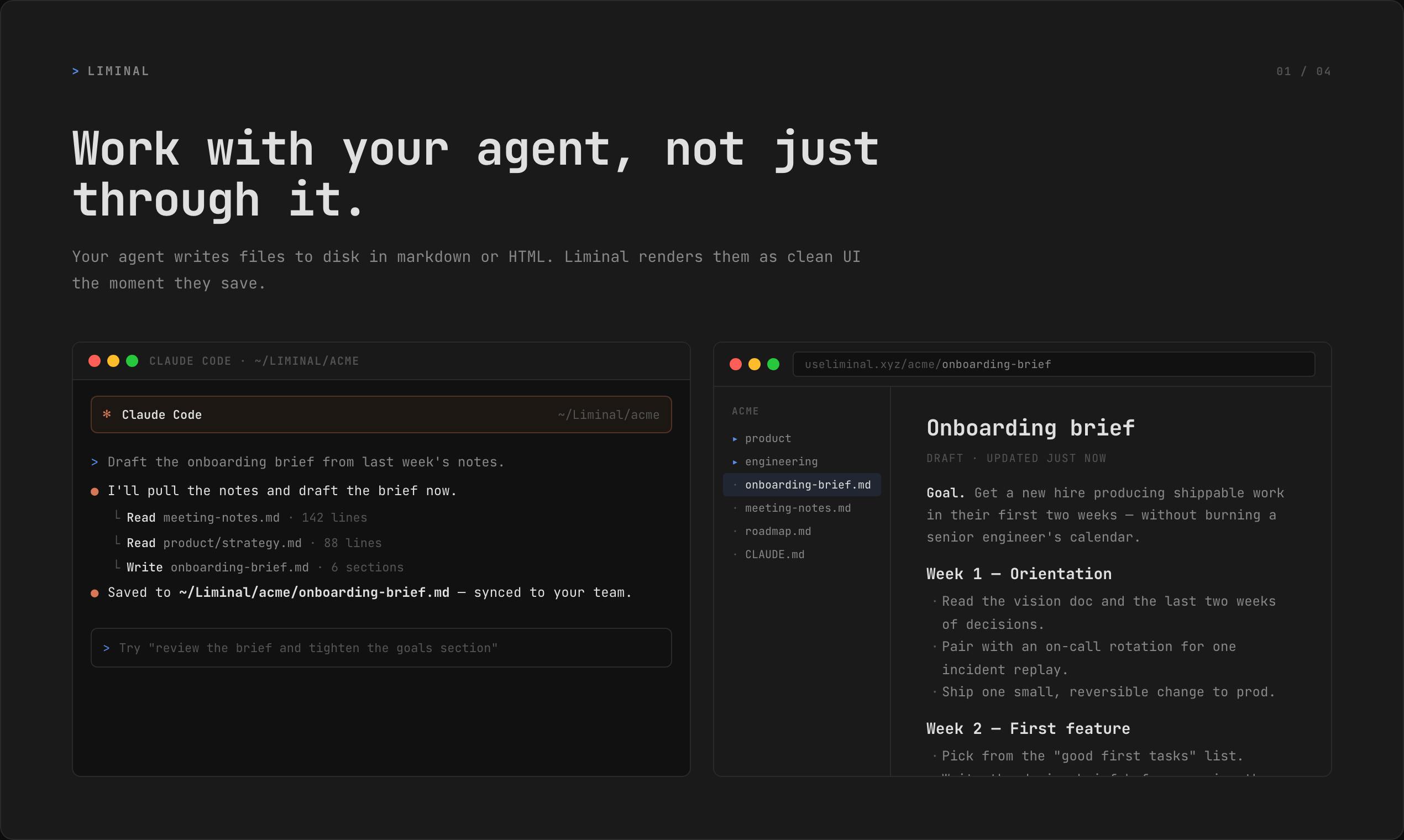
The Unified Workspace Concept
Liminal enters a crowded market of productivity tools with a bold proposition: to serve as a unified workspace and "second brain" for individuals, their AI agents, and their teams. The platform aims to bridge the gap between personal knowledge management (PKM), team collaboration, and the burgeoning field of AI agents that can act on behalf of users.
In essence, Liminal seeks to be the central nervous system for your digital life and work. Instead of juggling separate tools for note-taking, task management, team chat, and AI interactions, Liminal proposes a single environment where all these elements converge. This approach is particularly relevant as AI agents become more sophisticated and integrated into daily workflows, requiring a structured environment to operate effectively.
The core idea behind Liminal is to create a persistent, context-aware space. Think of it less like a shared document editor and more like a highly organized digital assistant's desk, where every piece of information, every ongoing task, and every active AI agent has its designated spot and is readily accessible. This aims to reduce the cognitive load associated with switching between different applications and contexts.
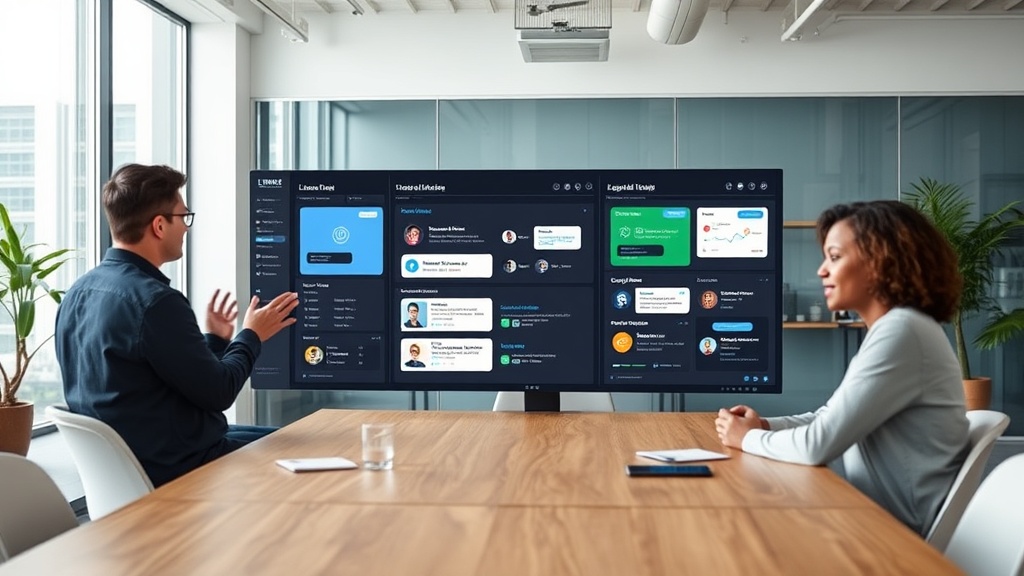
Key Features and Functionality
Liminal's architecture is built around several interconnected pillars:
- Personal Knowledge Management (PKM): At its foundation, Liminal functions as a robust PKM system. Users can capture, organize, and connect information in a fluid, non-linear way, similar to popular PKM tools. This allows for the creation of a personal knowledge graph that can be leveraged by both the user and their AI agents.
- Team Collaboration: The platform integrates essential team collaboration features. This includes shared workspaces, document co-editing, task assignment, and communication channels. The goal is to ensure that team knowledge and ongoing projects are seamlessly integrated with individual knowledge bases.
- AI Agent Integration: This is perhaps Liminal's most forward-looking aspect. The platform is designed to host and manage AI agents. Users can delegate tasks to these agents, which can then access and process information within the Liminal workspace. This could range from summarizing documents to scheduling meetings or conducting research, all within the secure confines of the user's or team's data.
- Contextual Awareness: Liminal aims for a high degree of contextual awareness. Information captured or generated within the workspace is tagged and linked, allowing AI agents to understand the relationships between different pieces of data and provide more relevant assistance. This is crucial for effective agent operation, preventing the common issue of AI models lacking understanding of specific user data or project history.
The Agent-Centric Workspace
The integration of AI agents is a critical differentiator for Liminal. Traditional productivity suites often treat AI as an add-on or a separate tool. Liminal, however, positions AI agents as first-class citizens within the workspace. This means agents are not just executing commands but are actively participating in the workflow, accessing and contributing to the shared knowledge base.
For developers and teams building AI-powered applications, Liminal offers a potential platform for managing and deploying these agents. The ability for an agent to have persistent memory and context within a structured workspace is a significant step towards more capable and reliable AI assistants. Imagine an agent that can autonomously manage your inbox, draft responses based on your existing knowledge, and flag critical tasks without constant human oversight. Liminal aims to make this a reality by providing the necessary infrastructure.
This agent-centric approach also has implications for how teams collaborate. Instead of just human-to-human interaction, Liminal envisions human-to-agent and agent-to-agent interactions within the same collaborative environment. This could lead to entirely new workflows where AI agents act as team members, handling repetitive tasks, providing real-time data analysis, or even facilitating communication by translating information between different team members or systems.
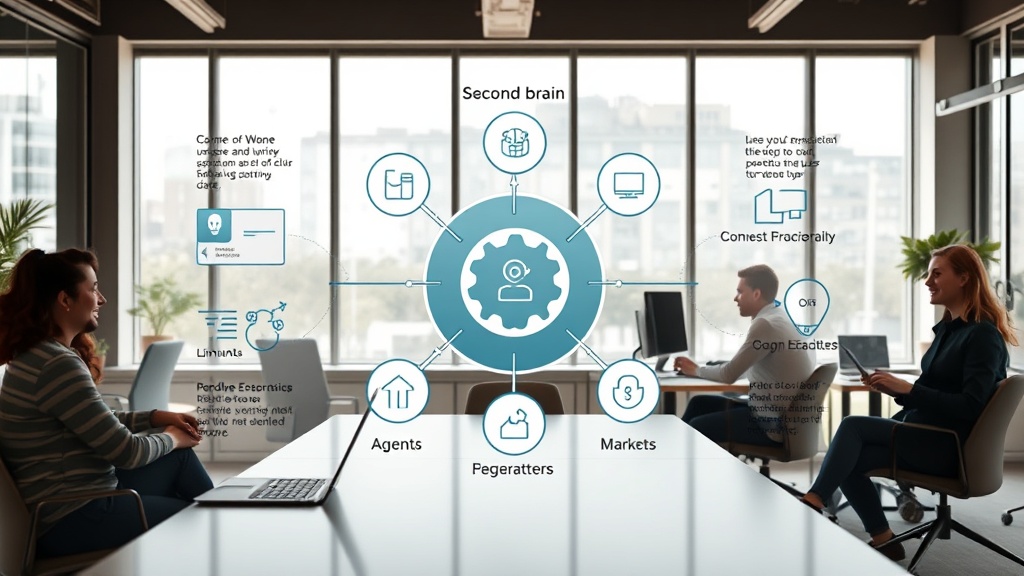
Market Positioning and Future Implications
Liminal positions itself against a backdrop of increasingly fragmented digital tools. Users often find themselves subscribing to multiple services for note-taking, project management, communication, and AI assistance. The promise of a unified platform that consolidates these functionalities is appealing, especially for those experiencing "tool fatigue." Competitors range from established players like Notion and Coda, which offer flexible document-centric workspaces, to specialized PKM tools like Obsidian and Roam Research, and emerging AI agent platforms.
The success of Liminal will likely hinge on its ability to deliver a seamless and intuitive user experience across these diverse functionalities. The technical challenge of integrating real-time collaboration, complex PKM features, and robust AI agent management within a single application is substantial. Furthermore, building trust around data security and privacy will be paramount, especially when dealing with sensitive personal and team information that AI agents will access.
What remains to be seen is how effectively Liminal can abstract the complexities of AI agent development and deployment for the average user. If it can provide a user-friendly interface for creating, managing, and interacting with AI agents, it could democratize access to advanced AI assistance. The platform's success could signal a broader industry shift towards agent-native workspaces, where AI is not an afterthought but a core component of how we work and manage information.
For founders and product leaders, Liminal represents a vision of the future of work where human and artificial intelligence collaborate seamlessly. It addresses a growing need for tools that can manage the increasing volume and complexity of digital information and communication, while also preparing for the widespread adoption of AI agents.