LG Smart TVs Vulnerable to Audio Logging and Network Snooping
Security researchers have identified critical vulnerabilities affecting LG smart TVs, allowing them to passively log audio even when the screen is off and to snoop on devices connected to the same local network. These findings, first highlighted on Hacker News, expose significant privacy risks for millions of LG TV owners worldwide.
The vulnerabilities, detailed in a report that gained traction on Hacker News, center around the TV's ability to capture ambient audio and its network discovery protocols. While smart TVs are increasingly equipped with microphones for voice commands and features like Quick Start+, the ability to log audio without explicit user action or when the device is ostensibly inactive is a major privacy concern. This could potentially capture sensitive conversations happening in the vicinity of the TV.
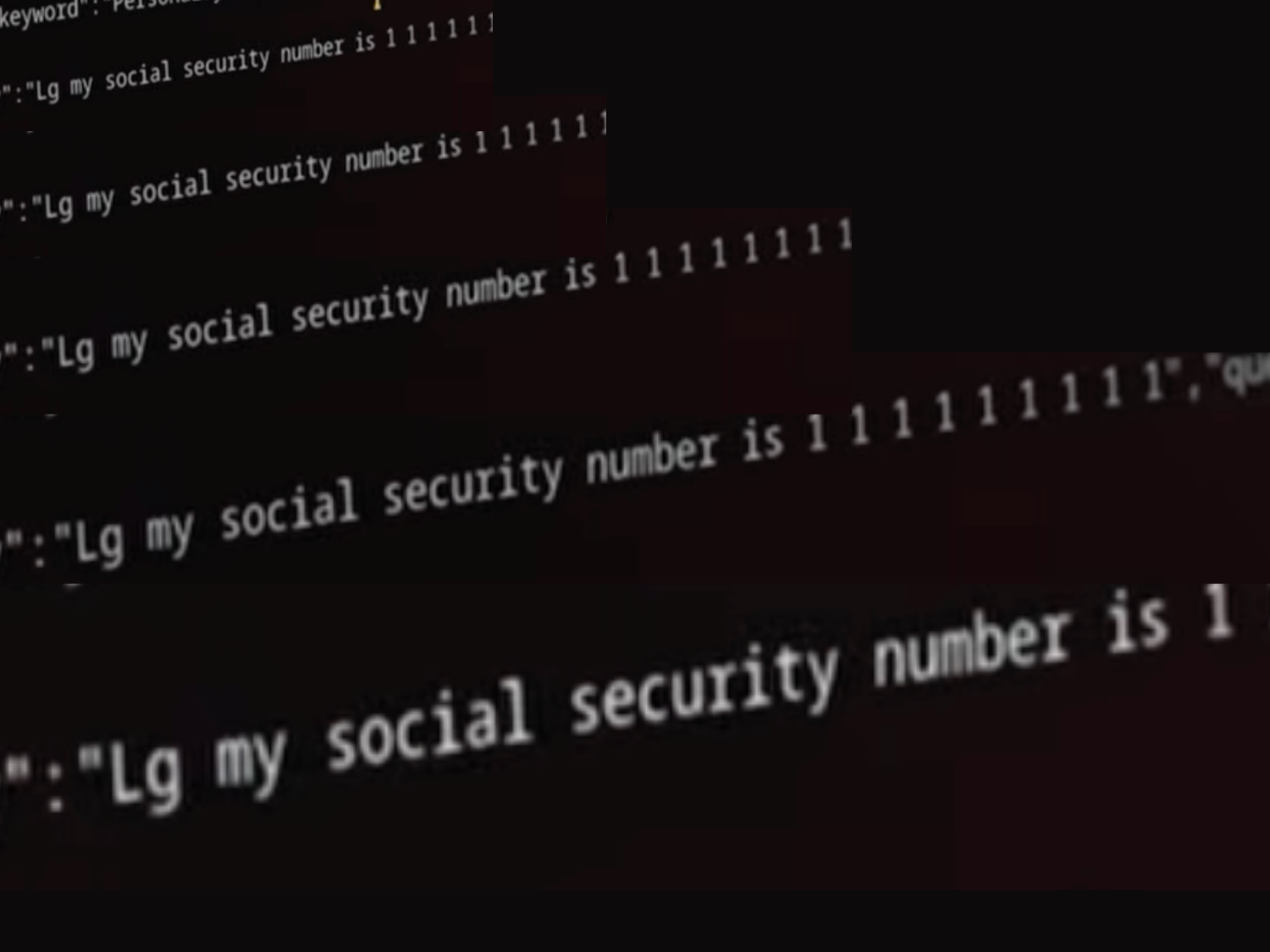
Audio Logging Concerns
The primary concern revolves around the audio logging capabilities. LG TVs, like many modern smart devices, feature microphones for voice control and other interactive functions. However, the research suggests that these microphones may remain active and record audio even when the TV's screen is turned off, a state typically associated with minimal activity. This persistent audio capture raises questions about what data is being collected, where it is stored, and how it is being used. Without clear indications or user opt-outs for this background audio logging, users are effectively unaware of the potential surveillance occurring within their own homes.
The implications extend beyond mere data collection. If the captured audio is transmitted to external servers without robust encryption or user consent, it could be vulnerable to interception or misuse. The lack of transparency surrounding this background audio logging is particularly troubling, as users assume their TV is dormant when the screen is off.
Local Network Snooping
In addition to audio logging, the LG smart TVs have been found to snoop on other devices connected to the same local network. This means the TV can potentially discover and interact with other smart home devices, computers, and mobile phones within the user's home network. While some network discovery is necessary for features like casting or smart home integration, the extent of this snooping is a significant privacy issue.
Researchers indicate that the TV may be able to gather information about connected devices, their IP addresses, and potentially even data being exchanged between them. This capability could be exploited by malicious actors if the TV itself is compromised, turning it into a reconnaissance tool for mapping and attacking other devices on the network. The potential for a compromised TV to act as a gateway into a user's private network is a serious security threat.
Technical Details and Potential Exploitation
While specific technical details are still emerging from the Hacker News discussion and related security advisories, the core issue appears to stem from how the TV's operating system handles audio input and network traffic. It is suspected that certain services or applications running on the TV might not properly adhere to user-defined privacy settings or device states (like screen off). The network snooping capability could be a byproduct of network scanning services that are overly permissive or lack proper security controls.
The impact on users is twofold: privacy invasion through unauthorized audio recording and security risks from a compromised network vantage point. If an attacker can gain control of the TV, they could potentially leverage these vulnerabilities to eavesdrop on conversations or use the TV as a pivot point to attack other devices on the network, such as stealing credentials or deploying malware.
Mitigation and User Action
For users concerned about these vulnerabilities, immediate steps can be taken. The most effective mitigation involves disabling voice recognition features and any other microphone-dependent functionalities on the TV. Users should also review their TV's privacy settings thoroughly, opting out of any data collection or sharing services that are not essential. Disabling features like Quick Start+ might also reduce the TV's background activity.
Network segmentation can also provide a layer of defense. By placing the smart TV on a separate Wi-Fi network or VLAN from sensitive devices, the potential for cross-device snooping can be limited. However, this requires a more advanced network setup and may not be feasible for all users.
LG has yet to issue a formal statement or patch for these specific vulnerabilities. Users are advised to stay updated on official LG support channels for any future security advisories or firmware updates. The broader community is actively discussing the implications and potential workarounds on platforms like Hacker News, sharing insights and experiences to help mitigate the risks.
Broader Implications for Smart Home Security
This incident underscores a persistent challenge in the smart home ecosystem: balancing convenience and functionality with user privacy and security. As more devices become connected and equipped with sensors, the potential attack surface grows exponentially. The fact that a device as central to the home as a smart TV can become a source of surveillance and a network vulnerability is a stark reminder of the need for rigorous security auditing and transparent privacy policies from manufacturers.
The ongoing discussion on Hacker News highlights a demand for greater accountability and more robust security measures in consumer electronics. Developers and security professionals will be watching closely to see how LG responds and what industry-wide changes might follow to prevent similar issues in the future. What nobody has fully addressed yet is the long-term impact on consumer trust and the adoption of increasingly interconnected smart home devices if such vulnerabilities become commonplace.