Introducing Leaping AI: Persistent AI Agents for Outreach
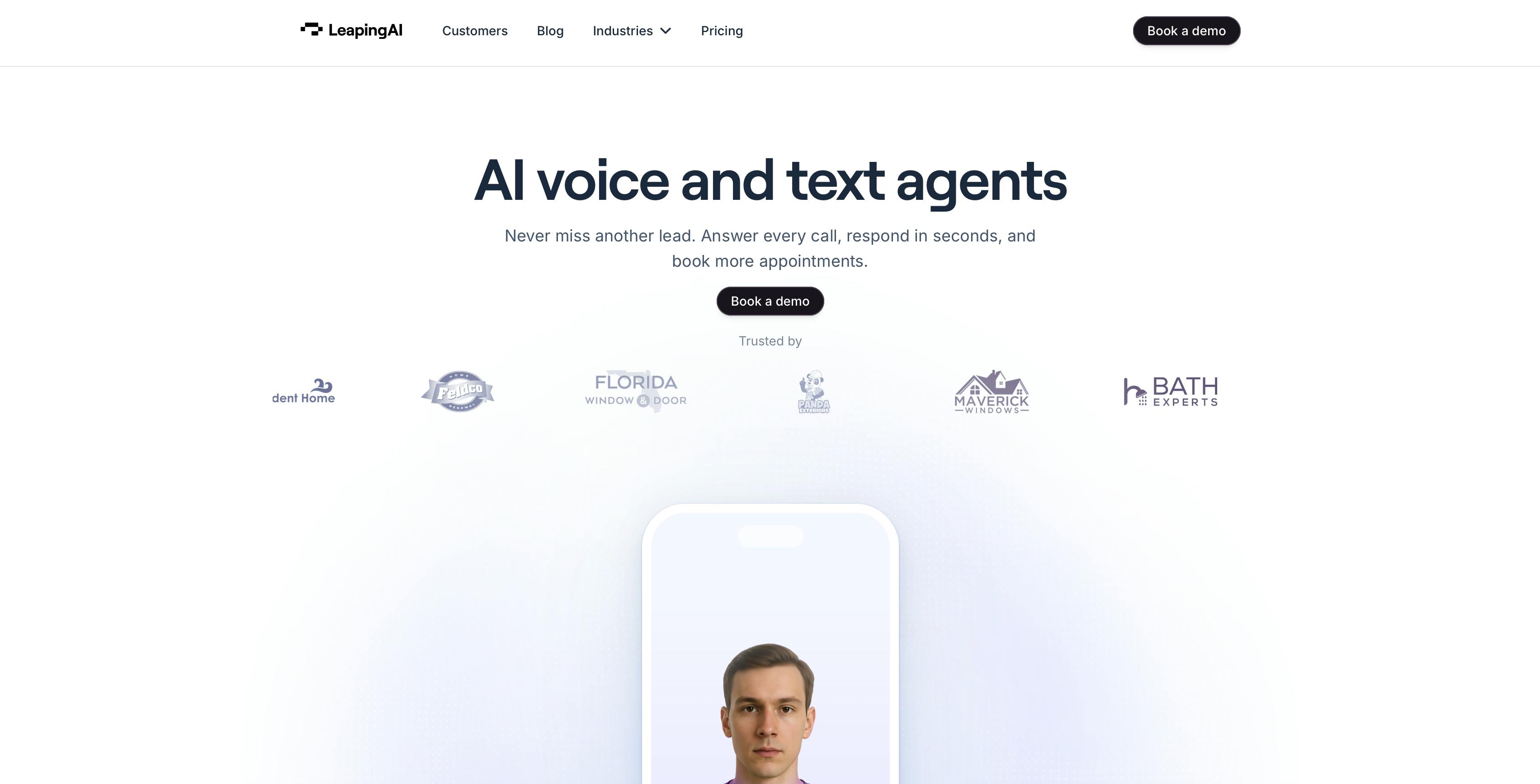
Leaping AI has launched a new platform designed to automate outbound sales and customer engagement through sophisticated AI agents. Unlike traditional single-touch automation tools, Leaping AI's agents are built for multi-day, multi-channel campaigns, allowing for persistent and nuanced interactions that mimic human outreach more closely. The core promise is to handle the intricate dance of follow-ups, information gathering, and relationship building over extended periods, freeing up human sales teams for closing deals.
The platform focuses on two primary communication channels: voice calls and text messages. This dual approach allows for a comprehensive outreach strategy. An AI agent can initiate a call, leave a detailed voicemail, and then follow up with a personalized text message based on the call's outcome or specific talking points. This continuity is crucial for effective engagement in today's crowded communication landscape. The agents are designed to manage conversation history, adapt their approach based on previous interactions, and maintain context across multiple touchpoints within a single campaign.
Think of Leaping AI less like a simple dialer and more like a dedicated, tireless junior salesperson. This junior rep doesn't just make one call and move on; they remember who they spoke to, what was discussed, and when the next appropriate follow-up should be, whether that's another call, a text, or a combination of both. This persistent, context-aware approach aims to significantly improve conversion rates and reduce the manual effort involved in nurturing leads over time.
Campaign Management and Personalization
Leaping AI offers robust tools for campaign creation and management. Users can define the parameters of their outreach, including target audience segments, communication sequences, and the specific goals of each campaign. The platform allows for a high degree of personalization, enabling businesses to tailor messages to individual prospects based on available data. This could range from referencing a prospect's industry or recent company news in a text message to adjusting the tone and content of a voice call based on their role or expressed interests.
The multi-day aspect is where Leaping AI differentiates itself. Campaigns are not designed to be completed in a single session. Instead, agents work through a defined schedule, attempting to connect with prospects at optimal times and delivering follow-up messages strategically. This mimics real-world sales processes where multiple touchpoints are often necessary to secure a response or move a prospect further down the funnel. The platform handles the complexity of timing and sequencing, ensuring that follow-ups are timely and relevant without being overly aggressive or repetitive.
This persistent engagement model is particularly valuable for industries with longer sales cycles or where building rapport is a critical component of the sales process. By automating the initial and ongoing stages of outreach, sales professionals can focus their energy on high-value activities such as product demonstrations, complex negotiation, and closing deals. The AI handles the heavy lifting of consistent, personalized follow-up, a task that is often time-consuming and prone to human error or oversight.
The Technology Behind the Agents
While the specific technical architecture is proprietary, the underlying capability suggests a sophisticated integration of natural language processing (NLP), speech recognition, and speech synthesis, coupled with advanced campaign orchestration logic. The agents must be capable of understanding spoken responses during calls, interpreting text messages, and generating coherent, contextually appropriate replies. The multi-day persistence implies a robust state management system that tracks each prospect's journey, campaign status, and interaction history.
The ability to adapt messaging based on interaction history is a key technological challenge that Leaping AI appears to address. If a prospect responds positively to a text, the agent might prioritize a call in the next sequence. Conversely, if a call reveals a specific pain point, subsequent texts can be crafted to directly address that issue. This level of dynamic adaptation goes beyond simple scripted responses, requiring a more intelligent system that can process conversational data and adjust its strategy accordingly.
The platform is positioned as a tool for businesses looking to scale their outreach efforts efficiently. By automating repetitive tasks and ensuring consistent communication, Leaping AI aims to boost productivity and improve the overall effectiveness of outbound sales and marketing campaigns. The focus on multi-day, persistent engagement tackles a common bottleneck in traditional sales processes, where leads can go cold due to a lack of timely or consistent follow-up.
Potential Applications and Market Fit
Leaping AI's target market likely includes small to medium-sized businesses (SMBs) and startups that need to scale their sales and customer outreach without a large dedicated team. It could also be valuable for larger enterprises looking to optimize their existing sales development representative (SDR) functions, allowing human agents to focus on more strategic interactions.
Specific use cases could span lead generation, appointment setting, customer onboarding follow-ups, re-engagement campaigns for dormant leads, and even certain types of customer support outreach. The platform's ability to handle multi-day campaigns makes it suitable for scenarios requiring patience and persistence, such as B2B sales where closing a deal can take weeks or months.
The crucial question for businesses considering Leaping AI is how effectively the AI agents can replicate the nuance and relationship-building capabilities of human interaction. While automation offers efficiency, the quality of engagement remains paramount. Leaping AI's success will likely hinge on the agents' ability to sound natural, respond intelligently, and avoid the robotic feel that plagues less sophisticated automation tools. The multi-day persistence, if executed well, could bridge this gap by ensuring consistent, relevant contact rather than relying on infrequent, potentially disjointed human efforts.