
Laravel 13: A Pragmatic Leap Forward
Laravel 13 shipped on March 17, 2026. The upgrade path from Laravel 12 is remarkably smooth, boasting zero application-level breaking changes. This release sets a new standard for maintainability and developer experience, focusing on features that directly benefit production applications. The primary hard requirement for this release is PHP 8.3, along with Composer 2.x. The latest stable version as of June 2026 is 13.14.0.
This article highlights the features most relevant to daily development and production deployment, rather than a comprehensive overview of every minor change. For a full breakdown, upgrade checklist, and detailed breaking changes reference, consult the official Laravel documentation.
PHP Attributes on Models and Controllers
A significant enhancement in Laravel 13 is the integration of PHP 8-style attributes. These attributes can now be applied across more than 15 core framework components, including Models and Controllers. This allows developers to declare metadata and behavior directly within their code, reducing the need for external configuration files or verbose boilerplate. For instance, Eloquent models can now leverage attributes for defining relationships, casting, or scopes, making model definitions more declarative and readable. Similarly, controller methods can utilize attributes for route definitions, middleware assignments, or authorization checks, streamlining route registration and improving code organization.
Enhanced Queue Prioritization
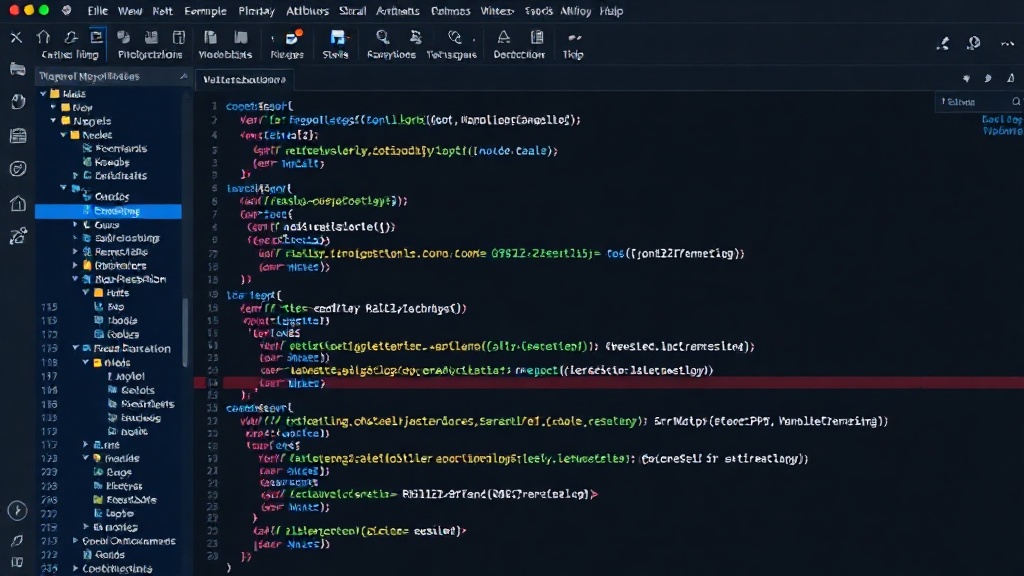
Laravel 13 introduces more granular control over queue job prioritization. Previously, developers had a basic system of `low`, `default`, and `high` priorities. The new system allows for numerical prioritization, enabling developers to define finely tuned queues for critical tasks. This is particularly useful in high-traffic applications where certain background jobs must be processed before others. For example, processing user sign-ups might be assigned a higher priority than sending out bulk newsletters. This enhancement can be implemented by assigning a numerical value to the `$priority` property on your job classes. The queue worker will then process jobs based on these assigned numerical values, ensuring that the most time-sensitive operations are handled first. This offers a more robust solution for managing background task execution, preventing bottlenecks and improving application responsiveness.
Improved Error Handling and Debugging
The framework's error handling capabilities have been bolstered in Laravel 13. A new `ExceptionHandler` middleware provides a more structured and consistent way to catch and report application errors. This middleware allows for custom error rendering based on request type (e.g., JSON for APIs, HTML for web pages) and provides more detailed context for debugging. Additionally, the `dd()` helper function has been enhanced to display more information, including the exact line of code where it was called and a more comprehensive stack trace. For developers working with complex applications, this richer debugging information can significantly cut down troubleshooting time. The integration with external logging services is also streamlined, allowing for easier integration with platforms like Sentry or Flare.
Native UUID Support for Eloquent
Laravel 13 now includes first-party support for using Universally Unique Identifiers (UUIDs) as primary keys in Eloquent models. Previously, developers had to implement custom solutions or rely on third-party packages. With this release, you can simply define your primary key as a UUID by setting the `$incrementing` property to `false` and ensuring your model uses a UUID cast. Laravel handles the generation and management of UUIDs automatically. This is a substantial improvement for applications requiring globally unique identifiers, distributed systems, or enhanced security by obscuring record counts. The framework provides utility functions for generating UUIDs, ensuring consistency and adherence to standards.
Streamlined Asset Compilation with Vite
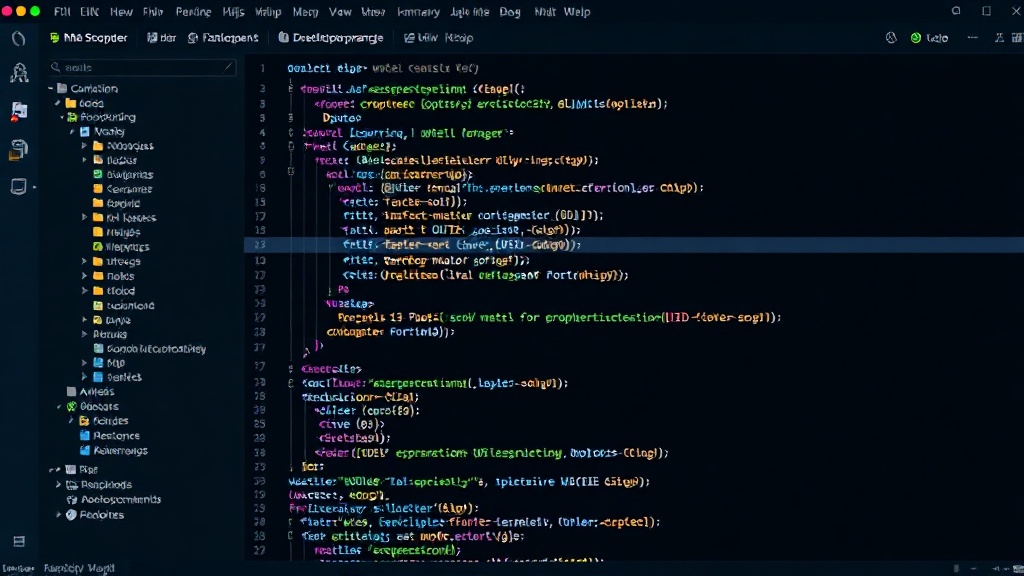
While Vite was introduced in earlier versions, Laravel 13 further refines its integration for asset compilation. The default configuration is optimized for faster build times and improved developer experience during frontend development. Configuration options are more straightforward, and the integration with Laravel Mix is maintained for those who prefer it, though Vite is now the recommended path. This means quicker feedback loops for frontend changes, leading to increased productivity for development teams. The setup for CSS preprocessors like Sass and Less, along with JavaScript module bundling, is more declarative, reducing the chance of configuration errors.
Conclusion: Focus on Production Readiness
Laravel 13 represents a mature and pragmatic evolution of the framework. By focusing on features like PHP attribute integration, enhanced queue management, improved debugging, native UUID support, and refined asset compilation, the release empowers developers to build more robust, maintainable, and performant applications. The deliberate choice to maintain backward compatibility with Laravel 12, aside from the PHP 8.3 requirement, ensures a smooth transition for most existing projects. This release underscores Laravel's commitment to providing tools that are not just powerful, but genuinely useful in the demanding environment of production software development.