LAPD Terminates Flock Contract Over Civil Liberties Concerns

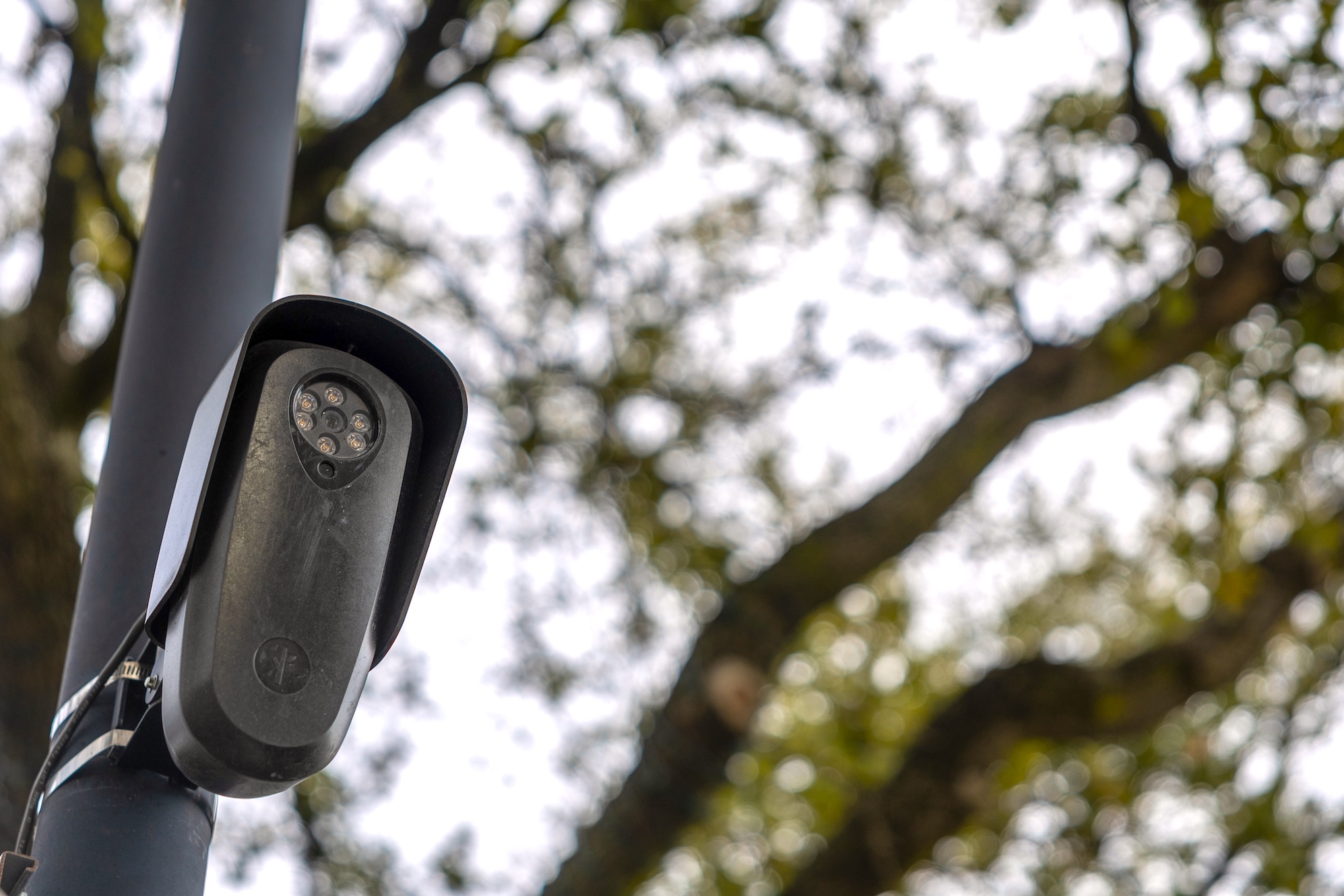
The Los Angeles Police Department (LAPD), a significant government client for surveillance technology firm Flock, has chosen not to renew its contract with the company. The decision, confirmed recently, stems from what the department cites as "serious concerns" regarding civil liberties and privacy. This move by one of the nation's largest police departments signals a growing unease among law enforcement agencies about the implications of widespread automated license plate reader (ALPR) technology. Flock's network, which boasts approximately 130,000 cameras across the United States, has increasingly drawn scrutiny from privacy advocates and lawmakers alike. The LAPD's decision is not an isolated incident but reflects a broader trend of re-evaluation regarding the deployment of such pervasive surveillance tools. While ALPR technology offers undeniable benefits in tracking vehicles and aiding investigations, the sheer volume of data collected and the potential for misuse or overreach have become central to the debate. The LAPD's statement, though brief, emphasizes a commitment to balancing public safety with the fundamental rights of individuals. This internal review process within the department likely involved extensive discussions about data retention policies, access controls, and the potential for the technology to be used for purposes beyond immediate law enforcement needs, such as tracking individuals' movements or associations. Flock, which markets its cameras as a tool to "see your world" and assist in locating stolen vehicles and apprehending suspects, has faced increasing opposition. The company's business model relies on providing law enforcement agencies with access to a vast, searchable database of license plate data captured by its network of cameras. This centralized data repository allows for rapid queries and the identification of vehicles of interest. However, critics argue that this creates a de facto national license plate tracking system, capable of monitoring the movements of millions of Americans without their knowledge or consent. The bipartisan nature of these concerns, spanning both liberal and conservative viewpoints, highlights the widespread apprehension about the expansion of government surveillance capabilities.
LAPD headquarters exterior with Flock camera equipment subtly visible

Broader Implications for ALPR Technology and Privacy

The LAPD's decision to let its Flock contract expire is a significant development that reverberates beyond Los Angeles. It suggests that even agencies that have embraced ALPR technology are now compelled to confront the ethical and legal quandaries it presents. The core of the issue lies in the inherent tension between the utility of such technology for crime fighting and the potential for it to erode privacy. Flock's cameras capture not just license plates but also make, model, and color of vehicles, along with timestamps and GPS coordinates. This granular data, when aggregated, can paint a detailed picture of an individual's daily life, including where they travel, who they meet, and when. Privacy advocates have long warned that ALPR systems, especially those linked into large, searchable databases, could be misused for purposes such as monitoring political protesters, tracking journalists, or even enabling stalking. The bipartisan pushback seen in states like Florida and Texas, as highlighted by recent efforts to block Flock cameras, underscores the growing realization that the benefits of mass surveillance must be weighed against the risks to civil liberties. These states are exploring legislative measures to restrict or ban the use of such technology, indicating a governmental response to public and expert concerns. The debate is no longer theoretical; it is playing out in real-world policy decisions. The LAPD's action will likely embolden other agencies and lawmakers to further scrutinize their own ALPR contracts and the vendors involved. Flock's business model, which relies on broad adoption by law enforcement, now faces a more challenging landscape. The company will need to address these mounting concerns about data security, potential for misuse, and the broader societal impact of its technology if it hopes to maintain its market position. The ability to search through a decade's worth of license plate data, as Flock reportedly allows, is a powerful capability that demands robust oversight and clear legal frameworks. What remains unclear is the extent to which other law enforcement agencies will follow the LAPD's lead. While some may see this as a cautionary tale, others might view the benefits of ALPR technology as outweighing the privacy risks, especially if robust internal policies are in place. The legal battles in Florida and Texas suggest that the future of Flock's operations, and indeed mass ALPR surveillance, may hinge on legislative action and court rulings. The technology itself is not inherently malicious, but its deployment and management are critical. The LAPD's decision, therefore, serves as a potent reminder that technological advancement in surveillance must proceed with caution, transparency, and a deep respect for the privacy rights of the public it serves. It is less about whether the cameras can find a suspect vehicle and more about who else, and what else, is being watched, and for how long. The question for developers building such systems, and for the agencies deploying them, is how to strike an acceptable balance. Can data be anonymized effectively? Can access be strictly limited and audited? Can retention periods be drastically reduced? The LAPD's move suggests that for now, with Flock's current offerings, the answer from their perspective is no.