A Royal Engagement with Artificial Intelligence
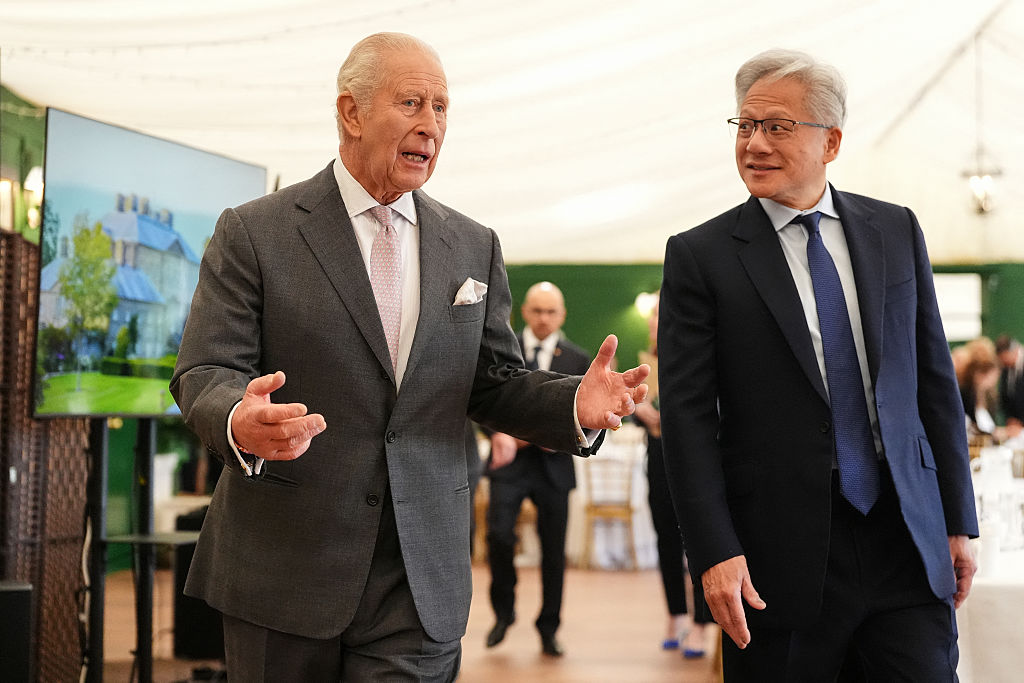
King Charles III recently convened a private summit at his Balmoral estate in Scotland, bringing together prominent figures from the artificial intelligence industry and the UK government. The gathering, held on a Thursday, aimed to foster discussion around the rapidly evolving landscape of AI. While the specifics of the agenda remain undisclosed, the attendees list reportedly included key innovators and policymakers tasked with shaping the UK's approach to artificial intelligence.
This high-profile meeting, however, has not been without its critics. Concerns have been raised regarding the 'secretive' nature of the summit. In an era where AI development and its societal implications are under intense scrutiny, many argue that such influential discussions should be more open and transparent. The lack of public information about the summit's objectives, participants, and outcomes has led to questions about accountability and the potential for opaque decision-making that could shape national AI strategy.
The Call for Transparency
The primary point of contention revolves around the clandestine nature of the event. Critics, including those commenting on platforms like Reddit's r/artificial, point out that a topic as critical and far-reaching as artificial intelligence warrants a more public discourse, especially when convened at the highest levels of the monarchy and government. The absence of a public record or detailed minutes from the summit leaves stakeholders, including the general public and the wider tech community, in the dark about the discussions and any potential directives that may have emerged.
This lack of transparency is particularly concerning given the profound societal impacts of AI. From job displacement and ethical considerations to national security and the very definition of human creativity, AI presents a complex web of challenges and opportunities. When discussions involving the monarch, government officials, and leading AI technologists occur behind closed doors, it fuels anxieties about whose interests are being prioritized and whether a balanced, inclusive approach to AI governance is being fostered. The summit's exclusivity contrasts sharply with the broad public interest in understanding and influencing the trajectory of AI development.
AI's Dual Nature: Promise and Peril
King Charles himself has previously expressed a degree of caution regarding artificial intelligence. While acknowledging its potential benefits, he has also voiced concerns about its rapid advancement and the need for careful consideration of its consequences. This nuanced perspective, shared by many experts, underscores the importance of open dialogue. The summit, by its very nature, could have served as a platform to explore these dual aspects of AI – its capacity to solve global challenges and its potential to exacerbate existing inequalities or introduce new risks.
However, the secretive format limits the ability to assess whether these considerations were adequately addressed. The summit's attendees likely represent a specific segment of the AI ecosystem, potentially overlooking a diversity of perspectives crucial for comprehensive AI policy. Without public insight, it is difficult to ascertain if the discussions focused on fostering innovation at the expense of ethical safeguards, or if a balanced approach to regulation and development was genuinely pursued. The Royal Family's involvement in such sensitive technological discussions also raises questions about the separation of constitutional duties and the influence of non-elected figures on policy.
Broader Implications for AI Governance
The incident highlights a recurring tension in the governance of emerging technologies: the balance between private consultation and public accountability. While private meetings can facilitate candid discussions among key stakeholders, an over-reliance on secrecy can undermine public trust and create an uneven playing field for those outside the inner circle. For the UK to establish a robust and equitable AI strategy, it requires broad input from researchers, ethicists, civil society, and the public, not just a select group of industry leaders and government representatives.
The condemnation over the summit's secrecy serves as a reminder that as AI becomes more integrated into our lives, the processes by which its development and regulation are guided must become more, not less, transparent. The public has a right to understand who is influencing AI policy and on what basis. The King's engagement, while potentially well-intentioned, has inadvertently cast a spotlight on the need for greater openness in high-level discussions about technologies that will shape our collective future.
The questions remain: What specific concerns did the King voice? What commitments, if any, were made by the AI leaders or government officials? And how will the insights from this private gathering translate into tangible policy or ethical guidelines for AI development in the UK? Without answers, the summit risks being perceived as an exercise in elite consensus-building rather than a genuine step towards responsible AI governance.