A New Paradigm for AI Pricing: Value After Output
Traditional usage-based APIs for AI models often charge based on input or output volume: tokens, calls, rows, or processing time. This model, while straightforward, can inadvertently incentivize verbosity. An AI that answers a question in four sentences might cost more than one that answers in one, even if the concise answer is superior. This creates a subtle but persistent pressure for models to generate more output than necessary, inflating costs for users.
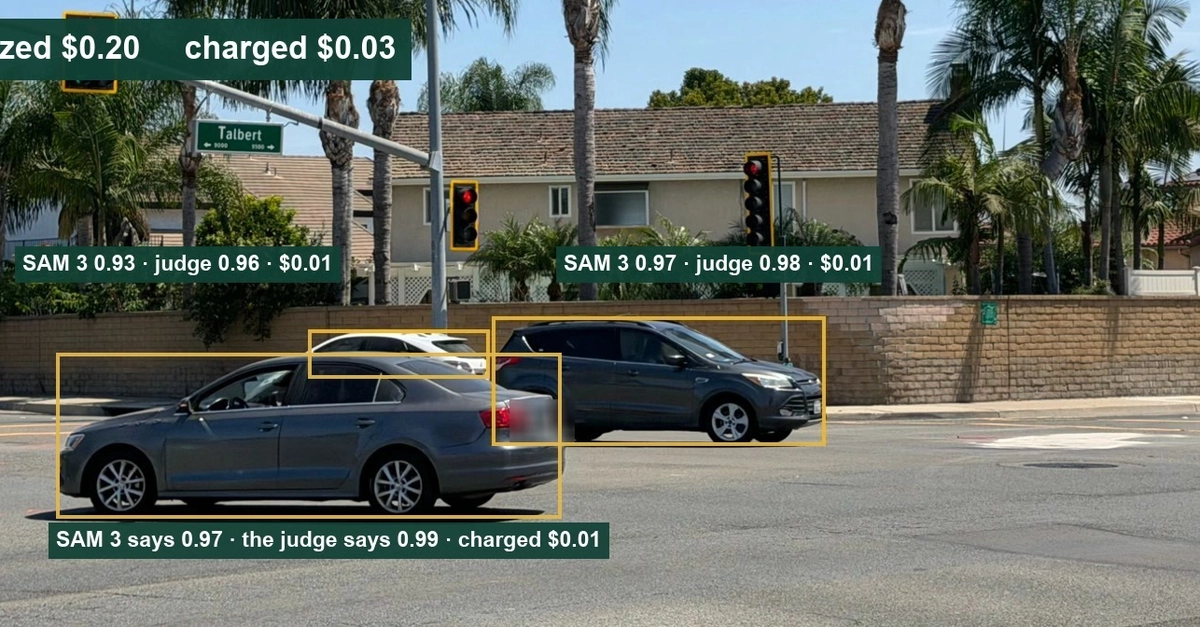
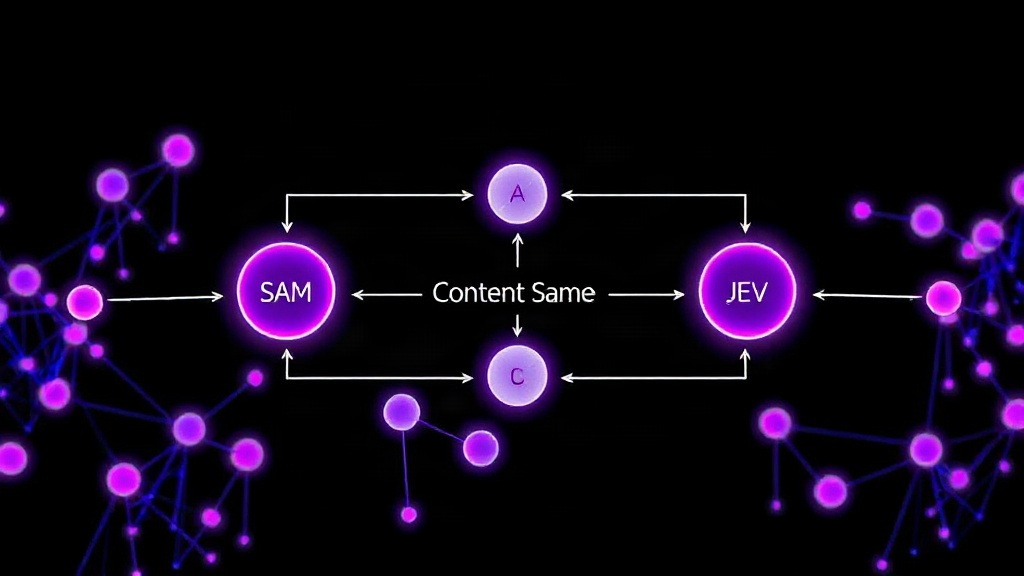
Now, a new approach is emerging, aiming to invert this paradigm. The core idea is to determine the value of AI-generated content after it has been produced, based on the quality of the result itself, rather than the quantity of resources consumed to generate it. This system leverages a two-part architecture: one component, nicknamed SAM 3, finds or generates the content, and a second, distinct AI model named Jev, acts as the arbiter of value.
This innovative payment layer allows for an initial authorization of a maximum spend ceiling before the work begins. After the AI-generated content is produced, the system then settles the actual cost, which is intended to be less than the authorized ceiling. The critical challenge, however, lies in determining how much less. This valuation must be rapid enough to be incorporated into the transaction process and, crucially, must be performed by an entity separate from the one that generated the content. This separation ensures an objective assessment, free from the self-serving biases of the generative model.
The Jev Model: An AI Judge of Value
Jev, described as a System One model, is at the heart of this new valuation system. System One, developed by the AI research company Typesafe, is designed for complex reasoning and decision-making. In this context, Jev receives the state of the system and typed questions, and its task is to assess the quality and value of the output provided by SAM 3. This process is not about simply counting words or tokens; it's about understanding the content and assigning a monetary worth based on its perceived utility or significance.
The initial implementation involved what the creator describes as getting it wrong. One of the first attempts at valuation involved rounding the distribution of potential values. This approach, however, proved insufficient. The core product of this system is not merely the generated content, but the intelligent valuation of that content. A simple rounding mechanism fails to capture the nuanced quality that a sophisticated AI judge could discern.
The challenge of defining and quantifying 'value' for AI-generated output is multifaceted. Unlike physical goods or services with established market prices, the worth of AI-generated text, code, or analysis can be subjective and context-dependent. Jev's role is to bring a degree of objective assessment to this subjective domain. This could involve evaluating factors such as accuracy, relevance, novelty, conciseness, and the potential impact of the information provided.
Decoupling Cost from Consumption
The implications of this shift are significant for how users interact with and pay for AI services. By decoupling the cost from raw consumption metrics like token count or API calls, this model aligns pricing more directly with the actual utility derived by the user. This can lead to more predictable and potentially lower costs for users who can elicit high-quality, concise answers from AI models.
For developers and businesses integrating AI into their workflows, this offers a more transparent and potentially cost-effective pricing structure. Instead of paying for every token processed, they pay for the perceived value of the AI's contribution. This could encourage more efficient prompting and a focus on achieving desired outcomes rather than simply maximizing output length. The authorization-before-work model also provides a crucial budget control mechanism, preventing unexpected cost overruns.
The success of this model hinges on Jev's ability to consistently and accurately assess value across a wide range of AI-generated outputs. If Jev can reliably assign fair prices that reflect the true worth of the content, this approach could become a standard for future AI service pricing. It represents a move towards a more intelligent and user-centric billing system in the rapidly evolving AI landscape.
Future Directions and Challenges
While this system offers a promising alternative to current pricing models, several challenges remain. The definition of 'value' itself can be a moving target, depending on the specific application and user needs. Developing a robust and adaptable valuation framework for Jev is paramount. Furthermore, ensuring the security and integrity of the payment settlement process, especially when dealing with automated AI arbitration, will be critical.
The broader impact could extend to how AI models are trained and optimized. If value is assessed post-generation, there might be an increased emphasis on training models to produce high-quality, concise, and relevant outputs, rather than simply maximizing token generation. This could lead to more efficient and effective AI systems overall.
The experiment by the creator of SAM 3 and Jev signifies a thoughtful exploration into a more equitable and intelligent AI economy. As AI becomes more integrated into daily workflows, the methods by which we pay for its capabilities must evolve. This Jev-based valuation system is a compelling step in that direction, moving beyond simple consumption metrics to a more sophisticated understanding of AI-driven value.