
The Problem with One-Size-Fits-All Media
In today's digital landscape, a pervasive assumption underlies most web and system design: users interact with technology uniformly. This one-size-fits-all approach fails to account for the diverse needs of individuals, particularly those with invisible disabilities. These users often struggle to navigate media and digital content in ways that align with their unique preferences and requirements. The burden falls on the user to adapt to the technology, rather than the technology adapting to the user. This is the fundamental problem that the IRIS project aims to solve.
Introducing IRIS: A Personalized Accessibility Companion
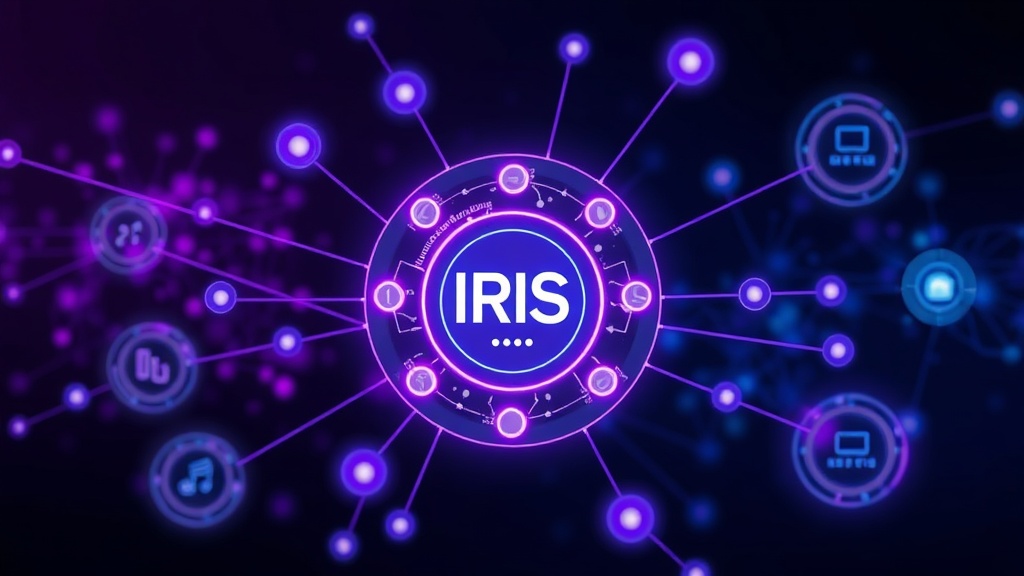
IRIS is conceived as an adaptive accessibility companion. Its core mission is to empower individuals with invisible disabilities by providing a personalized media navigation experience. Unlike existing systems that offer generic accessibility features, IRIS is designed to dynamically adjust to individual user needs. The project's ambition is to shift the paradigm from user adaptation to system adaptation.
The project, initiated by developer Bernadette Akinyi, is being built alongside her continued learning in Go and backend development. This dual focus means that not only is IRIS intended to be a functional tool, but it also serves as a practical learning ground for advanced software engineering concepts. The development process will involve designing the database, crafting the API, and building the backend infrastructure, with progress to be shared publicly.
Key Features and Adaptability
At its heart, IRIS will offer a suite of customizable accessibility features. These include, but are not limited to:
- Text-to-Speech Personalization: Users will be able to configure voice type, speed, and pitch to their optimal listening experience.
- Color Themes: A range of carefully designed color themes will be available, catering to various visual sensitivities, including those with color blindness or photophobia.
- Layout Adjustments: IRIS will allow users to modify content layouts, potentially adjusting font sizes, line spacing, and element spacing to improve readability and reduce cognitive load.
- Other Accessibility Features: The project envisions incorporating other adaptive elements as development progresses, responding directly to user feedback and identified needs.
The adaptive nature of IRIS means that these features will not be static presets. Instead, IRIS will learn and adjust based on user interactions and explicit preferences. This proactive adaptation is what distinguishes IRIS from more passive accessibility tools. Think of IRIS less like a fixed toolkit and more like a thoughtful assistant who learns your preferences over time and anticipates your needs when presenting digital content.
Development Roadmap and Community Involvement
The development of IRIS is structured around Bernadette Akinyi's ongoing learning journey in Go and backend technologies. This approach ensures that the project benefits from modern development practices and robust engineering. The initial phases will focus on establishing a solid foundation:
- Database Design: Architecting a flexible and scalable database to store user profiles and their unique accessibility preferences.
- API Development: Creating a well-defined API that will allow front-end applications or browser extensions to interact with IRIS's personalization engine.
- Backend Implementation: Building the core logic that processes user data and dynamically modifies content presentation.
Akinyi plans to document and share the development progress, offering insights into the challenges and solutions encountered. This transparency is intended to not only keep potential users and supporters informed but also to contribute to the broader developer community by sharing practical applications of backend development and accessibility principles.
The Future of Adaptive Accessibility
The ambition behind IRIS extends beyond a single application. The long-term vision is to create a framework that can be integrated into various platforms and services. By prioritizing user preference and adaptive technology, IRIS could set a new standard for inclusive digital design. The project highlights a critical gap in current digital accessibility: the need for systems that truly cater to the individual, especially those whose needs are not immediately apparent. As the digital world becomes more integrated into daily life, tools like IRIS will be crucial for ensuring equitable access and a more inclusive online experience for everyone.
The success of IRIS will hinge on its ability to provide meaningful, tangible improvements for users with invisible disabilities. If it can deliver on its promise of adaptation, it represents a significant step forward in making the digital world more accessible and user-centric. The project also raises a broader question: what happens when more software development is driven by the principle of adaptation rather than standardization? The implications for user experience, inclusivity, and the very definition of digital design could be profound.