The Shift from Intuition to Intelligence in Engineering
Engineering has long relied on a blend of scientific principles and experienced intuition. Engineers, armed with deep domain knowledge, often make critical decisions based on a combination of established best practices and what their gut tells them. This approach, while effective for decades, has inherent limitations. It can lead to suboptimal designs, prolonged development cycles, and missed opportunities for innovation. The advent of sophisticated data analytics and artificial intelligence presents a paradigm shift: the move towards 'Intelligent Engineering.' This isn't merely about faster calculations; it's a fundamental transformation in how engineering problems are approached, moving from educated guesses to demonstrably data-driven choices.
At its core, Intelligent Engineering is a methodology that leverages data, advanced algorithms, and AI to augment and, in some cases, automate decision-making processes throughout the engineering lifecycle. This includes everything from conceptual design and simulation to verification and manufacturing. The goal is to achieve greater precision, efficiency, and predictability, ultimately leading to superior products and faster time-to-market. The transition is driven by several factors: the increasing complexity of modern systems, the vast amounts of data generated at every stage of development, and the availability of powerful computational tools that can process this data at scale.
Core Components of Intelligent Engineering
The transformation into Intelligent Engineering is not a single, monolithic change but rather an evolution built upon several key pillars. These components work in concert to create a more robust and responsive engineering ecosystem.
Data-Centric Design and Simulation
Traditional engineering often involves iterative design and simulation cycles where engineers adjust parameters based on experience and observe the results. Intelligent Engineering elevates this by making data the central element. Instead of simply running simulations, engineers capture and analyze detailed performance data from each simulation run. This data can then be used to train machine learning models that predict design outcomes with higher accuracy and speed. For instance, instead of running thousands of simulations to find an optimal material composition, an ML model trained on previous simulation data can predict the best candidates in a fraction of the time. This approach is akin to a chef not just tasting a dish, but meticulously recording every ingredient, cooking time, and temperature, then using that log to perfectly replicate and improve the recipe every time.
AI-Powered Optimization
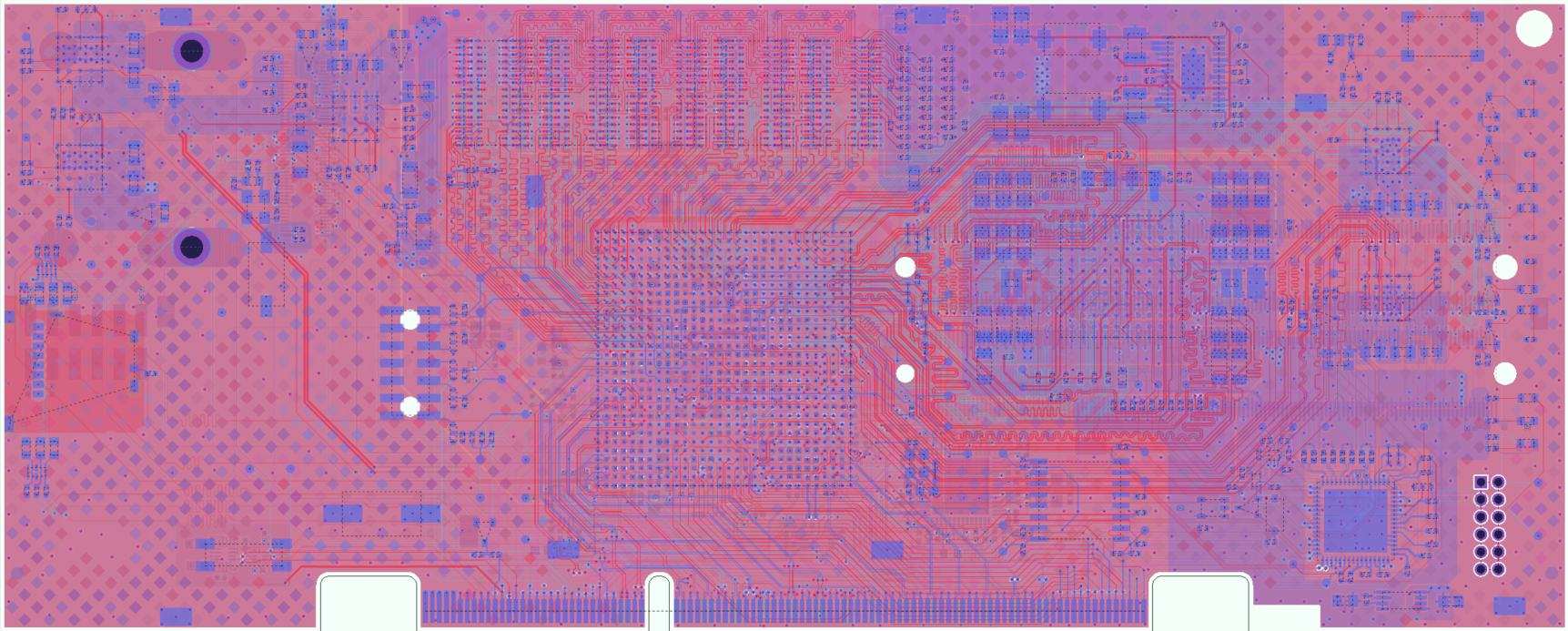
Optimization has always been a goal in engineering, but 'intelligent' optimization takes it further. Algorithms, particularly those powered by AI and machine learning, can explore vast design spaces that would be impossible for humans to navigate. These algorithms can identify non-obvious correlations and trade-offs between different design parameters, leading to solutions that are not only efficient but also novel. For example, in chip design, AI can explore millions of possible routing paths to minimize power consumption and signal delay simultaneously, a task that would overwhelm manual efforts. This moves beyond finding the 'best' solution within a known set of possibilities to discovering potentially superior solutions that might not have been considered through traditional methods.
Predictive Analytics for Reliability and Manufacturing
The benefits of Intelligent Engineering extend beyond the design phase into manufacturing and product lifecycle management. By analyzing data from production lines and field usage, predictive analytics can forecast potential equipment failures, identify manufacturing defects before they become widespread, and even predict product lifespan. This allows for proactive maintenance, reduced scrap rates, and improved product reliability. Imagine a system that flags a batch of components as likely to fail based on subtle variations detected during manufacturing, preventing costly returns and customer dissatisfaction down the line. This is the power of applying data intelligence to the physical world.
Automated Verification and Validation
Verification and validation are often the most time-consuming and error-prone stages of engineering. Intelligent Engineering seeks to automate these processes through AI-driven testing and analysis. AI can generate more comprehensive test cases, identify edge cases that human testers might miss, and analyze test results more effectively. This not only speeds up the verification process but also increases confidence in the final product's correctness and performance. For complex software or hardware systems, AI can sift through millions of lines of code or design specifications to pinpoint potential issues, acting as an tireless, hyper-vigilant quality assurance team.
The Impact and Challenges of Intelligent Engineering
The adoption of Intelligent Engineering promises significant advantages. For engineers, it means less time spent on tedious manual tasks and more time on creative problem-solving and innovation. For companies, it translates to faster development cycles, higher quality products, reduced costs, and a stronger competitive edge. The ability to make decisions based on robust data rather than intuition reduces risk and increases the likelihood of success.
However, the transition is not without its challenges. It requires a significant investment in new tools, infrastructure, and, most importantly, talent. Engineers need to acquire new skills in data science, machine learning, and AI. There is also a cultural shift required, moving away from traditional hierarchical decision-making towards a more collaborative, data-informed environment. Building trust in AI-driven recommendations and ensuring data privacy and security are also critical hurdles. What nobody has addressed yet is the long-term impact on engineering education and the curriculum needed to prepare the next generation of 'intelligent engineers'.
The Future is Data-Driven
Intelligent Engineering represents a fundamental evolution in how we design, build, and maintain the complex systems that shape our world. By moving beyond educated guesses and embracing data-driven decision-making, engineering disciplines can achieve unprecedented levels of efficiency, accuracy, and innovation. As AI and data analytics continue to mature, the principles of Intelligent Engineering will become not just an advantage, but a necessity for any organization aiming to stay at the forefront of technological advancement.