Automating the Tedium of Reel Creation
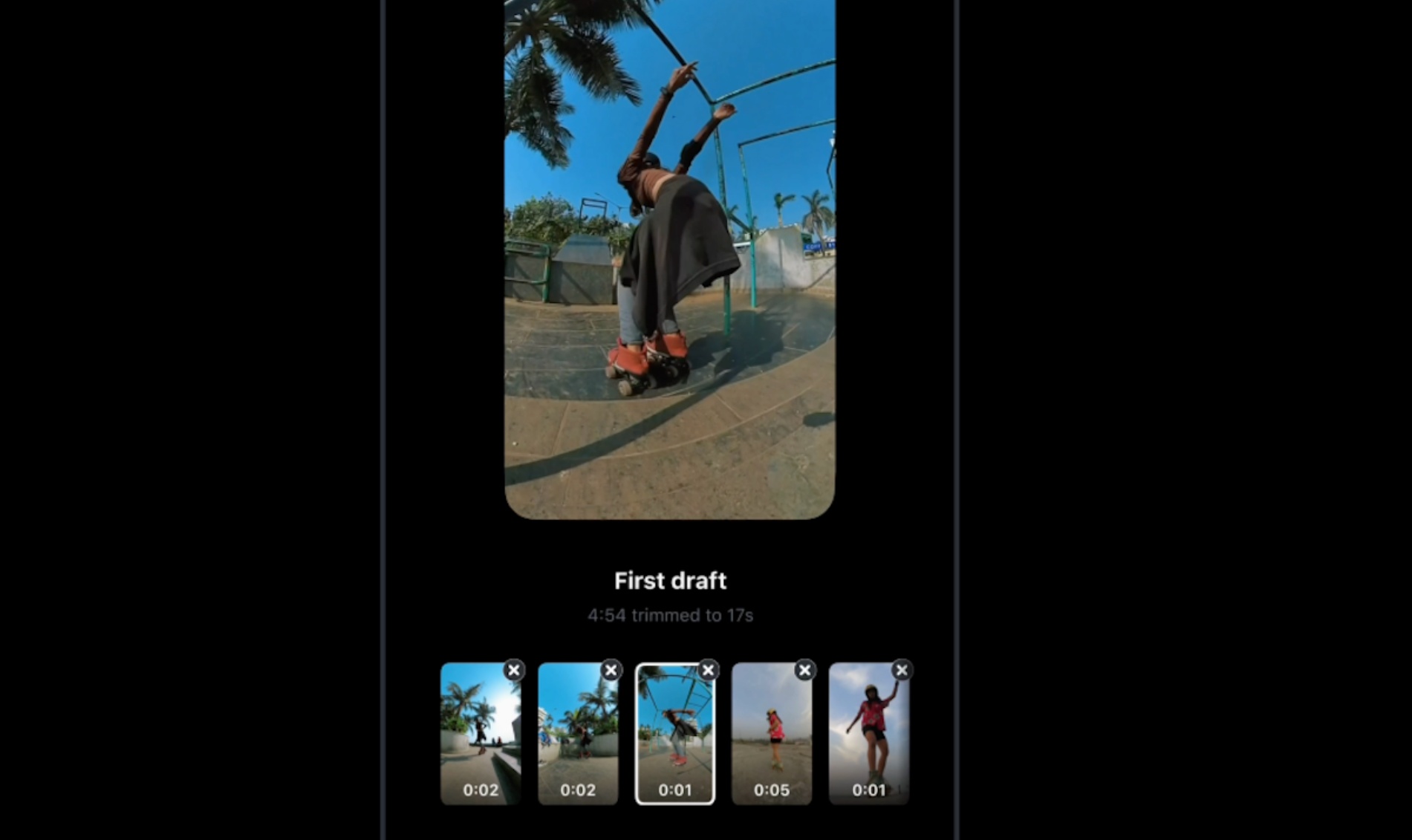
Instagram is tackling a common pain point for content creators: the time-consuming process of video editing. The platform has introduced a new feature called First Draft, designed to significantly speed up the initial stages of creating Reels. According to Instagram's own claims, this feature can automate basic editing tasks and deliver a usable starting point for a Reel in as little as ten seconds.
The core functionality of First Draft is to streamline the process by automatically cutting out pauses and trimming unnecessary segments within video clips. This means creators no longer need to meticulously go through each clip, frame by frame, to remove silences or awkward dead space. Instead, First Draft provides an already-edited foundation, allowing creators to focus their energy on more creative aspects like adding effects, music, or text overlays.
This move by Instagram signals a deeper understanding of the creator economy and the challenges faced by those producing short-form video content. While Reels have seen immense growth, the production overhead has remained a significant barrier for many. By offering a tool that drastically reduces the time spent on foundational editing, Instagram aims to lower this barrier and encourage more frequent and higher-quality content creation on its platform. The goal is to make the creation process less about tedious manual labor and more about creative expression.
How First Draft Works (and What It Doesn't)
First Draft is not intended to be a full-fledged video editor. Its purpose is to handle the most repetitive and time-intensive aspects of initial editing. When a user uploads multiple clips for a Reel, First Draft analyzes them to identify and remove silences, stutters, and other non-essential moments. It then stitches the remaining segments together into a coherent sequence.
The ten-second timeframe Instagram cites is for this automated trimming and cutting process. This means that the raw, edited footage is ready for further refinement almost immediately. Creators can then take this automatically generated draft and build upon it. This could involve adding trending audio, applying visual filters, incorporating text and stickers, or even making further manual cuts and adjustments if desired. The feature aims to provide a significant head start, transforming a process that could previously take minutes or even hours into a matter of seconds.
It's crucial for creators to understand that First Draft is a preliminary tool. It provides a structural edit, not a polished final product. The quality of the automatic edits will likely depend on the source material – clear, well-lit, and consistently framed clips will yield better results. Creators will still need to exercise their editorial judgment to ensure the final Reel flows well, maintains viewer engagement, and aligns with their creative vision. The feature is designed to augment, not replace, the creator's role in the editing process.
Implications for Creators and the Platform
The introduction of First Draft has several key implications for Instagram's user base. For aspiring creators or those with limited editing experience, this feature democratizes Reel creation further. It removes a technical hurdle that might have previously discouraged them from experimenting with video content. Now, anyone with a smartphone and an idea can potentially produce a decent-looking Reel with minimal editing effort.
For established creators, First Draft offers a significant efficiency boost. The time saved on initial edits can be reinvested into other aspects of content strategy, such as brainstorming new ideas, engaging with their audience, or developing more complex visual effects. This increased efficiency could lead to a higher volume of content being produced, potentially driving greater engagement across the platform. It also allows creators to experiment more freely, knowing that the time investment for each piece of content is reduced.
From Instagram's perspective, features like First Draft are essential for competing in the short-form video space. Platforms like TikTok have set high expectations for ease of creation and rapid content turnover. By equipping its users with tools that facilitate quicker content production, Instagram aims to retain and attract creators, ensuring a steady stream of fresh, engaging Reels that keep users on the app longer. This focus on improving the creator experience is a strategic imperative for maintaining platform relevance and growth.
The Future of AI in Content Creation Tools
First Draft represents another step in the growing integration of artificial intelligence into content creation workflows. While not explicitly detailed as an AI feature by Instagram, the automation of identifying and cutting pauses strongly suggests the use of AI-powered speech and silence detection algorithms. This is part of a broader trend where AI tools are becoming indispensable for tasks ranging from video editing and image generation to scriptwriting and content summarization.
The success of First Draft could pave the way for more sophisticated AI-driven editing features on Instagram and other platforms. Imagine AI that can suggest optimal clip sequencing based on narrative flow, automatically sync video to music beats, or even generate B-roll footage to fill gaps. As AI models become more capable and accessible, the line between manual editing and automated assistance will continue to blur.
What remains to be seen is how well First Draft scales with diverse content types and languages. Will it perform equally well on highly stylized, fast-paced edits as it does on straightforward vlogs? The true test will be in its real-world application across the vast spectrum of content creators on Instagram. If it proves reliable and effective, it could fundamentally change how short-form video content is produced, making sophisticated editing accessible to everyone in a matter of seconds.