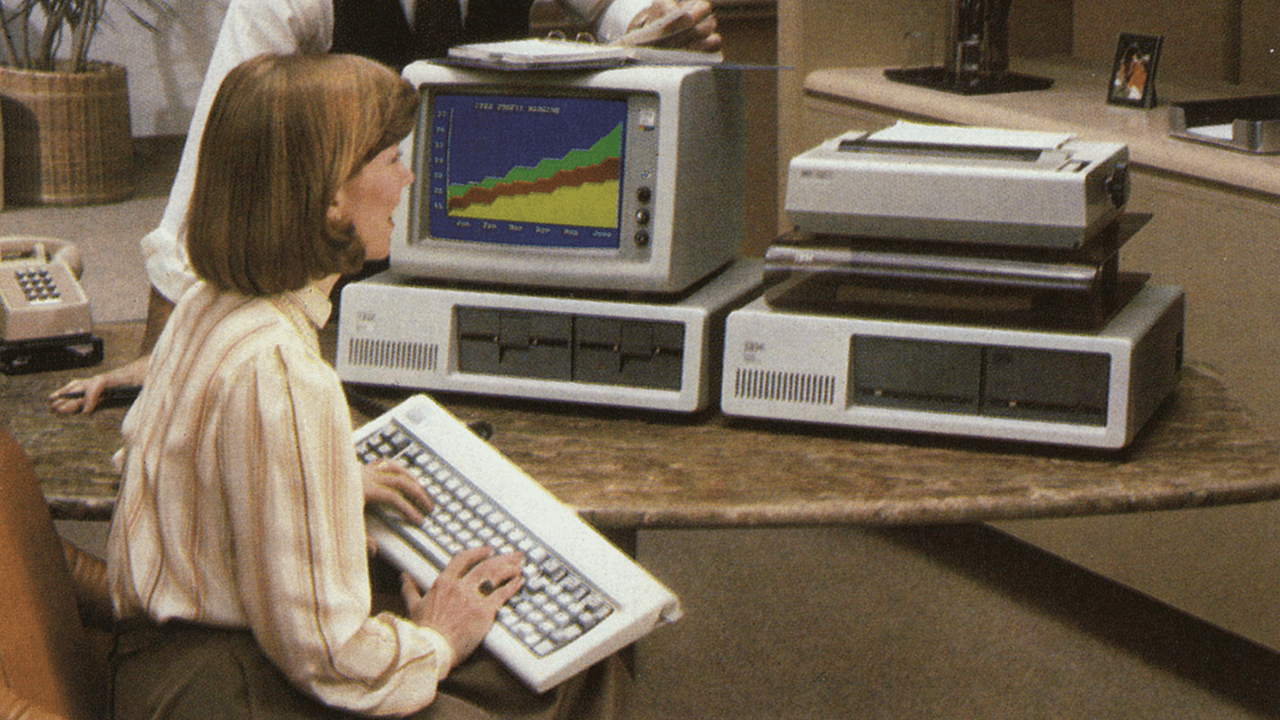
A Milestone in Computing History
This year marks the 45th anniversary of the IBM Personal Computer, a machine that fundamentally reshaped the technological landscape. Launched on August 12, 1981, the IBM PC was not merely another computer; it was a catalyst that democratized computing and laid the groundwork for the modern digital age. Its release signaled a shift from expensive, proprietary mainframes to accessible, modular systems that businesses and individuals could afford and adapt. The success of the IBM PC was amplified by its open architecture, a decision that encouraged third-party development and fostered a vibrant ecosystem of hardware and software.
Alongside the PC, IBM introduced its Model F keyboard, a sturdy, reliable, and remarkably tactile input device that became synonymous with the early era of personal computing. For many, the 'click-clack' of the Model F keyboard is an auditory memory tied directly to the dawn of the PC revolution. This keyboard, particularly the variant found in the IBM PC XT, is revered not just for its durability but for its superior typing experience, a stark contrast to the often mushy or uninspired keyboards that followed.
The Unsung Hero: The Model F/XT Keyboard
While the IBM PC itself was a triumph of engineering and marketing, the Model F keyboard, especially the version paired with the IBM PC XT, deserves its own spotlight. These keyboards were built with an uncompromising commitment to quality. Constructed with heavy-duty plastics and featuring robust buckling spring mechanisms, they were designed to last for decades. The tactile feedback and audible report of each keystroke provided a satisfying confirmation of input, a feature many users today still seek out.
The Model F keyboard's design was instrumental in establishing user expectations for input devices. Its layout, keycap profiles, and the distinct feeling of each press set a standard that, while often emulated, is rarely matched. The XT version, in particular, is often cited as the pinnacle of this design, featuring a layout that many find more ergonomic and efficient than later iterations. The sheer weight and build quality of these keyboards meant they stayed put on a desk, a small but significant detail that contributed to their overall user experience. They were less an accessory and more an integral part of the computing experience.
The mechanical switches within the Model F are a marvel of engineering. Unlike modern membrane keyboards, the buckling spring mechanism provides a definitive actuation point. When the spring buckles, it triggers a switch, sending a signal to the computer. This process is accompanied by a distinct sound and a tactile bump, giving typists immediate confirmation that their input has been registered. This was crucial in an era when typing speed and accuracy were paramount, and users relied on physical feedback to maintain workflow. The durability of these switches is legendary; many Model F keyboards from the early 1980s are still in active daily use today, a testament to their robust construction.
The physical design of the Model F/XT keyboard also contributed to its iconic status. Its substantial weight, due to a metal plate within the chassis, prevented it from sliding around during intense typing sessions. The keycaps were typically made of high-quality PBT plastic, known for its durability and resistance to developing a shine over time. The sculpted profile of the keycaps further enhanced typing comfort and accuracy. These were not disposable peripherals; they were built like tanks, designed for professional use and longevity.
The influence of the Model F keyboard extends far beyond its initial production run. It sparked the modern mechanical keyboard enthusiast community, a dedicated group who seek out, restore, and even replicate these vintage designs. The sound, feel, and reliability of the Model F have become benchmarks against which new keyboards are measured. Companies have attempted to capture its essence, but the authentic Model F experience remains unique, a tangible link to computing's formative years.
Enduring Legacy and Modern Relevance
Forty-five years on, the IBM PC and its companion, the Model F/XT keyboard, are more than just historical artifacts. They represent a pivotal moment when computing transitioned from a specialized tool to a ubiquitous necessity. The principles of modularity, open architecture, and user-centric design that the IBM PC embodied continue to influence technology development today. The keyboard, in particular, has seen a resurgence in popularity among developers, writers, and anyone who spends significant time typing, as they seek out the superior ergonomics and tactile satisfaction that the Model F pioneered.
The enduring appeal of the Model F/XT keyboard lies in its uncompromising build quality and its exceptional typing experience. It’s a piece of hardware that feels substantial, reliable, and deeply satisfying to use. In an era of increasingly disposable electronics, the longevity of the Model F serves as a powerful reminder of what can be achieved with thoughtful design and robust engineering. Its legacy is not just in the millions of PCs it powered, but in the tactile memory it imprinted on a generation and the continued inspiration it provides to hardware designers and enthusiasts worldwide.
The story of the IBM PC and its Model F/XT keyboard is a narrative of innovation, quality, and lasting impact. It’s a story that resonates with anyone who has ever experienced the satisfying click of a well-made mechanical keyboard or benefited from the computational power that began with a simple, yet profound, personal computer.