Hunter-Base-Intelligence: Local On-Chain Analysis for Base EVM
A new open-source project, Hunter-Base-Intelligence (v17 Plus), offers a fully local-only cryptocurrency intelligence dashboard designed for the Base blockchain. Developed by shbadrconsultingsource, this tool scans Decentralized Exchange (DEX) tokens, assigns scores based on multi-factor logic, and simulates a paper-trading shadow portfolio. The core principle is to provide robust on-chain analysis without compromising user privacy or security.
Traditional on-chain analytics platforms often demand sensitive private keys, risk leaking user data, or depend on slow, paid external infrastructure. Hunter-Base-Intelligence sidesteps these issues by operating entirely locally. It requires no wallet connections, no seed phrases, and ensures all data remains on the user's machine. The analysis is performed using a stack of Python, Flask, and SQLite, providing a transparent and secure environment for traders and developers alike.
Core Architecture and Scan Cycle
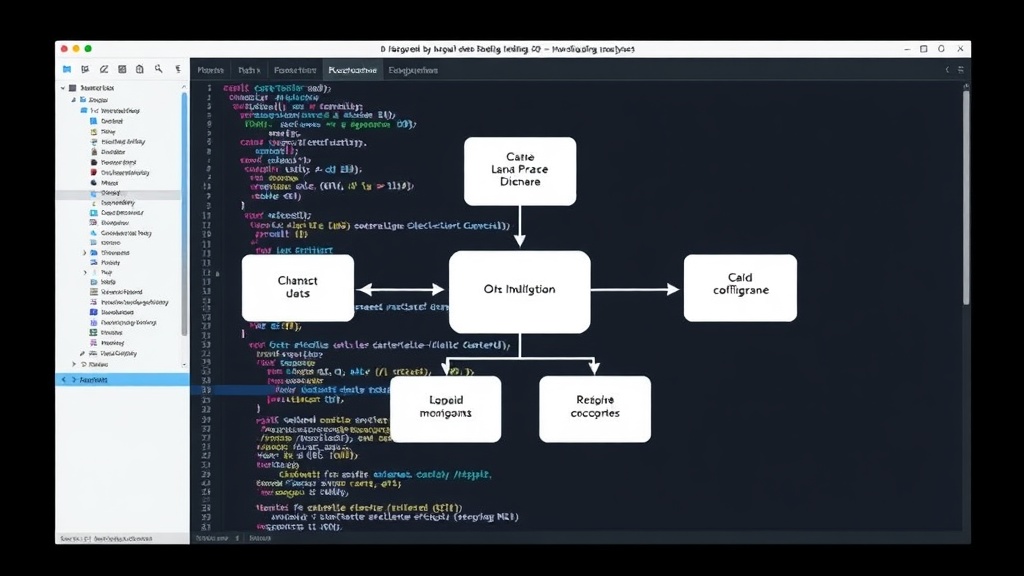
The Hunter-Base-Intelligence ecosystem operates on a continuous scan cycle, with updates approximately every 60 seconds. This rhythm ensures near real-time data processing for the Base EVM chain.
Scanner Module (`scanner.py`)
The process begins with scanner.py. This script is responsible for discovering active and newly created tokens on the Base network. It leverages DexScreener's API to identify potential trading opportunities. By monitoring DexScreener, the scanner can detect tokens that are gaining traction or have just launched, providing an early look at market activity.
Token Information Retrieval
Once potential tokens are identified, the system proceeds to gather detailed information about them. This includes fetching essential data such as:
- Contract Address: The unique identifier for the token on the Base blockchain.
- Name and Symbol: The human-readable name and ticker symbol of the token.
- Total Supply: The total number of tokens in existence.
- Trading Volume: Current and historical trading volumes across various DEXs.
- Liquidity: The amount of liquidity available for the token.
- Market Cap: The total market value of the token.
- Holder Count: The number of unique addresses holding the token.
- Transaction History: A record of recent buy and sell orders.
This data forms the foundation for the scoring and simulation modules.
Scoring Logic and Intelligence Dashboard
Hunter-Base-Intelligence employs a sophisticated multi-factor scoring system to evaluate the potential of discovered tokens. This logic is designed to identify tokens with characteristics indicative of legitimate projects or potential upward price movement, while filtering out scams or low-utility tokens. The scoring factors are continuously refined and are not publicly detailed to maintain the system's edge.
The intelligence dashboard presents this analyzed data in an accessible format. Users can view:
- Token Scores: An aggregated score for each token based on the defined logic.
- Key Metrics: A summary of the critical on-chain data points for quick assessment.
- Trend Analysis: Visualizations showing trading volume, price action, and holder growth over time.
- New Token Alerts: Notifications for newly launched tokens that meet certain initial criteria.
This dashboard serves as the primary interface for users to interact with the scanner's findings, allowing them to make informed decisions without direct trading risk.
Paper-Trading Simulation Engine
Complementing the scanning and scoring capabilities, Hunter-Base-Intelligence includes a paper-trading engine. This module simulates a shadow portfolio, allowing users to test trading strategies against real-time market data without risking actual capital.
The simulation engine operates by:
- Strategy Definition: Users can define basic trading strategies based on token scores, volume surges, or other metrics identified by the scanner.
- Simulated Trades: When a token meets the criteria of a defined strategy, the engine simulates a buy or sell order at the current market price.
- Portfolio Tracking: The simulated portfolio's performance is tracked, including unrealized gains/losses, entry prices, and exit points.
- Performance Analysis: The engine provides reports on the effectiveness of tested strategies, highlighting profitable and unprofitable trades.
This feature is invaluable for backtesting and refining trading approaches before committing real funds. The local-only nature ensures that these simulations are private and do not interact with live exchanges.
Technical Stack and Local Operation
The project is built with a focus on simplicity, security, and performance. The chosen technologies are:
- Python: The primary programming language, offering a rich ecosystem of libraries for data analysis and web development.
- Flask: A lightweight Python web framework used to build the dashboard's API and user interface.
- SQLite: A serverless, self-contained SQL database engine used for storing all scanned token data and portfolio information locally.
- DexScreener API: Utilized for real-time token discovery and market data.
By relying on SQLite, the entire database resides within a single file, making setup and management straightforward. The absence of external dependencies beyond the standard Python libraries and the DexScreener API means the tool is highly portable and easy to deploy on any machine capable of running Python. This local-first approach is key to the project's value proposition, especially in an environment where data privacy and security are paramount.
Future Development and Community Contribution
The project is open-source, encouraging community involvement and contributions. Future development plans may include more sophisticated scoring algorithms, expanded data sources, advanced strategy backtesting, and potential integrations with other local tools. Developers interested in on-chain analysis, DEX trading, or building privacy-focused tools are invited to explore the codebase, report issues, and suggest enhancements. The project aims to be a community-driven resource for anyone looking to gain deeper insights into the Base EVM ecosystem without compromising their digital security.