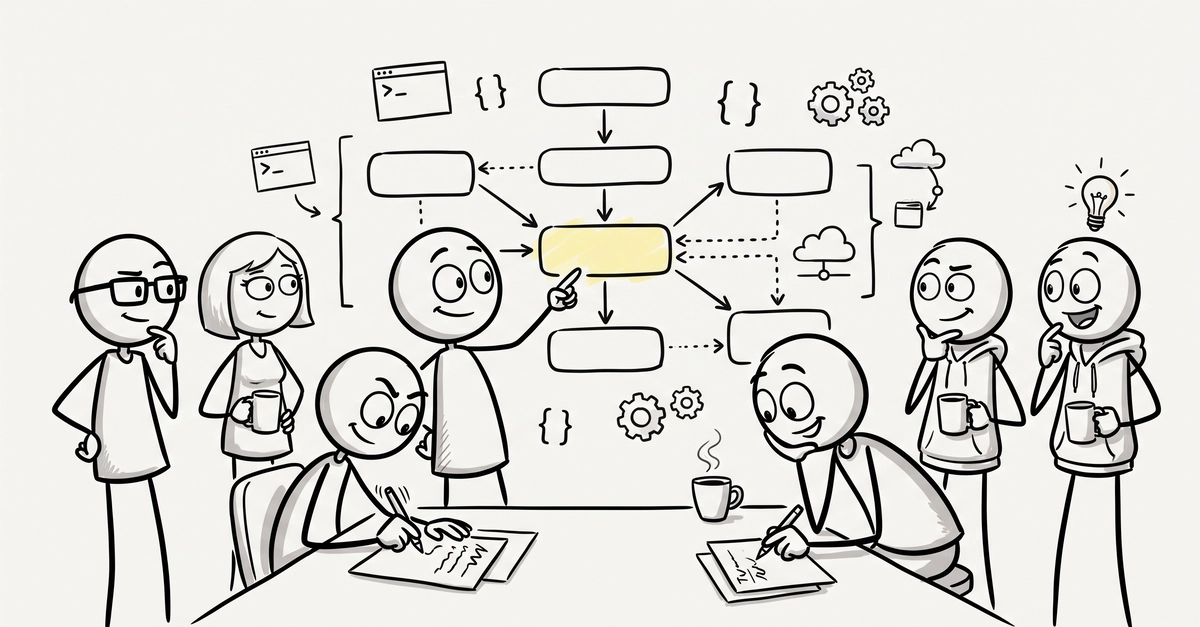
The Art and Science of Software
Software development is often perceived as a purely logical discipline, a domain governed by strict rules, algorithms, and code. However, a recent class on "Humanistic Architecture" by Mr. Chakrit Riddhagni challenges this narrow view, proposing that software creation is as much an art as it is a science. This perspective, rooted in humanistic principles, suggests that the most enduring and impactful software is crafted with artistry, imagination, and a deep understanding of human needs, grounded in unshakeable logic.
The core belief presented is that software development is a dualistic endeavor: a science demanding precision and a systematic approach, and an art offering boundless creative expression. This duality is encapsulated by the quote, "Crafting software requires artistry, guided by imagination, grounded in logic, endlessly enduring." This isn't merely a poetic notion; it's a call to developers to embrace a more holistic approach to their craft.
The scientific aspect of software development is undeniable. It involves rigorous problem-solving, understanding complex systems, and adhering to established principles of engineering. Debugging, optimization, and scalability all fall under this scientific umbrella. Yet, the artistic side is where true innovation often lies. It's about envisioning solutions that don't yet exist, designing elegant user experiences, and structuring code in ways that are not only functional but also beautiful and maintainable. This artistic sensibility allows developers to move beyond merely fulfilling requirements to creating software that delights users and stands the test of time.
Consider the analogy of building a physical structure. Architects don't just follow blueprints; they consider aesthetics, the flow of people, the impact on the environment, and the emotional resonance of the space. Similarly, humanistic architecture in software development encourages developers to think about the user's journey, the ethical implications of their code, and the long-term maintainability and evolution of the software. It’s about building not just functional systems, but systems that serve humanity in a meaningful and thoughtful way.
Deconstructing Problems with Humanistic Principles
Applying humanistic principles to software development means shifting the focus from purely technical specifications to the human element at every stage. This involves understanding the context in which the software will be used, the needs and desires of the people who will interact with it, and the broader societal impact of the technology.
When faced with a problem, a humanistic approach encourages a deeper level of analysis. Instead of immediately jumping to coding a solution, developers are prompted to ask: What is the real problem we are trying to solve? Who are we solving it for? What are their underlying needs, not just their stated requirements? This might involve user interviews, ethnographic research, or simply more extensive stakeholder discussions. It's about treating the problem not as a set of technical constraints, but as a human challenge that requires a human-centered solution.
This deeper understanding allows for the creation of software that is not only technically sound but also genuinely useful and desirable. It helps avoid the pitfall of building solutions that technically work but fail to address the actual user pain points or integrate seamlessly into their workflows. The goal is to create software that feels intuitive, supportive, and even inspiring to its users.
The Enduring Nature of Well-Crafted Software
The concept of "endlessly enduring" software speaks to the importance of maintainability, adaptability, and longevity. In the fast-paced world of technology, software often becomes obsolete quickly. However, software built with a strong foundation of logic, coupled with artistic foresight in its design and architecture, is more likely to withstand the test of time.
This involves writing clean, well-documented code, employing robust architectural patterns, and anticipating future needs and changes. It’s about building systems that are not rigid but flexible, capable of evolving as requirements change or new technologies emerge. This requires a long-term perspective, viewing software not as a static product but as a living entity that will be maintained and updated for years, perhaps decades.
The humanistic aspect plays a crucial role here. Understanding that software is ultimately built and maintained by humans for humans leads to better design choices. Code that is easy to read, understand, and modify reduces technical debt and makes collaboration more efficient. This focus on the human lifecycle of software development ensures that the initial investment in artistry and logic continues to pay dividends over the long term. It’s the difference between a hastily constructed shack and a thoughtfully designed building that can be renovated and adapted for new uses across generations.
Implications for the Software Industry
The principles of Humanistic Architecture offer a valuable lens through which to view the software development process. By integrating artistry and imagination with rigorous scientific methodology, developers can create software that is not only functional but also meaningful, enduring, and aligned with human needs.
This approach has implications for how we train developers, how we manage software projects, and how we evaluate the success of technology. It encourages a move away from purely metric-driven development towards a more qualitative understanding of value. For founders and product managers, it means prioritizing user empathy and long-term vision alongside technical execution. For individual developers, it's an invitation to view their work as a craft, where skill, creativity, and thoughtful design are paramount.
What remains to be seen is how widely these humanistic principles will be adopted and integrated into mainstream software development curricula and industry practices. Will this approach become a standard expectation, or will it remain a niche philosophy for those seeking to build truly exceptional software?