From Demos to Deployment: The Production AI Challenge
Building AI applications that impress on a demo screen is one thing; deploying them into production environments where they must reliably handle real-world data and user demands is another entirely. The initial allure of connecting a model to a prompt, adding a tool, and running a single, dazzling output quickly fades when confronted with the complexities of continuous operation. This is the challenging terrain that Heym, a source-available and self-hostable platform for building AI workflows, is now squarely addressing in its latest releases.
The team behind Heym recognizes that production AI is defined not by flashy single runs, but by a host of thorny operational questions. What happens when the underlying knowledge base, the very foundation of a Retrieval Augmented Generation (RAG) system, changes? How can complex, multi-step workflows be managed across multiple machines for scalability and resilience? Can enterprise teams integrate their AI tools with existing identity management systems for seamless user access? And when automated processes inevitably falter, how can developers gain deep visibility into precisely what went wrong, beyond a simple failure notification?
These are the difficult, unglamorous problems that separate a proof-of-concept from a production-ready system. Heym’s recent development efforts have zeroed in on these critical areas, aiming to provide a robust platform that moves beyond the superficial excitement of AI demos to deliver tangible, operational value.
RAG Synchronization and Multi-Instance Execution
A core challenge in production AI, particularly for RAG systems, is managing the dynamic nature of knowledge bases. When documents are updated, added, or removed, the embeddings and indexes used by the AI must be kept in sync. Failure to do so can lead to stale information being served to users, eroding trust and accuracy. Heym’s new RAG synchronization features are designed to automate this process, ensuring that the AI’s knowledge base remains current without requiring manual intervention or complex custom scripting. This is akin to ensuring a library's catalog is always up-to-date, even as new books arrive and old ones are removed, so patrons can always find what they need.
Complementing this is the introduction of multi-instance execution. Many AI workflows, especially those involving large language models or complex data processing, can be resource-intensive. Running these on a single machine can lead to bottlenecks, slow response times, or outright failures. Heym’s support for multi-instance execution allows workflows to be distributed across multiple machines or containers. This not only enhances performance and throughput but also provides a degree of fault tolerance; if one instance fails, others can continue processing, preventing a complete system outage. This is critical for applications that need to handle high volumes of requests or process large datasets continuously.
Enhanced Security and Observability
For enterprise adoption, seamless integration with existing IT infrastructure is paramount. Heym’s inclusion of OIDC (OpenID Connect) single sign-on support directly addresses this need. OIDC is a widely adopted standard for authentication, allowing users to log in to Heym using their existing corporate identity provider (like Azure AD, Okta, or Google Workspace). This simplifies user management, improves security by leveraging established authentication mechanisms, and provides a smoother user experience, eliminating the need for separate credentials for the AI platform.
Beyond access control, production systems demand deep visibility into their operations. When a workflow fails, or even when it succeeds but performs unexpectedly, developers need to understand why. Heym’s execution inspection capabilities provide this crucial insight. This feature allows users to step through the execution of a workflow, examine the inputs and outputs of each step, inspect intermediate states, and pinpoint the exact location and cause of any errors. This level of observability is vital for debugging, performance tuning, and building confidence in the system’s reliability. It’s the difference between knowing a machine broke down and understanding precisely which gear jammed and why.
Broader Implications and the Future of AI Workflows
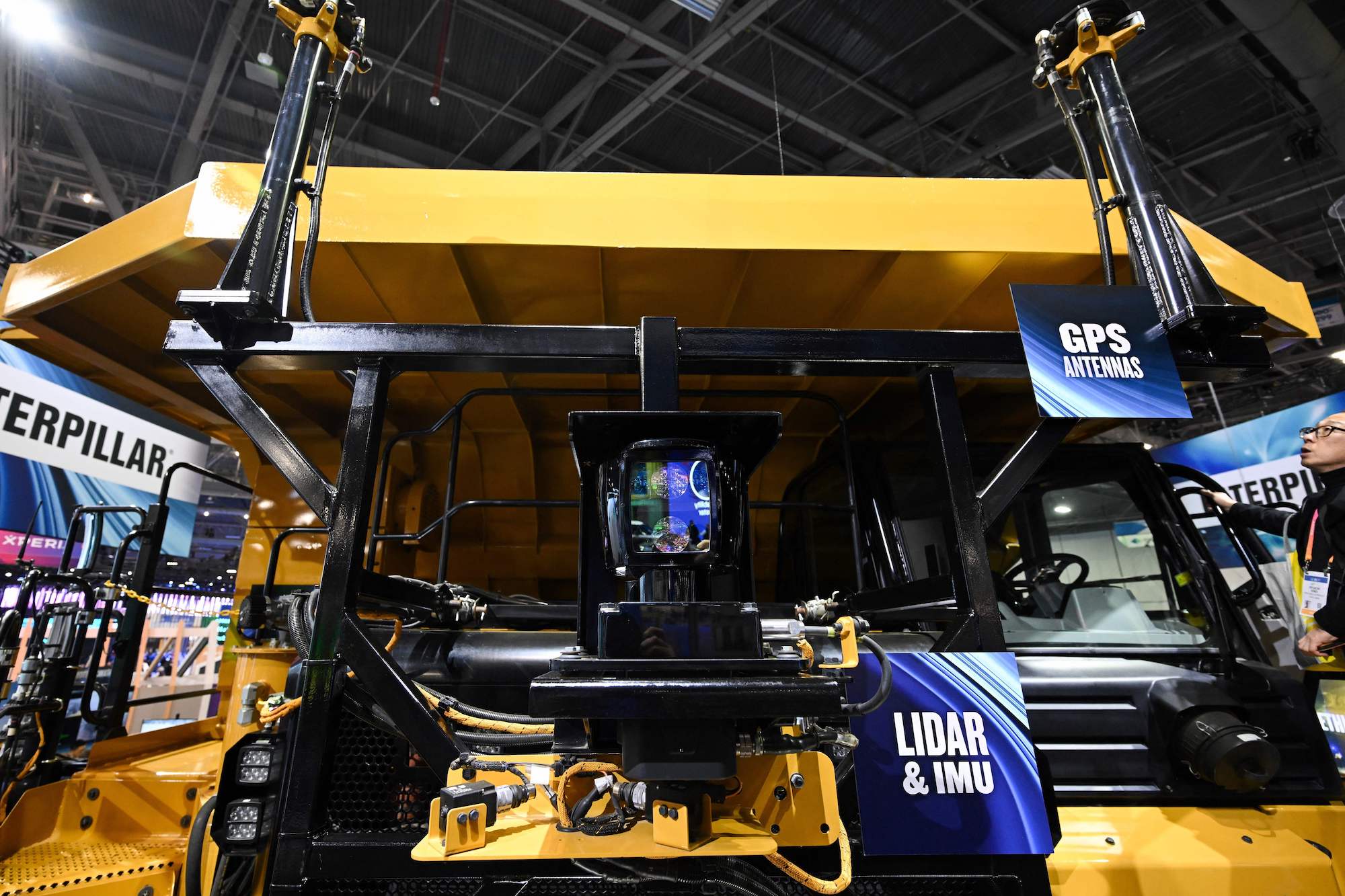
The direction Heym is taking—focusing on RAG synchronization, multi-instance execution, OIDC integration, and detailed execution inspection—signals a maturation of the AI workflow platform market. It moves beyond the initial hype cycle of generative AI capabilities and enters the realm of enterprise-grade operationalization. Companies like Caterpillar, with decades of experience in deploying autonomous machinery in harsh, remote environments, are now applying similar principles to AI deployment, emphasizing reliability, maintainability, and robust operational management. This parallel suggests a convergence of best practices from industrial automation and software engineering towards building dependable AI systems.
The emphasis on governance, sandboxing, and clear specifications, as hinted at in Heym’s recent discussions, further underscores this shift. Production AI requires not just functional components but also frameworks for managing risk, ensuring ethical deployment, and providing clear operational boundaries. Heym’s evolution suggests a commitment to providing the tools necessary for developers and organizations to build and manage AI workflows with the confidence that they can scale, integrate, and remain reliable over time.
For teams currently grappling with the transition from AI experimentation to production deployment, Heym’s focus on these pragmatic, operational challenges offers a compelling path forward. The platform aims to be more than just a canvas for AI models; it aspires to be the bedrock upon which resilient, secure, and observable AI workflows are built and maintained.