Hermes Agent Bot Mode vs. Standalone Claude: A Time-Saving Showdown
For professionals engaged in repetitive knowledge work—whether it's deep research, drafting documents, compiling daily briefings, or handling initial customer replies—the choice of AI tool can dramatically impact productivity. A recent comparison reveals that Hermes Agent's Bot Mode offers a superior workflow compared to a standalone Claude chat interface. The key differentiator lies in how each system handles memory and task delegation.
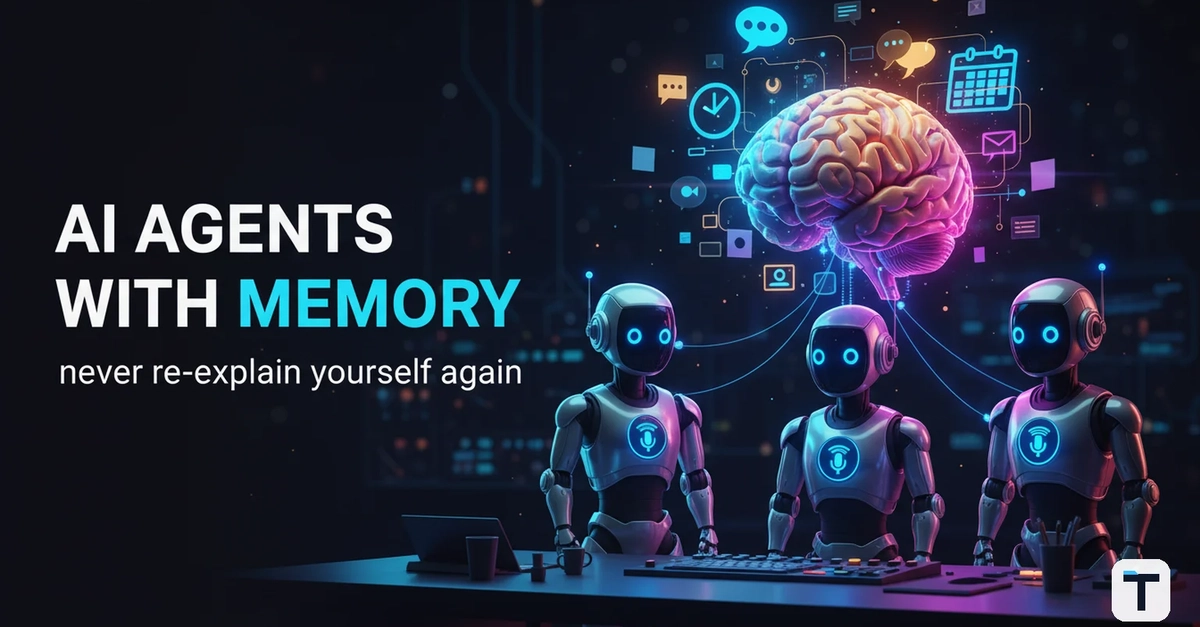
Hermes Agent, particularly with its Bot Mode, is designed for persistent, autonomous operation. As of version 0.20.3, released on August 16, 2026, Bot Mode is a built-in and default feature. This mode allows each AI agent to maintain its own configuration, dedicated memory, specific skills, and chat history. These profiles are stored locally under ~/.hermes/profiles/<name>/, ensuring that each agent's context is preserved across sessions and tasks. This persistent memory is crucial for tasks that build upon previous information.
In contrast, standalone Claude chats, while powerful for ad-hoc queries and immediate interactions, lack this inherent memory persistence. Users must manually re-paste context or re-explain previous findings for each new session or when asking follow-up questions. This manual overhead quickly becomes a bottleneck for workflows that require continuity and the accumulation of knowledge over time.
The Power of Persistent Memory and Agent Collaboration
The advantage of Hermes Agent's Bot Mode is multifaceted. Firstly, each agent acts as an independent entity with its own specialized knowledge and context. This means an agent tasked with market research won't forget what it learned yesterday, nor will it need to be reminded of the company's core product when drafting a competitive analysis. This self-contained memory acts like a dedicated assistant who remembers your preferences and past conversations without prompting.
Secondly, Hermes Agent's architecture supports inter-agent communication. This allows for complex workflows where one agent can hand off tasks or findings to another. For instance, an agent performing initial web scraping could pass its findings to a summarization agent, which then hands off the summary to a drafting agent for a report. This collaborative capability is absent in a standard Claude chat interface, where all interactions are confined to a single, isolated conversation thread.
Consider a scenario where a founder needs to stay updated on industry news. With Hermes Agent, a dedicated news-gathering bot could run on a schedule, identify relevant articles, summarize them, and then feed the key takeaways to another bot responsible for drafting a daily executive summary. The founder only needs to review the final output, saving hours of manual collation and reading.
Standalone Claude, while capable of generating excellent summaries or answering specific questions about provided text, cannot automate this multi-step process. The user would have to initiate each step, paste the gathered information, and prompt Claude for the next action. This makes it less suitable for ongoing, dynamic workflows.
When Standalone Chats Still Shine
Despite the clear advantages of Hermes Agent for structured, repetitive tasks, standalone Claude.ai is not obsolete. Its strengths lie in its simplicity and immediacy. For one-off questions, quick fact-checking, or exploring a topic with no prior context, initiating a new Claude chat is often faster. There is zero setup required; you simply open the tab and ask.
If your AI interaction is limited to asking a single, self-contained question like "What is the current market cap of company X?" or "Explain the concept of quantum entanglement in simple terms," a standalone chat is perfectly adequate and requires no configuration. The decision hinges on whether the task involves continuity and memory, or a discrete, isolated query.
The Underlying Technology: Profiles and Persistence
The technical foundation for Hermes Agent's advantage is its robust profile system. Each profile encapsulates an agent's identity, personality, configuration settings, available skills (APIs, tools), and its unique conversational memory. This modular design allows for flexibility. Developers can create specialized agents for various roles—a coding assistant, a research analyst, a marketing copywriter, a customer support agent—each with its own distinct characteristics and knowledge base.
The release of v0.20.3 signifies a maturation of the Hermes Agent framework, making these advanced capabilities readily accessible. The commitment to shipping Bot Mode as default-on indicates a strategic focus on practical, time-saving applications for users who rely on AI for ongoing professional tasks.
Conclusion: Context is King
The question is not which AI model is inherently 'smarter.' Both Hermes Agent (powered by underlying models like Claude) and standalone Claude.ai leverage advanced language processing. The critical factor for saving time in knowledge work is the AI's ability to retain and utilize context from previous interactions without user intervention. Hermes Agent's Bot Mode, with its persistent memory and agent collaboration features, excels in this regard, making it the preferred choice for recurring, context-dependent tasks. For ephemeral, standalone queries, the simplicity of a direct chat interface remains compelling.