
HAQQ Legal AI: Democratizing Legal Access on Mobile
HAQQ Legal AI has launched a new mobile application designed to bring legal understanding to anyone with a smartphone. The app aims to bridge the gap between complex legal information and the general public, offering a new avenue for accessible legal knowledge. In a world where legal advice can be costly and time-consuming to obtain, HAQQ Legal AI’s mobile offering represents a significant step towards democratizing access to legal information.
The core premise of the application is to leverage artificial intelligence to process and present legal information in a digestible format. This approach is particularly valuable for individuals who may not have the resources or background to navigate traditional legal channels. By putting this power into the hands of users via their mobile devices, HAQQ Legal AI is positioning itself to be a ubiquitous resource for legal queries.
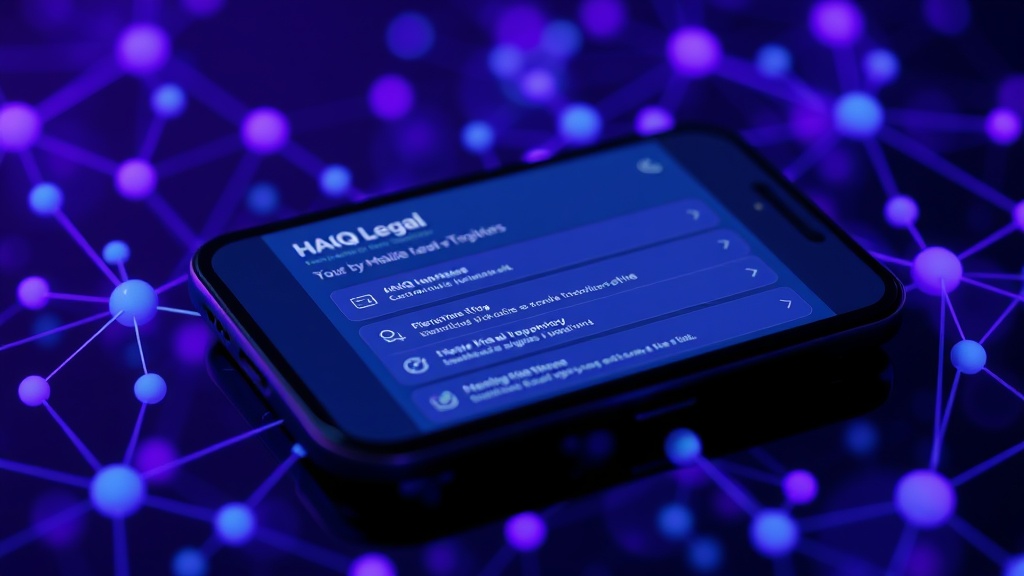
How HAQQ Legal AI Works
While the specifics of the AI models and data sources are proprietary, the app functions by allowing users to input legal questions or scenarios. The AI then analyzes this input against a vast database of legal documents, statutes, case law, and legal precedents. The output is designed to be a clear, concise explanation of relevant legal principles, potential outcomes, or required actions. This is not intended to replace professional legal counsel but to serve as an initial point of understanding and guidance.
The technology behind HAQQ Legal AI likely involves natural language processing (NLP) to understand user queries and advanced algorithms to retrieve and synthesize relevant legal information. The challenge in this domain is not just retrieving data, but accurately interpreting it and presenting it in a way that is both legally sound and easy for a layperson to comprehend. This requires sophisticated AI capable of understanding nuance, context, and the specific jurisdiction of the query. The app’s success hinges on its ability to provide reliable information without overstepping into the territory of providing definitive legal advice, a boundary often emphasized by AI legal tech companies.
Consider the process similar to having a highly knowledgeable legal assistant available 24/7. Instead of scheduling an appointment and explaining your situation from scratch, you can quickly pose your question and receive an immediate, well-researched overview. This immediate access can be critical for urgent matters or for individuals needing to understand their rights and obligations before taking action.
Implications for Users and the Legal Landscape
For the average user, HAQQ Legal AI on mobile offers a significant reduction in the barrier to legal understanding. Students, small business owners, or individuals facing everyday legal issues can gain initial insights without incurring immediate costs. This can empower users to make more informed decisions and to better prepare themselves if they decide to seek professional legal representation. The convenience of having such a tool on a device that is always at hand cannot be overstated.
The broader implications for the legal industry are also substantial. While not a direct replacement for lawyers, AI-powered legal tools like HAQQ Legal AI can streamline preliminary research, document review, and client education. This could lead to increased efficiency for legal professionals and potentially lower costs for clients in the long run. However, it also raises questions about the evolving role of legal professionals and the ethical considerations of AI in law, particularly concerning accuracy, bias, and accountability. What happens to the traditional legal research firms and paralegal services that have historically provided these preliminary information services? The integration of AI into mobile platforms suggests a shift towards more consumer-facing legal tech solutions.
The accessibility aspect is key. Imagine a small business owner needing to understand the basic requirements for a specific type of contract. Instead of spending hours searching through government websites or paying for a consultation, they can use the HAQQ app for an initial overview, guiding their next steps. This democratization of knowledge could foster greater legal literacy across the population.
The Future of Legal AI on Mobile
HAQQ Legal AI’s mobile application is a testament to the growing trend of embedding sophisticated AI tools into everyday consumer devices. As AI technology continues to advance, we can expect more specialized and powerful legal AI applications to emerge, potentially covering more complex legal areas and offering more personalized insights. The challenge for companies like HAQQ Legal AI will be to maintain accuracy, ensure user privacy, and adapt to evolving legal frameworks governing AI. The success of this mobile app will likely pave the way for further innovation in making legal information more accessible and understandable for everyone.