Gstack Agents: AI for Real-Time Meeting Insights
Gstack is introducing a novel approach to enhancing virtual meetings with AI specialists that directly integrate into Google Meet sessions. These agents are designed to provide real-time feedback and analysis, transforming how participants engage with and derive value from their online discussions.
The core functionality of Gstack agents lies in their ability to observe and process meeting conversations as they happen. Unlike post-meeting summarization tools, Gstack aims to offer immediate, actionable insights. This could range from identifying key discussion points that require further attention, flagging potential misunderstandings, or even offering suggestions for improving communication flow. The potential applications are vast, touching on areas like sales call analysis, team collaboration effectiveness, and educational session feedback.
The integration into Google Meet is a critical aspect of Gstack's strategy. By embedding directly within the meeting environment, the agents minimize friction for users. There's no need for separate applications or complex setup procedures; the AI simply joins the call like another participant, albeit one with a specialized analytical purpose. This seamless integration is designed to make AI-powered meeting enhancement accessible to a broader audience, from individual professionals to large enterprises.
How Gstack Agents Enhance Meeting Productivity
The introduction of AI agents into live virtual meetings represents a significant shift from traditional meeting productivity tools. While tools like Otter.ai or Fireflies.ai focus on transcription and post-meeting summaries, Gstack aims to intervene during the event itself. This real-time capability allows for immediate course correction and deeper engagement with the material being discussed.
Consider a sales pitch scenario. A Gstack agent could, in real-time, identify if the salesperson is effectively addressing customer pain points, if the value proposition is clear, or if the prospect seems hesitant. This information, delivered discreetly to the salesperson or their manager (if observing), allows for immediate adaptation of the pitch. Similarly, in a project planning meeting, an agent might highlight if dependencies are being overlooked or if a proposed timeline seems overly optimistic, prompting a more thorough discussion on the spot.
The technology behind these agents likely involves sophisticated natural language processing (NLP) and machine learning models capable of understanding context, sentiment, and intent within a dynamic conversational environment. The challenge lies not just in transcribing speech but in interpreting the nuances of human interaction, a notoriously difficult task for AI. Gstack's success will hinge on its ability to accurately capture and act upon these subtle cues.
The Broader Implications for Virtual Collaboration
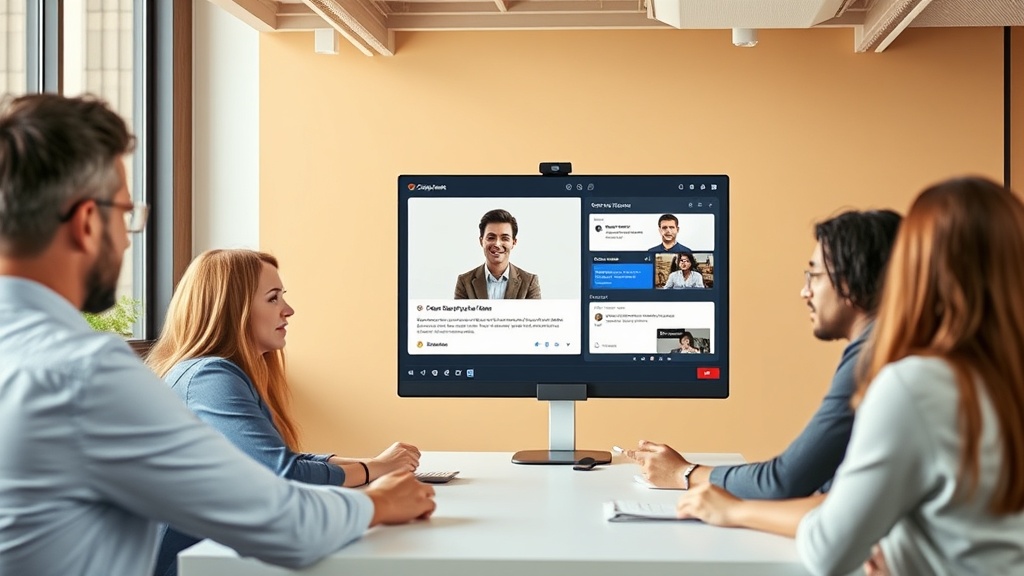
The advent of AI agents that actively participate in and analyze live meetings has far-reaching implications for the future of work. As remote and hybrid work models become more entrenched, the quality and efficiency of virtual communication are paramount. Gstack's offering, if successful, could set a new standard for what is expected from meeting technology.
For founders and team leads, this technology offers a powerful tool for coaching and performance improvement. Managers can gain objective insights into how their teams communicate, identify training needs, and ensure that critical information is being conveyed effectively. For individual contributors, it can serve as a personal coach, helping them refine their communication skills in real-time without the pressure of a human observer.
However, this level of AI integration also raises questions about privacy and the nature of human interaction in a digitally mediated space. Will participants feel constantly scrutinized? How will the AI's feedback be calibrated to avoid being intrusive or overly critical? These are crucial considerations as Gstack and similar technologies evolve. The goal must be to augment human capabilities, not to replace the essential, often messy, human element of collaboration.
The competitive landscape for AI-powered meeting tools is rapidly evolving. While many focus on transcription and summarization, Gstack's move into real-time, active feedback during the meeting itself carves out a distinct niche. This positions them not just as a note-taking assistant but as an active participant in improving meeting outcomes as they happen. The success of this approach will likely depend on the accuracy of the AI's analysis and its ability to provide genuinely valuable, non-disruptive insights.