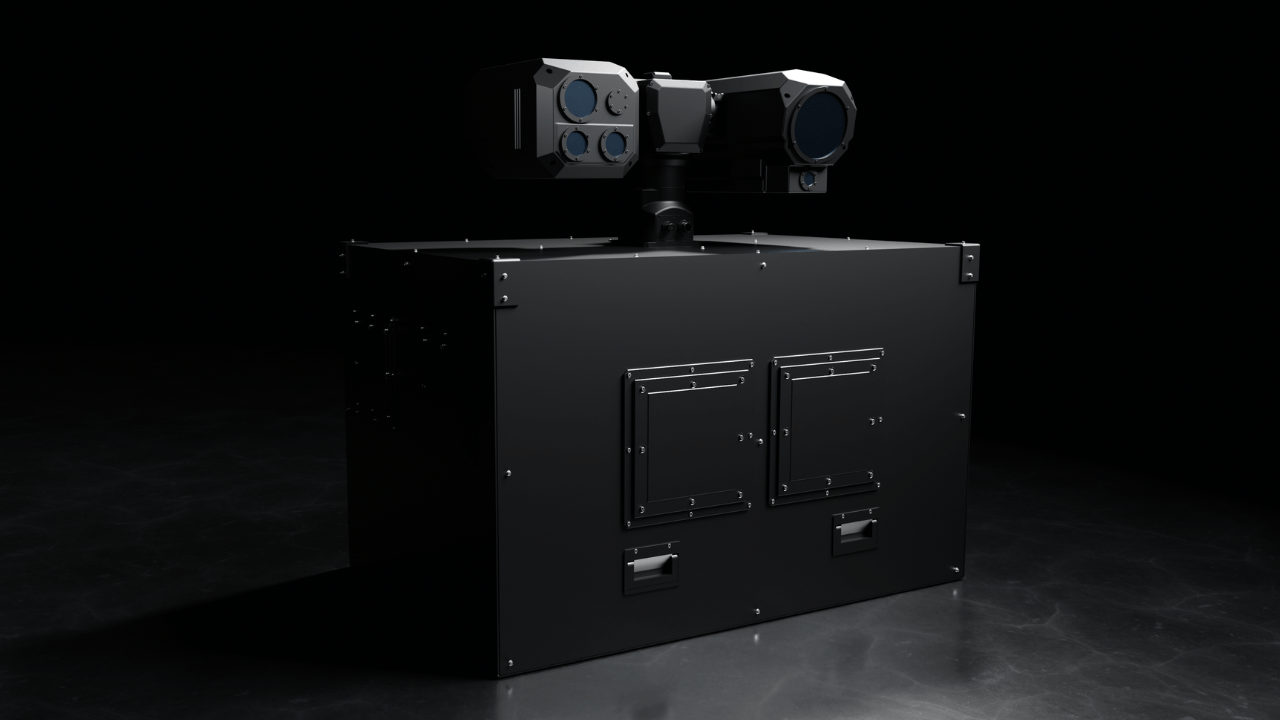
Ground A Emerges from Stealth with €9M Pre-Seed Funding
German defense technology firm Ground A has officially launched from stealth mode, announcing it has secured over €9 million in pre-seed funding. This capital injection is earmarked for the market introduction of its next-generation software and laser-based counter-drone systems. The company aims to address the escalating threat posed by unmanned aerial vehicles (UAVs) across various sectors, from critical infrastructure protection to border security and military applications.
The rapid proliferation of drones, coupled with their increasing sophistication and accessibility, presents a significant challenge. These UAVs can be utilized for a range of activities, including illicit surveillance, smuggling, and even targeted attacks. Traditional counter-drone methods, such as electronic jamming or kinetic interceptors, often have limitations, including collateral damage, limited range, or susceptibility to countermeasures. Ground A's approach leverages directed energy in the form of lasers, offering a potentially more precise and scalable solution.
The company’s technology integrates advanced software for drone detection and tracking with a laser effector designed to disable or destroy targeted drones. This dual approach allows for early identification of threats through sophisticated sensor fusion and AI-powered analysis, followed by a rapid, non-kinetic or kinetic response depending on the threat level and operational context. The laser system is designed to be highly accurate, minimizing collateral impact on surrounding areas, a critical consideration for urban environments or near civilian populations.
The Strategic Imperative for Advanced Counter-Drone Solutions
The need for effective counter-drone technology has never been more apparent. Governments and private organizations worldwide are grappling with the dual-use nature of drone technology. While drones offer immense benefits in areas like logistics, agriculture, and emergency response, they also pose substantial risks. Incidents involving drones disrupting airport operations, being used in conflict zones for reconnaissance and attack, or attempting to breach secure perimeters highlight the urgency.
Ground A's laser-based system is positioned to offer a distinct advantage. Unlike kinetic solutions that require physical projectiles and are thus limited by ammunition supply and launch platforms, a laser system, once powered, can engage multiple targets sequentially or in rapid succession. The precision of a laser beam also means that the energy can be focused directly on the drone’s critical components, such as its control systems or propulsion, leading to a swift neutralization. This targeted approach is crucial for avoiding escalation or unintended consequences.
Furthermore, the software component is just as critical as the laser. Ground A emphasizes its proprietary algorithms that enable real-time threat assessment and target prioritization. This intelligent system can differentiate between benign drones and hostile ones, reducing the risk of false positives and ensuring that defensive measures are only deployed when necessary. The system's ability to integrate with existing surveillance networks and command-and-control structures is also a key selling point, allowing for seamless deployment within established security frameworks.
Market Opportunities and Funding Rationale
The global counter-drone market is experiencing significant growth, driven by increasing security concerns and governmental investments in defense capabilities. Ground A's pre-seed funding round, which reportedly saw participation from several undisclosed investors, indicates strong confidence in the company's technology and market strategy. This funding will primarily support product development, scaling up manufacturing capabilities, and building out a sales and support infrastructure to bring their systems to market.
The company is targeting a range of customers, including defense ministries, border agencies, and operators of critical infrastructure such as airports, power plants, and large industrial sites. The versatility of their system, adaptable from fixed-site installations to mobile platforms, broadens its applicability. The counter-drone market is highly competitive, with established players and numerous startups vying for market share. Ground A's focus on laser technology, combined with its advanced software, aims to carve out a significant niche.
What remains to be seen is how Ground A will navigate the complex regulatory landscape surrounding directed energy weapons, particularly concerning their use in civilian airspace and potential international implications. The company's ability to demonstrate safety, efficacy, and compliance will be paramount to its long-term success. The strategic deployment of this €9 million will be critical in determining whether Ground A can transition from a promising startup to a key player in the burgeoning counter-drone industry.