Greyparrot Secures $27 Million Series B Funding
London-based Greyparrot, a company focused on artificial intelligence (AI) for waste intelligence, has successfully closed a $27 million Series B funding round. This significant investment brings the company's total funding to $60 million. The round was led by technology investor Omar Mir, with participation from existing investors. This capital infusion is earmarked for scaling Greyparrot's operations and further developing its AI-driven solutions to support the global transition towards a circular economy.
The company's technology aims to provide real-time insights into waste streams, enabling better sorting, recycling, and resource recovery. By leveraging advanced computer vision and machine learning, Greyparrot's platform can identify and categorize different types of waste with high accuracy, offering valuable data to waste management facilities, manufacturers, and municipalities. This detailed understanding of waste composition is crucial for optimizing recycling processes, reducing landfill waste, and creating a more sustainable material flow.
The Challenge of Waste Management and the Circular Economy
The concept of a circular economy, which aims to keep resources in use for as long as possible, extract the maximum value from them whilst in use, then recover and regenerate products and materials at the end of each service life, faces significant hurdles. One of the primary challenges is the complexity and variability of waste streams. Traditional methods of waste sorting and analysis are often manual, time-consuming, and prone to errors. This lack of granular data makes it difficult to identify valuable materials, track contamination, and measure the effectiveness of recycling programs. Without accurate, real-time intelligence, optimizing the entire waste management value chain remains a formidable task.
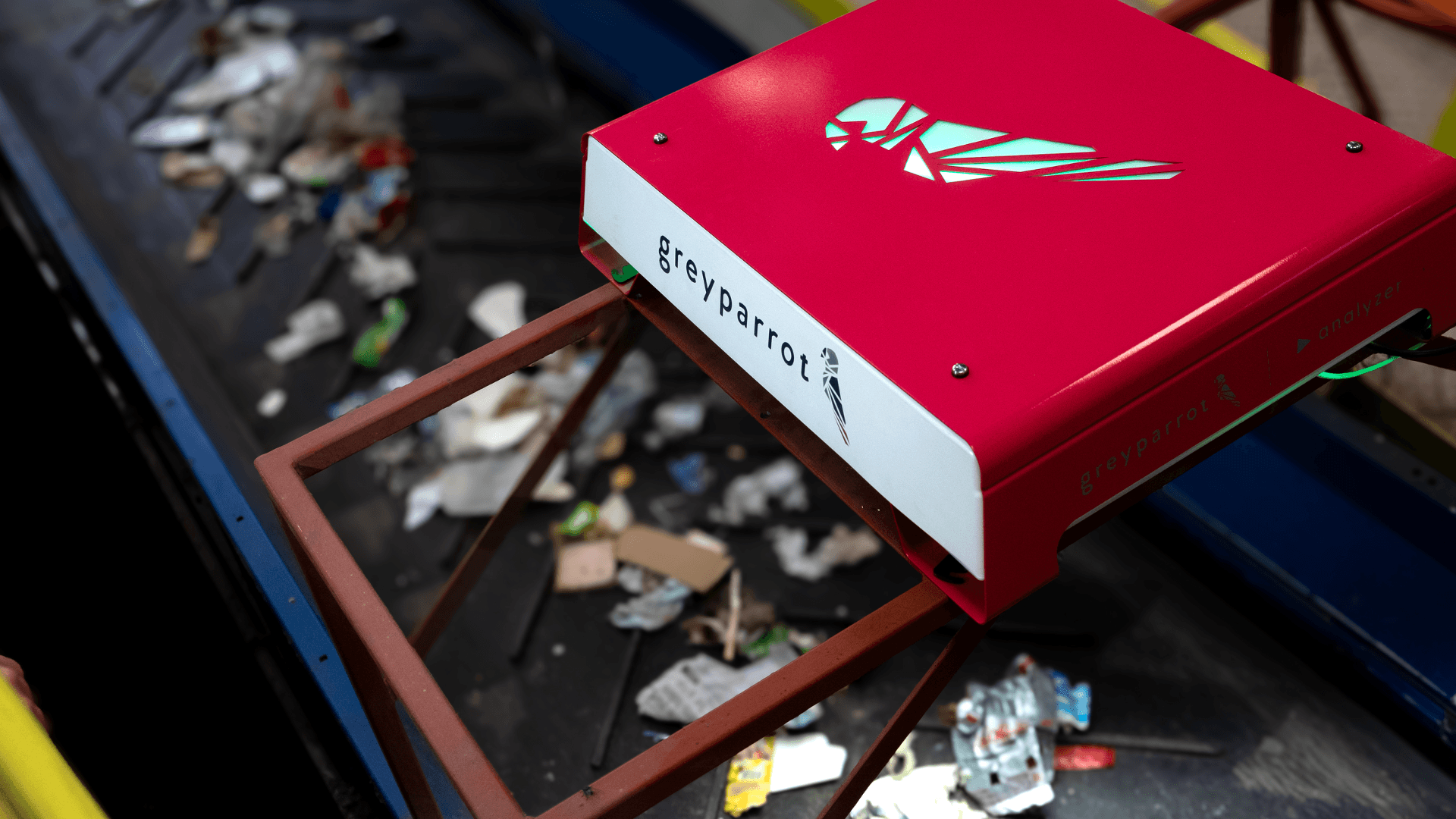
Greyparrot's AI platform directly addresses these challenges. By deploying cameras and AI algorithms at key points in the waste management process, such as on conveyor belts in recycling facilities, the system can analyze waste streams as they move. The AI identifies materials based on their visual characteristics, such as shape, color, texture, and material type. This allows for immediate feedback on the composition of incoming waste, enabling facilities to adjust their sorting processes, identify trends, and quantify the potential for material recovery. For instance, the system can distinguish between different types of plastics, metals, and paper products, providing data that can inform downstream processing and market engagement.
Scaling AI Waste Intelligence for Global Impact
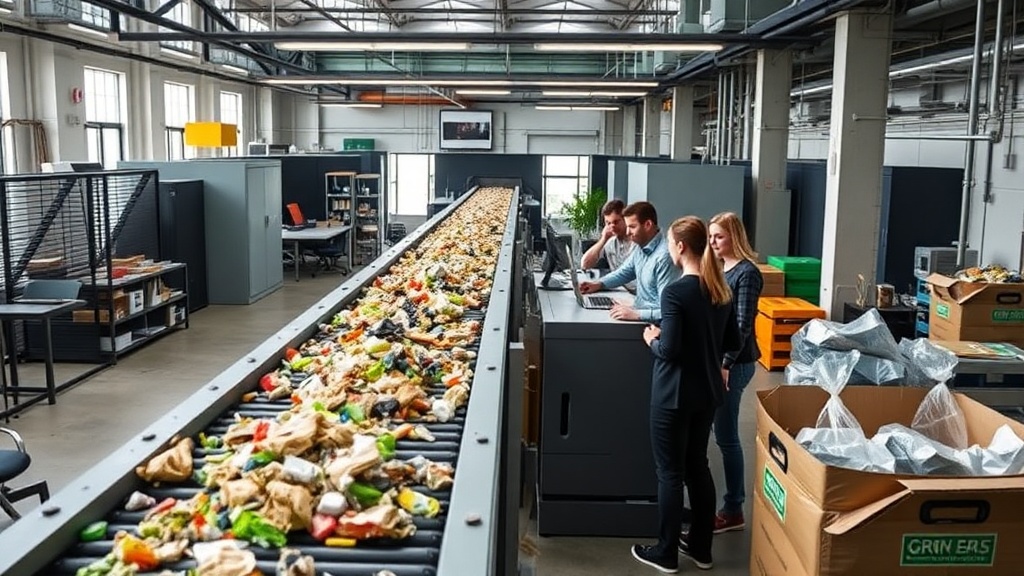
The newly acquired $27 million in Series B funding will be instrumental in Greyparrot's expansion plans. The company intends to scale its deployment of AI waste intelligence systems globally, partnering with more waste management companies and industrial clients. This scaling effort will involve not only increasing the number of installations but also enhancing the capabilities of its AI models. Continuous learning and adaptation are key to the platform's effectiveness, as waste compositions can vary significantly by region and over time due to changes in consumer behavior and product design.
A critical aspect of Greyparrot's strategy is to provide actionable intelligence. It's not just about counting waste; it's about understanding its value and potential. The data generated by the platform can help businesses make informed decisions about sourcing recycled materials, designing products for better recyclability, and meeting increasingly stringent environmental regulations. For municipalities, this intelligence can lead to more efficient public services and a clearer understanding of their waste generation patterns. The company's ambition extends to creating a comprehensive digital twin of waste streams, enabling predictive analytics and optimized resource allocation.
Investor Confidence and Market Trajectory
The successful Series B round underscores strong investor confidence in Greyparrot's technology and its potential to disrupt the waste management industry. The circular economy is no longer a niche concept; it is a rapidly growing imperative driven by environmental concerns, regulatory pressure, and increasing consumer demand for sustainable products. Companies that can provide tangible solutions to accelerate this transition are attracting significant attention and investment. Greyparrot's AI-powered approach offers a scalable and data-driven method to tackle one of the most complex aspects of the circular economy: understanding and managing waste.
The lead investor, Omar Mir, highlighted the company's unique position in the market. "Greyparrot's innovative AI technology is not only transforming waste management but also providing the critical data infrastructure needed for a truly circular economy," Mir stated in a press release. "We are excited to partner with Greyparrot as they scale their impact and help industries worldwide transition to more sustainable practices." This sentiment suggests that the market is ripe for such solutions, and Greyparrot is well-positioned to capitalize on this trend. The company's ability to demonstrate measurable improvements in recycling rates and material recovery will be key to its continued success and market penetration.
What This Means for the Future of Waste Management
Greyparrot's growth signifies a broader shift towards data-driven decision-making in environmental management. As the company scales, it will likely set new benchmarks for waste characterization and recycling efficiency. The insights derived from its AI platform can inform policy, drive innovation in material science, and facilitate the development of new business models centered around resource recovery. The ultimate goal is to move beyond simply managing waste to actively designing it out of the system and maximizing the value of every material. If successful, Greyparrot's technology could become a cornerstone of future sustainable infrastructure.
For developers working in environmental tech, this funding signals a growing demand for sophisticated AI and computer vision solutions in the sustainability sector. It also highlights the potential for significant impact by applying these technologies to real-world problems like waste management. Founders in adjacent fields might consider how Greyparrot's data could integrate with or complement their own offerings, perhaps in supply chain transparency or product lifecycle management. The investment also implies a growing market appetite for companies that can provide clear ROI through efficiency gains and resource optimization in the sustainability space.