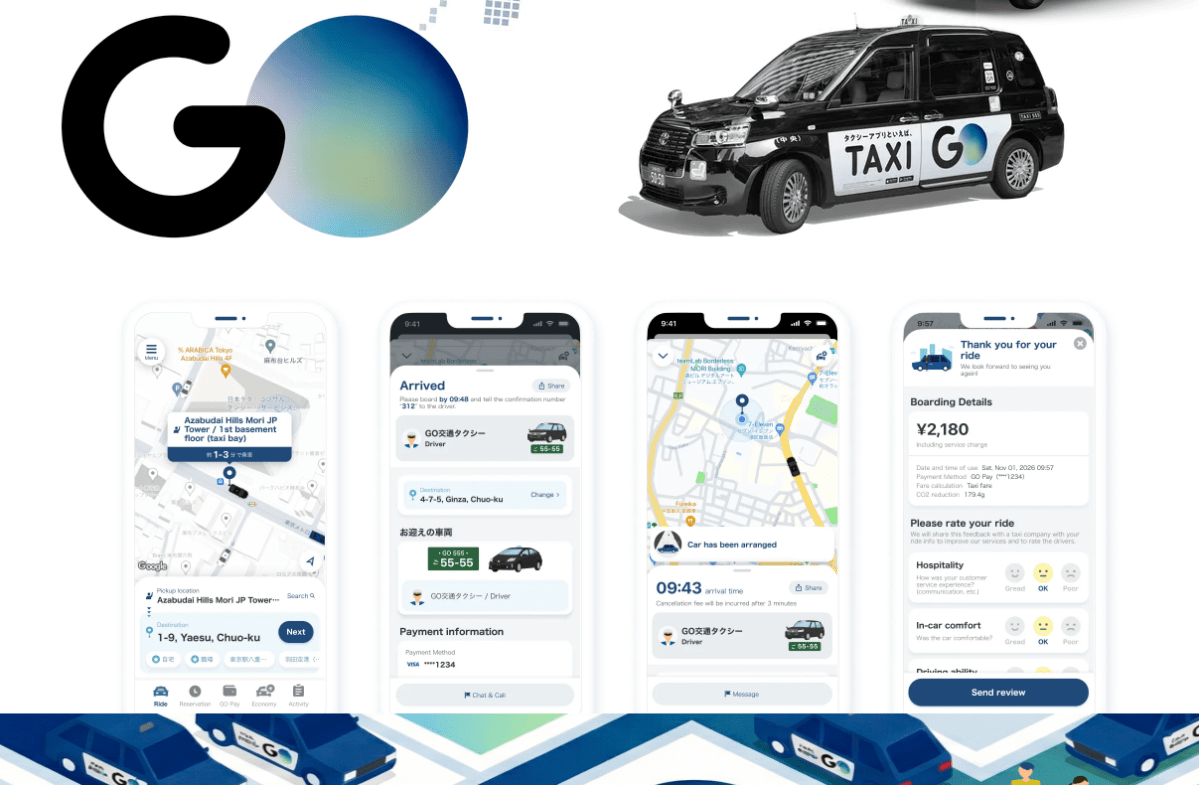
Go's Landmark IPO Fuels Ambitious Expansion
Go, the prominent taxi-hailing app, has successfully completed Japan's largest Initial Public Offering (IPO) of 2026, raising a substantial ¥88.6 billion (approximately $553 million) on Tuesday. This financial infusion is poised to address a critical challenge facing the Japanese transportation sector: a severe shortage of drivers. Beyond merely revitalizing a somewhat sluggish domestic listing season, the IPO provides Go with the necessary capital to pursue aggressive expansion strategies, notably its burgeoning robotaxi business and strategic acquisitions.
A company spokesperson confirmed that a significant portion of the IPO proceeds will be earmarked for these initiatives. Specifically, ¥8 billion ($50 million) is designated for expanding its robotaxi operations and for pursuing acquisitions. This strategic allocation signals Go's intent to not only scale its existing services but also to explore inorganic growth opportunities that could bolster its market position and technological capabilities.

Tackling Japan's Driver Deficit with Technology
The existential threat posed by Japan's dwindling driver pool cannot be overstated. An aging population, coupled with demanding work conditions, has led to a persistent decline in the number of individuals willing or able to enter the professional driving sector. For a company like Go, which relies heavily on a robust fleet of human drivers, this shortage presents a direct impediment to growth and service reliability. The investment in robotaxi technology is thus a proactive and essential step towards future-proofing its business model.
Robotaxis, or autonomous vehicles for ride-hailing, offer a compelling solution to this demographic challenge. By automating the driving process, Go aims to establish a service that is not constrained by the availability of human operators. This not only ensures service continuity but also has the potential to reduce operational costs in the long run, making transportation more accessible and affordable.
The ¥50 million dedicated to this segment will likely fund further research and development, pilot programs in new cities, and the scaling of existing autonomous fleets. This could involve partnerships with autonomous driving technology providers, investment in sensor and AI development, and the establishment of operational hubs for managing and maintaining autonomous vehicles. The goal is to move beyond pilot phases and establish a commercially viable robotaxi service that can operate at scale across Japan.
Strategic Acquisitions: A Catalyst for Growth
Complementing the push into autonomous vehicles, Go's plan to pursue acquisitions is equally strategic. In a rapidly evolving mobility landscape, acquiring smaller players or complementary technologies can accelerate market penetration, expand service offerings, and consolidate market share. This could involve acquiring companies with specialized AI expertise, advanced mapping technologies, or even established regional ride-hailing services that would allow Go to quickly gain a foothold in new territories.
The acquisition strategy is likely aimed at filling specific gaps in Go's technological arsenal or operational footprint. For instance, acquiring a company with proven expertise in fleet management for autonomous vehicles could significantly shorten the time to market for its robotaxi services. Alternatively, acquiring a company with a strong local presence in regions facing the most acute driver shortages could provide an immediate boost to Go's overall service capacity.

Market Implications and Future Outlook
Go's successful IPO and its ambitious post-IPO plans have significant implications for the broader Japanese and global mobility markets. Firstly, it signals a growing investor confidence in the potential of ride-hailing companies that are actively investing in future-oriented technologies like autonomous driving. This could encourage other players in the sector to accelerate their own R&D and capital expenditure in similar areas.
Secondly, Go's strategy highlights a pragmatic approach to addressing specific market needs. By directly tackling the driver shortage with a dual strategy of internal development (robotaxis) and external consolidation (acquisitions), Go is positioning itself as a resilient and adaptable player. This approach is particularly relevant in markets like Japan, which face unique demographic and economic challenges.
What remains to be seen is the regulatory landscape surrounding widespread robotaxi deployment in Japan. While the technology is advancing rapidly, governmental approvals and public acceptance are crucial factors that will influence the pace of adoption. Go's substantial capital raise positions it well to navigate these complexities, but the path to a fully autonomous ride-hailing future will undoubtedly involve close collaboration with regulatory bodies and a sustained effort to build public trust.
The company's ability to successfully integrate acquired technologies and businesses, alongside its internal robotaxi development, will be key to its long-term success. The ¥88.6 billion raised provides the runway, but execution will be paramount. Investors and competitors alike will be watching closely as Go deploys this capital to reshape the future of transportation in Japan.