The Genesis of an 85% Claim
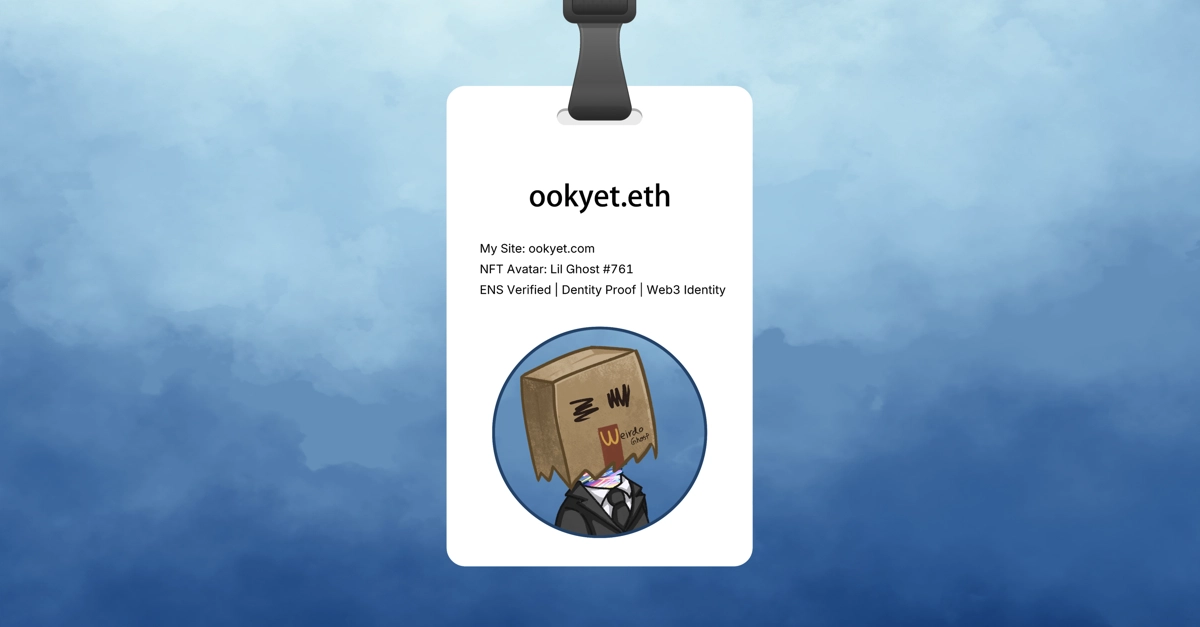
Nine months ago, a developer named Ookyet (real name not widely publicized, but known within certain Web3 circles) posted a bold claim on Dev.to: their ENS (Ethereum Name Service) identity architecture had reached an "85% Knowledge Panel trigger probability." This assertion was based on a belief that Google's Knowledge Graph was on the cusp of minting a dedicated entity node for their online persona. The architecture involved a custom Person schema with Dentity verification and ENS identifiers, all aimed at making their digital identity searchable and recognizable by Google's powerful entity recognition system. The developer had meticulously indexed their personal domain, ookyet.com, and shipped the entity markup in October 2025, hoping to influence Google's indexing and entity creation process.
The strategy, while ambitious, was speculative. The "85%" figure itself was later admitted to be a personal estimation, a target rather than a scientifically derived metric. It represented a confidence level that their implemented schema and online presence were robust enough to signal to Google that a distinct, verifiable entity worthy of a Knowledge Panel existed. This approach was a departure from traditional SEO tactics, leaning instead into structured data and semantic web principles to guide AI-driven search algorithms.

The Waiting Game and the Unexpected Outcome
Following the implementation of the entity markup, a period of observation ensued. The developer monitored Google Search Console for any changes or errors related to their structured data. By June 2026, issues began to surface, specifically `Q&A` errors and `Profile page: Invalid` warnings. These errors, while concerning, did not immediately deter the developer, who continued to refine their approach. The timeline indicates a deliberate, iterative process of deploying schema, monitoring Google's response, and attempting to rectify any indexing or parsing problems.
The surprising turn of events came not from Google explicitly validating the "85%" claim, but from Google's Knowledge Graph independently minting an entity node for the developer. This occurred sometime after the initial post and the subsequent error reports. The developer, in a retrospective post, candidly admitted that the 85% figure was indeed fictional – a personal target. However, the fact that Google's sophisticated entity recognition system ultimately created a Knowledge Panel entry suggests that the underlying architecture, despite the self-admitted speculative probability, was effective. It highlights a potential pathway for individuals and organizations to influence the creation of entities in Google's Knowledge Graph through meticulous structured data implementation and verifiable online presence.
Rethinking Entity Recognition and Structured Data
This episode offers a fascinating glimpse into the black box of Google's Knowledge Graph. While Google rarely discloses the precise algorithms and thresholds for entity creation, Ookyet's experience suggests that a combination of factors is at play: verifiable identity signals (like ENS), comprehensive structured data (Person schema with specific attributes), and a consistent, indexed online presence (ookyet.com). The developer’s willingness to share their process, including the admission of the speculative nature of their initial claim, adds a layer of transparency often missing in discussions about search engine optimization and AI-driven information retrieval.
The fact that Google eventually created the entity node, even after the developer retired their specific probability claim, implies that the system is designed to identify and consolidate information about notable individuals or entities based on a variety of signals, not just a single, self-reported probability score. It underscores the growing importance of the semantic web and structured data in helping search engines understand the relationships between entities and the information associated with them. For developers and SEO professionals, this case serves as a real-world example of how proactive, technically sound implementation of schema markup can yield significant results, even if the initial predictive metrics are more art than science.
What Nobody Has Addressed Yet: The Influence of Speculative Claims
What nobody has addressed yet is the psychological and strategic impact of making such a precise, albeit fictional, probability claim. Did the "85%" figure, by being publicly stated, inadvertently focus the developer's efforts in a way that ultimately proved successful? Or was it merely a coincidence that Google's algorithms converged on creating the entity shortly after? The developer's retrospective suggests a belief that their structured data implementation was the primary driver. However, the narrative around the "85%" claim itself might have created a self-fulfilling prophecy, motivating a more rigorous and persistent approach to schema implementation and error correction than might have otherwise occurred. This raises questions about the role of bold, even unsubstantiated, claims in driving innovation and pushing the boundaries of what is technically achievable in the AI and search space.
The outcome also prompts a re-evaluation of how entities are formed within large knowledge graphs. If a developer can, through deliberate technical means and a bit of speculative forecasting, prompt the creation of a unique entity node, it suggests that the Knowledge Graph is not solely a passive repository but can be actively influenced. This has implications for personal branding, digital identity management, and the way businesses and individuals seek to establish their presence in the increasingly AI-curated landscape of online information. The journey from a speculative claim to a minted Google entity is a testament to the evolving interplay between human intent, structured data, and artificial intelligence.