Google Search Console Expands to Social and Video Platforms
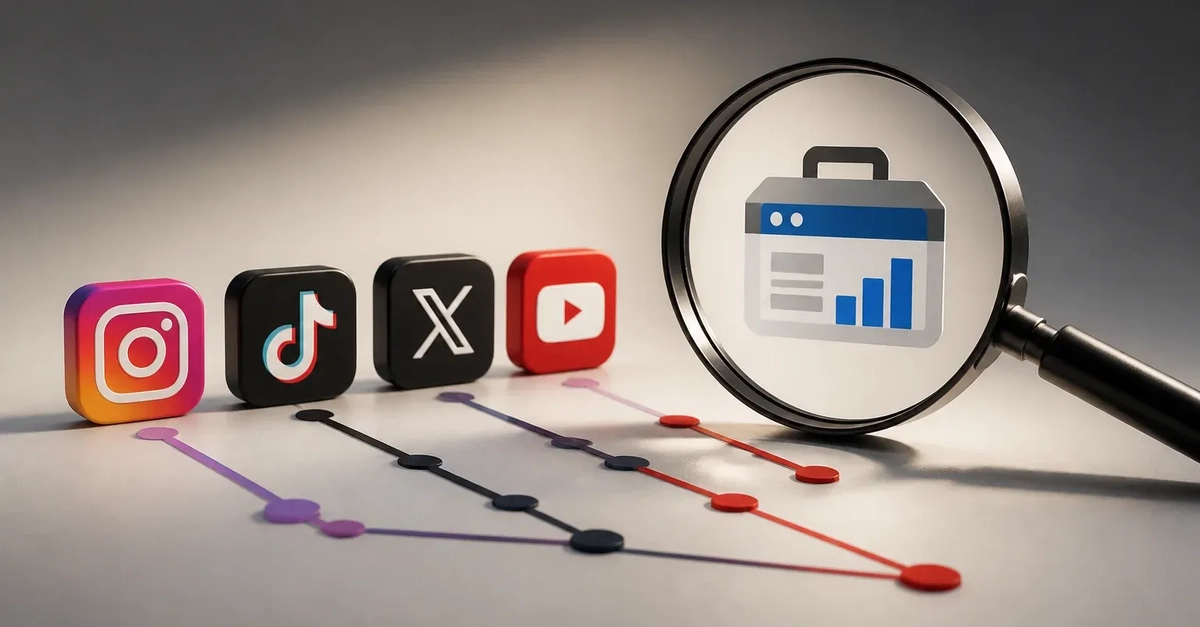
Google Search Console, the indispensable tool for website owners to monitor their site's performance in Google Search, has significantly broadened its scope. Previously focused solely on web domains, the platform has introduced a new feature: platform properties. This initiative allows creators, brands, and publishers to measure how their verified content performs across Google's vast search ecosystem, extending its reach beyond traditional websites to include popular social and video platforms like Instagram, TikTok, X (formerly Twitter), and YouTube.
This expansion means users can now see which specific search queries on Google lead individuals to discover and click on their posts and videos hosted on these external platforms. Beyond just query data, Search Console will also report on crucial metrics such as impressions, click-through rates (CTR), and average search position for this social content. This provides a first-party Google view into social content discovery, a crucial piece of the puzzle that was previously difficult to integrate into standard SEO and content performance reporting.
Before this update, understanding how Google Search influenced traffic to social media posts relied heavily on each platform's native analytics. This new integration allows teams to directly correlate Google Search visibility—whether through organic search results, Google Discover, or Google News—with the specific search terms that drove that visibility. The feature was initially introduced on July 7, 2026, and has since undergone a global rollout, making it accessible to a wider range of creators and marketers.

Bridging the Gap Between Search and Social Discovery
The implications for marketers and content creators are substantial. For years, the journey from a Google search to a social media engagement has been a black box. A user might search for a product, a tutorial, or a piece of news on Google, discover a relevant post on Instagram or a video on YouTube, and then click through. However, attributing that initial discovery to a specific Google search query was often guesswork, relying on indirect metrics or assumptions. This new functionality in Search Console directly addresses that blind spot.
Think of it less like a simple analytics dashboard and more like a translator. Before, you could see how many people visited your Instagram profile from within Instagram, but you couldn't easily tell if they found you because they typed "how to style vintage jeans" into Google. Now, Search Console can act as that translator, revealing the exact search terms that put your content in front of potential viewers on social platforms. This is particularly valuable for content that aims to capture users at different stages of their information-gathering journey, from initial research to deeper engagement.
The ability to track queries driving traffic to social content is not just about vanity metrics; it's about understanding user intent and optimizing content strategy. If a creator sees that many users are finding their TikTok videos via searches like "best budget travel tips," they can double down on creating more content around that theme, potentially using similar keywords in their TikTok descriptions and hashtags to further capitalize on this Google-driven discovery. Conversely, if certain types of content are not appearing in search results for relevant queries, creators can adjust their keyword strategy or content format.
Strategic Advantages for Content Teams
This move by Google democratizes data that was previously siloed. Brands and independent creators can now leverage Google's search intelligence to inform their social media strategies, a significant shift from relying solely on platform-specific insights. This unified view allows for more cohesive cross-channel marketing efforts. For instance, a campaign that performs exceptionally well on X via Google Search can be amplified with paid social efforts or cross-promoted on other channels.
The introduction of platform properties suggests a broader trend towards Google attempting to index and organize the entirety of online content, not just traditional web pages. This is a strategic play that benefits Google by keeping users within its ecosystem longer, even when their ultimate destination is a third-party platform. For users, it means a more comprehensive search experience that can surface relevant content from a wider array of sources.
The data provided by platform properties is particularly useful for understanding content discoverability. It helps answer questions such as: When a user searches for a specific topic, does my content on YouTube or Instagram appear in the results? If so, what exact search terms are bringing them there? This granular insight enables content teams to refine their SEO practices for social platforms, making them more discoverable to a global audience actively seeking information through Google Search.
Unanswered Questions and Future Implications
While the expansion of Google Search Console to include social and video platforms is a significant development, several questions remain. The exact methodology for how Google verifies content ownership for these platform properties is not fully detailed. What happens to creators who have multiple accounts on a single platform, or those who use different handles across platforms? Ensuring accurate attribution and preventing misuse will be critical for the long-term success and trust in this feature.
Furthermore, the scope of 'social content' might expand. Will this eventually include other forms of user-generated content or community platforms? The current focus on major social networks and video platforms provides a strong starting point, but the potential for further integration is vast. The success of this feature will likely depend on its accuracy, ease of use, and how effectively it integrates into existing SEO workflows. For now, creators and marketers have a powerful new lens through which to view their content's performance across the web and beyond.