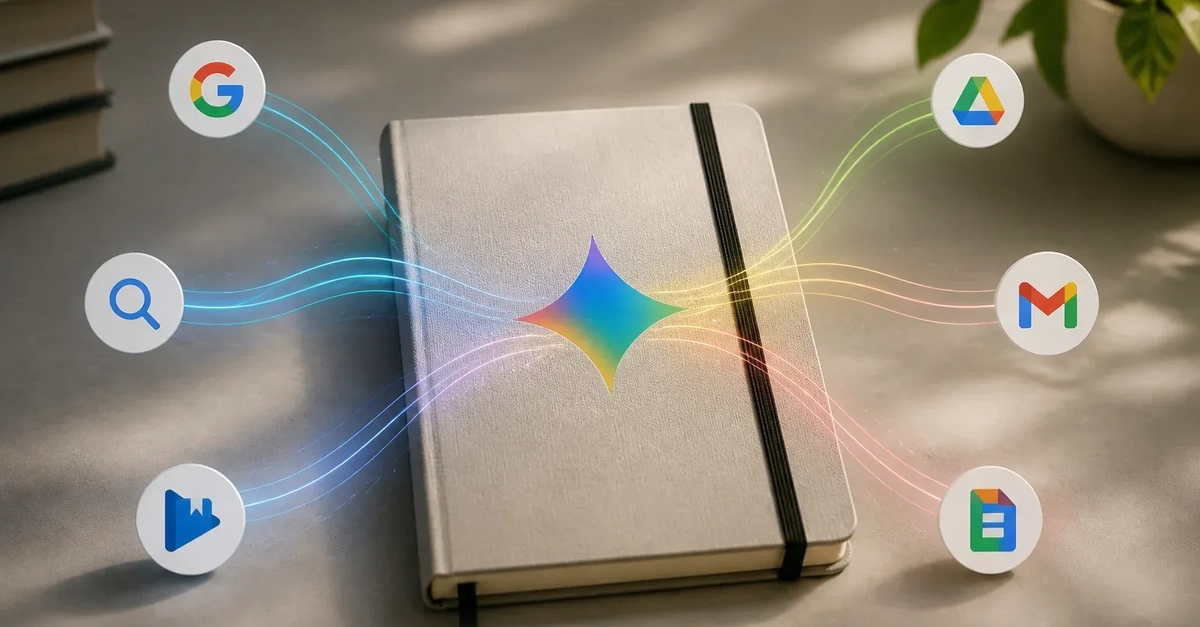
Gemini Notebook: A New Identity for Source-Grounded Research
Google has officially renamed its specialized research tool, NotebookLM, to Gemini Notebook. This rebranding signifies a deeper integration into the Gemini ecosystem and signals Google's intent to position the tool as a central workspace for synthesizing information from diverse sources. The change is more than cosmetic; it reflects an expanded vision for how users can engage with and connect their research materials.
The core functionality of Gemini Notebook remains focused on allowing users to upload documents, web pages, and other materials to create a private, AI-powered research assistant. This assistant can summarize information, answer questions based on the provided sources, and help users identify key themes and insights. The renaming to Gemini Notebook places this capability squarely within Google's broader AI initiatives, leveraging the power and familiarity of the Gemini brand.
This strategic move aims to streamline the research process for professionals who frequently work with multiple documents, data sets, and external information. By bringing Gemini Notebook under the Gemini umbrella, Google is suggesting a more unified approach to AI-assisted work, where complex tasks like cross-referencing information from various formats become more manageable.
Expanding Source Engagement and Research Capabilities
Gemini Notebook introduces several key enhancements beyond its name change. A significant development is the expanded integration with Google Search, allowing users to pull in information directly from the web to augment their existing sources. This feature is particularly valuable for researchers needing to quickly incorporate current events, recent studies, or broader context into their work without leaving the notebook environment.
Furthermore, the platform is enhancing its capabilities through what Google terms "Deep Research" and "Expert Intelligence." While specific technical details are still emerging, these initiatives suggest a move towards more sophisticated analysis and a deeper understanding of specialized content. For users working in fields requiring intricate knowledge, such as legal, medical, or scientific research, these features promise to elevate Gemini Notebook from a simple summarization tool to a more robust analytical partner.
The ability to run code within Gemini Notebooks is another notable addition, though it is currently available only to eligible users on higher-tier plans. This feature opens up possibilities for data analysis, custom script execution, and more complex computational tasks directly within the research environment. Developers and data scientists can leverage this to perform on-the-fly analysis, test hypotheses, or automate parts of their research workflow without needing to export data or switch between multiple applications.
A Unified Workspace for Information Synthesis
The overarching goal of Gemini Notebook appears to be the creation of a unified workspace where users can not only gather but also synthesize information from disparate sources. Instead of treating each document or web page as an isolated unit of research, Gemini Notebook encourages users to build connections between them. This is crucial for complex projects that require weaving together insights from reports, articles, spreadsheets, and presentations.
Consider a marketing team analyzing competitor strategies. They might upload annual reports, press releases, website content, and market research surveys. Gemini Notebook would allow them to ask questions like, "How has Competitor X's messaging on sustainability evolved across their website and recent earnings calls?" or "What are the key differences in product features mentioned in their latest press release compared to their public-facing website?" The tool is designed to find and present these cross-references, facilitating a more holistic understanding.

The practical utility of Gemini Notebook hinges on the quality and permissions of the source material users provide. However, the product's trajectory is clearly towards a more connected and intelligent knowledge workflow. This aligns with a broader trend in AI development: moving beyond single-task assistants to comprehensive work environments that augment human expertise across various domains.
Implications for Researchers and Professionals
The rebranding and expanded features of Gemini Notebook signal a significant shift in Google's approach to AI-powered research tools. For developers, the addition of code execution capabilities offers new avenues for data exploration and integration within their research workflows. They can now potentially build custom analysis pipelines directly within the notebook environment, reducing the friction associated with data manipulation and experimentation.
For founders and product managers, Gemini Notebook represents a potential improvement in how teams collaborate on research-intensive projects. The emphasis on cross-source synthesis could lead to more informed decision-making and a deeper understanding of market dynamics. The challenge for businesses will be to integrate this tool effectively into existing workflows and ensure data privacy and security when uploading proprietary information.
Security professionals might view the increased connectivity with Google Search and the potential for code execution with cautious optimism. Ensuring that the tool maintains robust security protocols, particularly when handling sensitive research data or executing user-provided code, will be paramount. The ability to analyze external information quickly is a powerful advantage, but it must be balanced with stringent security measures to prevent data leakage or malicious code execution.
Creators and data scientists will find value in the enhanced analytical capabilities, especially as Google refines its "Deep Research" and "Expert Intelligence" features. The prospect of using AI to untangle complex datasets and identify nuanced patterns across multiple sources could significantly accelerate discovery and innovation. The integration with the broader Gemini ecosystem also suggests future possibilities for multimodal research, combining text, code, and potentially other data types.