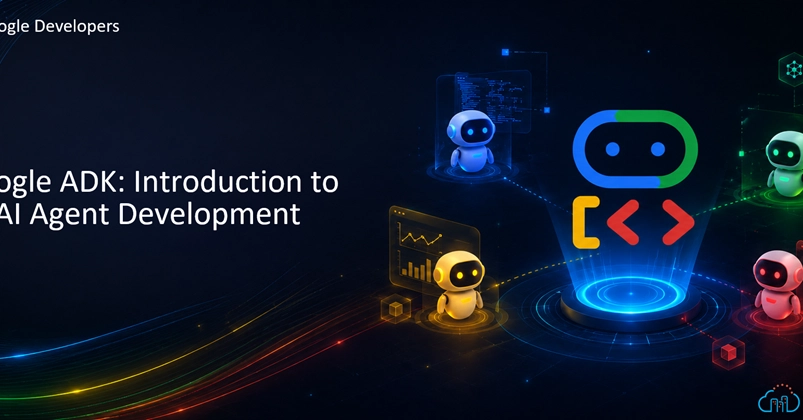
The Evolution Beyond Generative AI
Artificial intelligence is rapidly transforming technology interaction. For years, the spotlight has been on generative AI models capable of creating text, images, code, and audio from natural language prompts. These models have democratized AI, making it an accessible tool for millions. We've moved beyond AI as a niche technology to a pervasive force in daily tasks.
Now, we are entering a new phase. AI models are no longer confined to merely answering questions or generating content. They are evolving towards autonomy, capable of understanding objectives, planning sequences of actions, and executing them to achieve defined goals. This shift represents a significant leap forward, enabling AI to act as proactive assistants rather than passive tools.
Introducing the Google AI Development Kit (ADK)
To facilitate this next wave of AI development, Google has introduced the AI Development Kit (ADK). This toolkit is designed to simplify the complex process of building autonomous AI agents. The ADK provides developers with the necessary components and frameworks to leverage large language models (LLMs) for agentic behavior, allowing these agents to perform tasks independently.
The core idea behind ADK is to abstract away much of the underlying complexity associated with orchestrating LLM calls, managing state, and planning actions. Developers can focus on defining the agent's capabilities, goals, and constraints, while the ADK handles the execution logic. This approach aims to accelerate the development lifecycle and lower the barrier to entry for creating sophisticated AI agents.
Key Components and Functionality
While specific technical details of the ADK are still emerging, the concept centers on enabling agents to perform multi-step reasoning and actions. This typically involves:
- Goal Definition: Developers define the high-level objective for the AI agent.
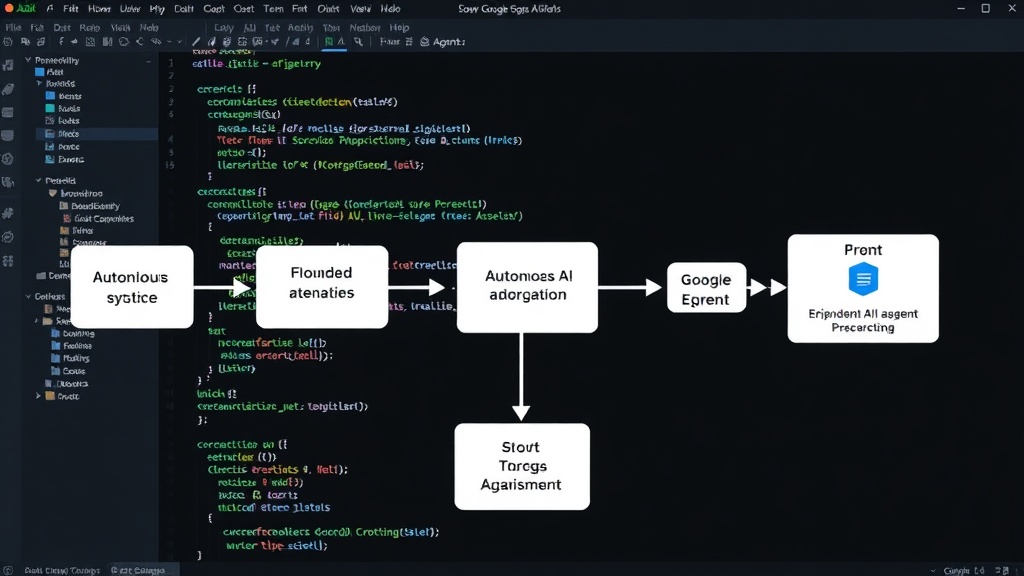
- Planning: The agent, powered by an LLM, breaks down the overall goal into a sequence of smaller, actionable steps. This often involves reasoning about available tools and potential outcomes.
- Tool Use: Agents can be equipped with a set of tools (e.g., search engines, APIs, code interpreters) that they can invoke to gather information or perform actions. The ADK manages the interface between the LLM and these tools.
- Execution and Observation: The agent executes a planned step, observes the result, and uses this feedback to refine its plan or proceed to the next step.
- State Management: The ADK likely incorporates mechanisms for maintaining the agent's internal state, including its current progress, gathered information, and memory of past actions.
Think of it less like a simple chatbot and more like a highly capable personal assistant. You tell it what you want to achieve, and it figures out the steps, uses the right tools (like searching the web or accessing your calendar), and reports back when done. The ADK provides the underlying framework for this intelligent orchestration.
The Significance for Developers
The introduction of ADK signals Google's commitment to fostering an ecosystem of advanced AI applications. For developers, this means a more streamlined path to building agents that can automate complex workflows, provide personalized assistance, and interact with digital environments in sophisticated ways. It moves the focus from prompt engineering for single-turn generation to architecting complex, multi-step AI interactions.
Developers can potentially build agents that can manage project tasks, conduct in-depth research, automate customer support interactions, or even assist in software development workflows by writing and testing code. The ADK aims to provide the scaffolding necessary to turn the raw power of LLMs into reliable, goal-oriented agents.
Looking Ahead: The Autonomous AI Era
The trend towards autonomous AI agents is undeniable. While generative AI has captured the public imagination, the ability for AI to act independently and achieve goals marks a more profound shift in human-computer interaction. Tools like the Google ADK are crucial enablers of this future, abstracting complexity and empowering developers to build the next generation of intelligent applications. The challenge now lies in how effectively developers can harness these tools to create agents that are not only capable but also safe, reliable, and aligned with human intent.