
Core System Stability Enhancements
The second quarter of 2026 for the GNU Hurd project has been largely dedicated to solidifying the core system's stability and reliability. Developers have focused on refining existing components, addressing long-standing bugs, and improving the overall robustness of the Mach microkernel and its associated servers. This effort is crucial for building a dependable foundation upon which future features and optimizations can be developed. Significant work has gone into inter-process communication (IPC) mechanisms, aiming to reduce latency and prevent deadlocks that have occasionally plagued complex operations. The team has also been meticulously reviewing memory management within the core servers, seeking to identify and eliminate potential leaks and improve resource utilization. This foundational work, while not always visible to end-users, is paramount for the long-term viability and performance of the Hurd operating system.
One of the key areas of improvement has been the error handling and reporting within the system. More detailed diagnostic information is now available for system administrators and developers, making it easier to pinpoint the root cause of issues when they arise. This enhanced observability is a direct result of the ongoing commitment to making Hurd a more practical and maintainable operating system. The project's release notes for Q2 2026 highlight several specific bug fixes related to file system access, network stack operations, and process scheduling. These are not headline-grabbing features, but their successful resolution contributes to a more predictable and stable user experience. The development team's commitment to this meticulous, iterative improvement process underscores their long-term vision for Hurd.
Introducing the Translator Framework
A significant development in Q2 2026 is the introduction of a new, more flexible framework for device translators. Traditionally, device drivers in Hurd have been implemented as servers that communicate with the core system. While effective, this architecture could sometimes be rigid and complex to extend. The new framework aims to provide a more standardized and modular approach to developing and integrating device support. This is akin to building with LEGOs instead of custom-molded plastic – you get more reusable, interchangeable parts.
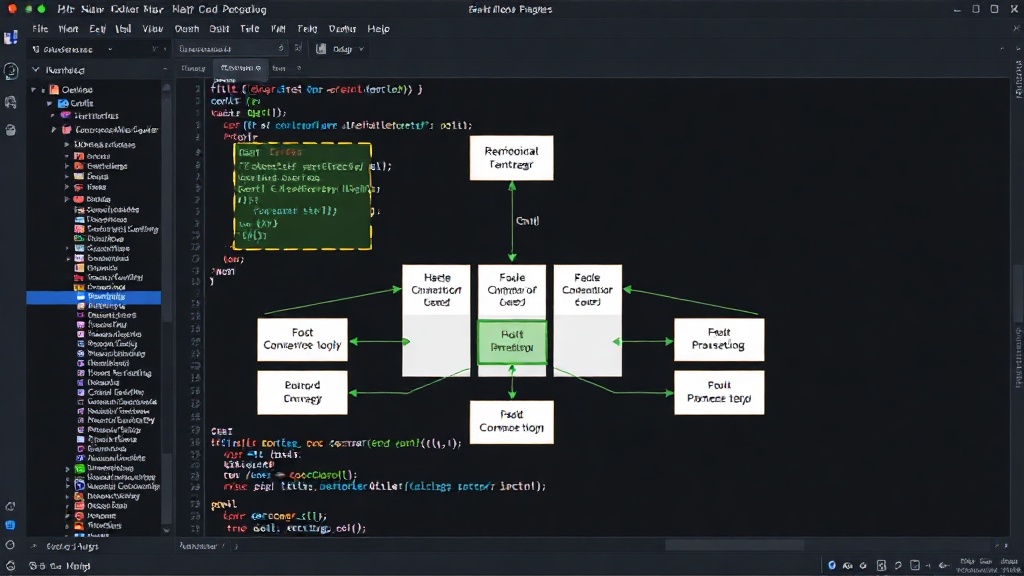
The new translator framework separates the concerns of hardware interaction from the higher-level services provided by the operating system. This modularity allows for easier development of new drivers, better isolation of driver-specific issues, and potentially faster iteration cycles for hardware support. Developers can now focus on specific hardware interfaces without needing to deeply understand the intricacies of the entire Hurd system. Conversely, core system developers can work on the translator interface without being tied to specific hardware implementations. This abstraction layer is expected to significantly lower the barrier to entry for contributing device support to the GNU Hurd.
Early implementations within this new framework are already showing promise. Initial work has focused on common hardware interfaces, with developers experimenting with support for various storage controllers and network interface cards. The goal is not just to add support for more hardware, but to do so in a way that is maintainable, efficient, and adheres to the principles of the GNU system. This framework is designed to be extensible, allowing for future support of more complex devices and peripherals as hardware evolves.
Community Engagement and Future Outlook
The GNU Hurd community remains active, contributing code, reporting bugs, and participating in discussions. While the pace of development might not match that of commercial operating systems, the dedication of its contributors is evident. The Q2 2026 news highlights continued engagement on mailing lists and forums, with developers actively discussing the implications of the new translator framework and providing feedback on stability improvements. This collaborative environment is vital for the project's ongoing development.
Looking ahead, the focus will remain on further refining the translator framework, expanding hardware support, and continuing the core system stability efforts. The project also aims to improve the user-facing tooling and documentation, making Hurd more accessible to a wider audience. The long-term vision of a robust, free, and Unix-like operating system powered by the Hurd kernel remains the driving force behind the project's steady progress.