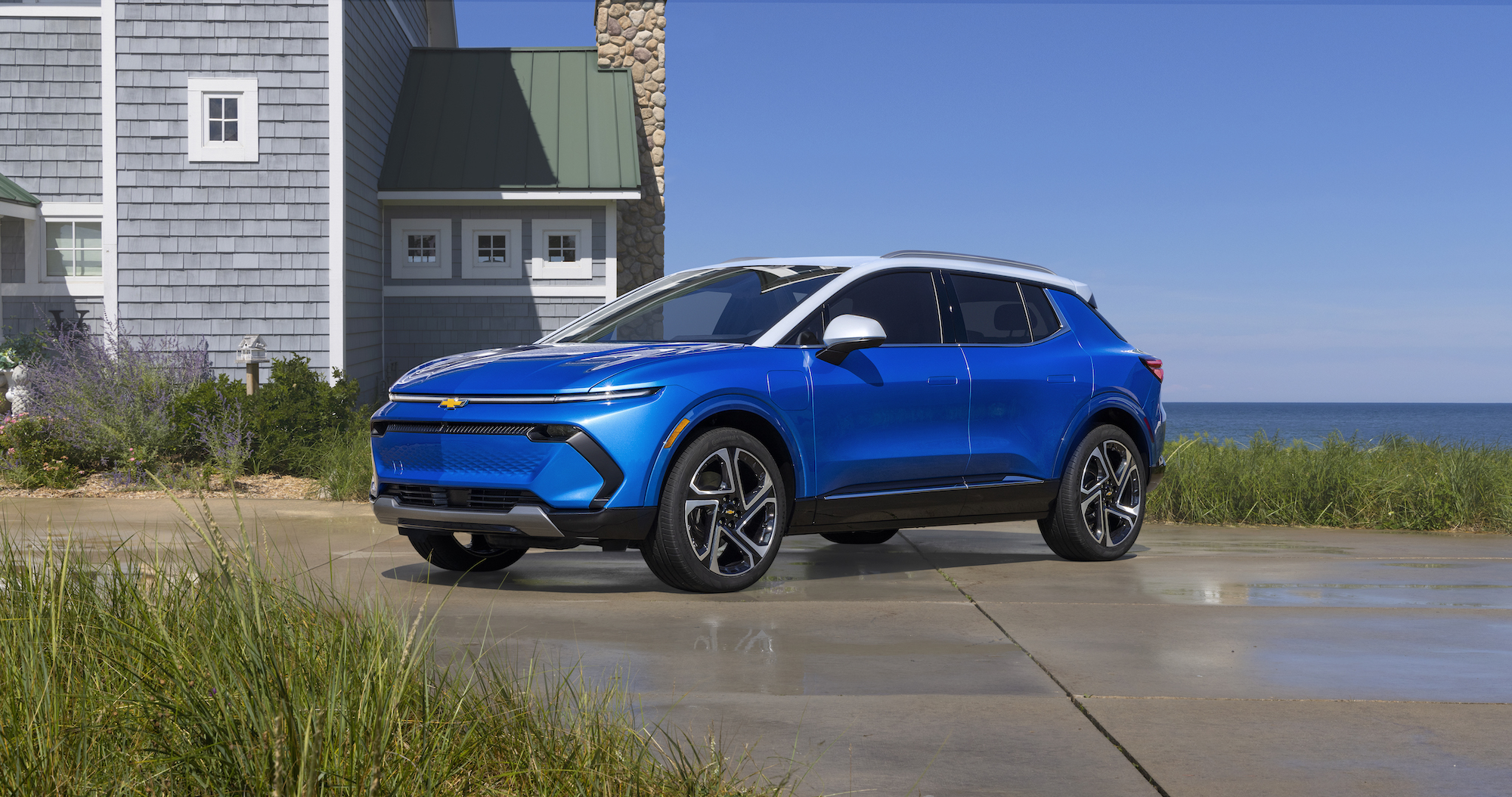
Federal Investigation Intensifies Over GM Brake System Failures

The National Highway Traffic Safety Administration (NHTSA) has significantly broadened its scrutiny of General Motors vehicles, focusing on widespread reports of brake system failures. The investigation now encompasses hundreds of complaints from concerned owners, with at least 22 crashes directly linked to issues with GM's electronic brake-by-wire system, known as eBoost. This escalating federal probe, now classified as an engineering analysis, signals a deeper dive into the safety implications of the eBoost system. Owners have reported sudden and unexpected loss of braking capability, forcing drivers into dangerous situations. In one particularly alarming incident, a driver of a 2024 Chevrolet Blazer EV reported having to "deliberately steer the vehicle into a concrete curb" to decelerate and avert a severe intersection collision. Such accounts highlight the critical nature of the problem and the potential for catastrophic outcomes.
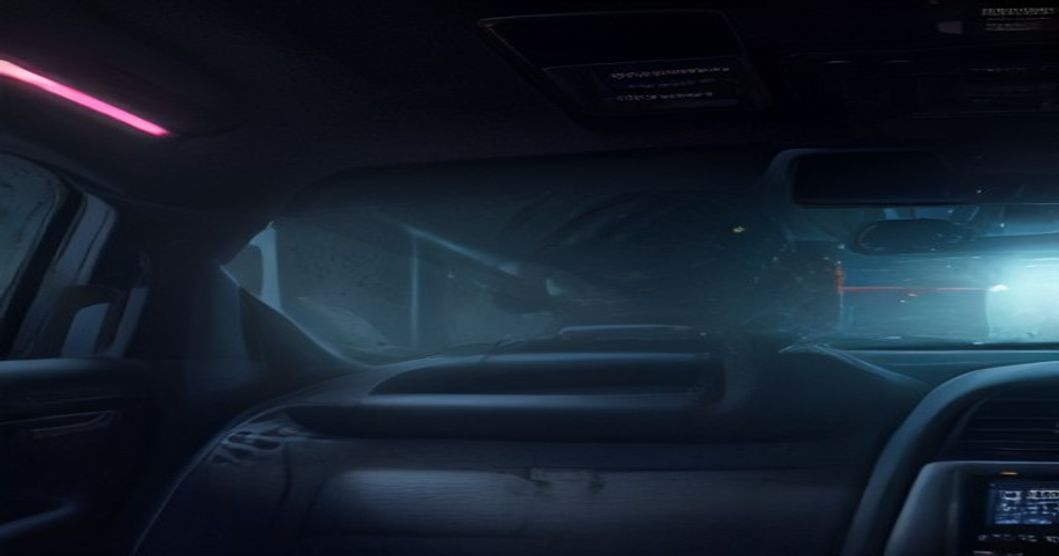
Dashboard warning lights indicating brake system malfunction in a GM vehicle
At the heart of the investigation is the eBoost system, which replaces traditional hydraulic brake boosters with electronic controls. While designed to improve performance and enable advanced features like regenerative braking in EVs, the system appears to be experiencing critical failures. The exact nature of these failures is still under investigation, but reports suggest a potential issue with the system's ability to provide adequate stopping power under various driving conditions. NHTSA's decision to upgrade the probe from a preliminary evaluation to an engineering analysis indicates that the agency has found sufficient evidence to warrant a more in-depth technical examination. This typically involves detailed testing, data collection from affected vehicles, and close collaboration with GM to understand the root cause of the failures. The agency is examining the scope of the problem, including which specific GM models and model years are most affected by the eBoost system. Owners have described scenarios where the brakes felt unresponsive or entirely failed, often with little to no warning. These incidents have occurred during routine driving, emergency braking situations, and even at low speeds. The fear among drivers is palpable, with many expressing concern about the safety of their vehicles and the potential for future incidents. Some reports indicate that the issue may be intermittent, making diagnosis and repair challenging for both owners and dealerships.

GM's Response and the Scope of the Problem

General Motors has stated it is cooperating fully with the NHTSA investigation. The automaker has previously issued technical service bulletins (TSBs) related to braking concerns, suggesting awareness of the issue within the company. However, the sheer volume of complaints and the escalating number of reported crashes indicate that previous measures may not have been sufficient to address the problem comprehensively. The eBoost system is integrated into a wide range of GM vehicles, including popular models across its Chevrolet, GMC, and Cadillac brands. While initial reports focused on specific EV models like the Blazer EV, the expanded investigation suggests the problem may be more pervasive across GM's lineup that utilizes this technology. The system's complexity, involving electronic sensors, actuators, and sophisticated control software, presents a significant challenge for both diagnosis and remedy. Drivers experiencing brake issues have reported a range of symptoms, from a spongy or soft brake pedal to a complete loss of braking force. Some have described the brake warning lights illuminating on their dashboards, while others have experienced failures without any prior indication. This lack of consistent warning makes the situation particularly hazardous, as drivers may not have time to react or take evasive action. The 22 crashes linked to the eBoost system have resulted in various outcomes, including property damage and, in some cases, injuries. While the exact severity of injuries has not been detailed in all reports, the potential for serious harm is evident. The use of a concrete curb as a last resort braking method by one driver underscores the extreme measures some have been forced to take. NHTSA's engineering analysis will likely involve examining the system's hardware components, software algorithms, and the manufacturing processes involved. The agency will also scrutinize GM's internal testing data and any previous investigations or recalls related to braking systems. The goal is to determine whether the eBoost system presents an unreasonable risk to safety and, if so, to mandate appropriate corrective actions, which could include a recall of affected vehicles. The implications of this investigation extend beyond the immediate safety concerns. For GM, a widespread recall could result in significant financial costs, damage to its brand reputation, and potential legal liabilities. For consumers, it raises questions about the reliability of modern automotive technology, particularly the increasing reliance on electronic systems that replace traditional mechanical controls. The situation serves as a stark reminder that while advanced technology can enhance vehicles, it also introduces new potential failure points that require rigorous oversight and robust safety validation. As the NHTSA's engineering analysis progresses, further details are expected to emerge regarding the specific failure modes, the number of affected vehicles, and the proposed solutions. Drivers of GM vehicles equipped with the eBoost system are advised to remain vigilant, report any braking anomalies immediately, and stay informed about any official communications from NHTSA or General Motors.