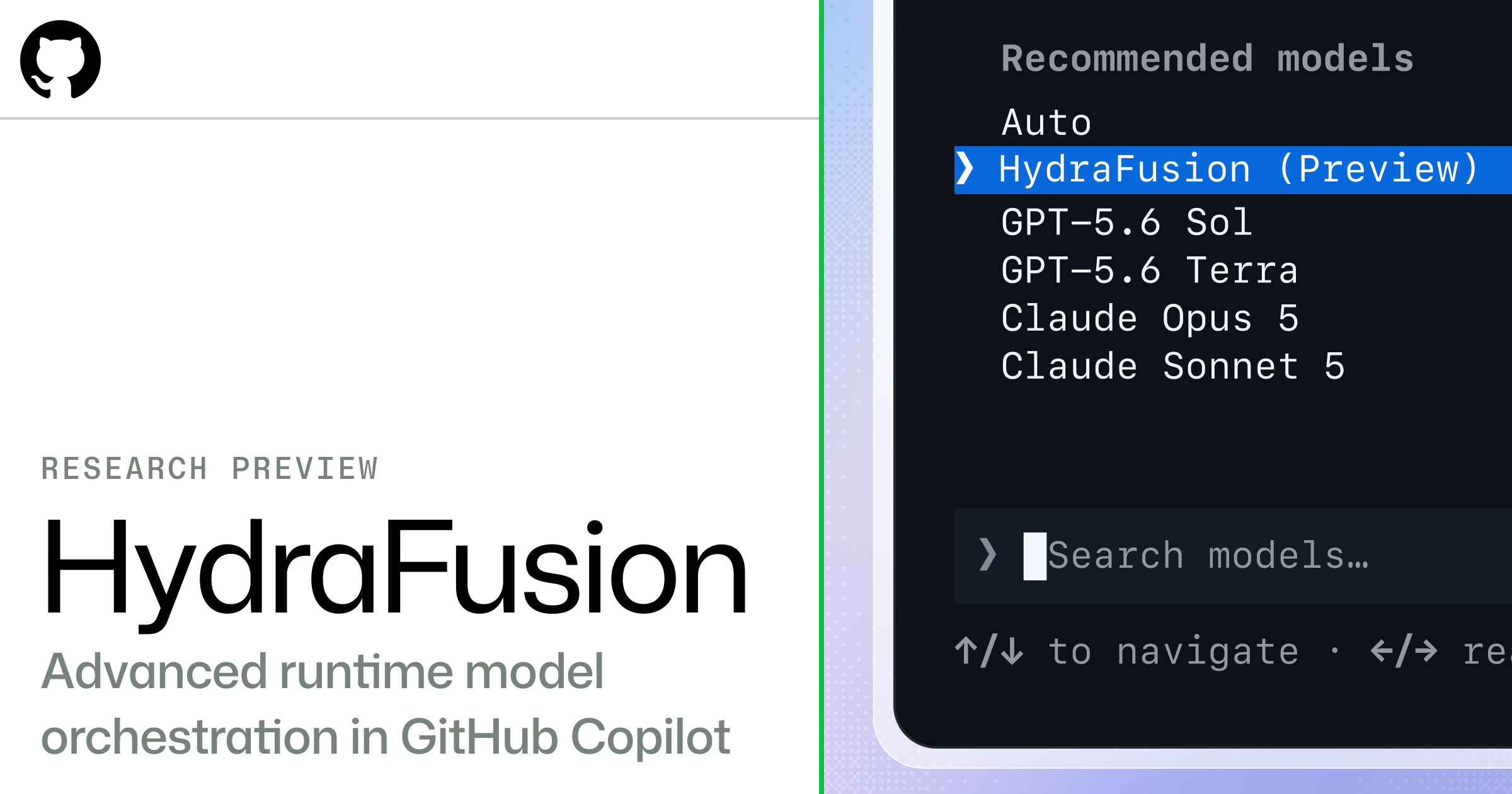
The Challenge of Single-Model Code Completion
Developing advanced AI models for code completion presents a significant challenge. Traditional approaches often rely on a single, monolithic model trained on vast datasets. While these models can generate impressive code snippets, they struggle with nuance, context, and the specific requirements of different programming languages and tasks. A single model, no matter how large, is akin to a generalist doctor who can treat many ailments but may not possess the deep, specialized knowledge of a surgeon or a neurologist. In the complex world of software development, where precision and context are paramount, this generalist approach can lead to suboptimal suggestions, increased debugging time, and a frustrating developer experience.
GitHub's engineers recognized these limitations inherent in single-model architectures. The goal was to move beyond simply scaling up existing models, which often yields diminishing returns and increased computational costs. Instead, they sought a paradigm shift that would leverage the strengths of multiple, specialized AI models, orchestrating them to work in concert. This vision led to the development of Project HydraFusion.

Introducing Project HydraFusion: A Multi-Model Architecture
Project HydraFusion represents a departure from the single-model paradigm. At its core, it's an orchestration layer designed to harness the power of multiple, diverse AI models. Instead of a single AI attempting to be an expert in everything, HydraFusion employs a team of specialized AI agents, each excelling in a particular area. This approach is analogous to a high-performance engineering team where a circuit designer, a mechanical engineer, and a software architect collaborate on a complex project, each bringing their unique expertise to bear. The orchestrator acts as the project manager, intelligently routing tasks and integrating outputs from these specialists.
The system is designed to be modular and flexible. Different models can be trained or fine-tuned for specific languages, frameworks, or even common coding patterns. For instance, one model might be optimized for Python syntax and common libraries, another for JavaScript and front-end frameworks, and yet another for generating boilerplate code or documentation strings. When a developer requests a code suggestion, HydraFusion doesn't just query one model; it intelligently selects and queries the most appropriate model or combination of models based on the current context, including the programming language, surrounding code, and the specific nature of the request.
The Orchestration Layer: Routing and Synthesis
The true innovation of HydraFusion lies in its orchestration layer. This sophisticated component acts as the central nervous system, managing the flow of information and decision-making. When a code completion request is made, the orchestrator first analyzes the context. This analysis informs which specialized model(s) are best suited to handle the request. For example, if the code is in Rust and involves asynchronous operations, the orchestrator might prioritize a model specifically fine-tuned for Rust and its async ecosystem.
Furthermore, HydraFusion can engage in a form of cooperative reasoning. If a primary model produces a suggestion that seems slightly off, or if multiple models offer competing suggestions, the orchestrator can invoke secondary models to validate, refine, or provide alternative perspectives. This allows for a more robust and accurate final output. The process isn't simply a round-robin or a single-choice selection; it's an adaptive, context-aware routing mechanism that can dynamically adjust its strategy. This multi-model approach allows the system to achieve 'frontier quality'—meaning it aims for the cutting edge of what's possible in AI-assisted coding, pushing beyond the limitations of existing single-model solutions.
Benefits and Future Implications
The advantages of Project HydraFusion are manifold. For developers, it promises more accurate, contextually relevant, and diverse code suggestions. This translates to increased productivity, reduced time spent on repetitive coding tasks, and a more fluid development workflow. By leveraging specialized models, the system can also potentially offer better support for niche languages or emerging frameworks that might be underserved by generalist models.
From an engineering perspective, a multi-model architecture offers greater agility. Individual models can be updated, replaced, or retrained independently without requiring a complete overhaul of the entire system. This makes it easier to incorporate the latest advancements in AI research and adapt to the rapidly evolving landscape of software development tools and languages. The modularity also allows for more efficient resource utilization, as less specialized, computationally intensive models can be deployed for simpler tasks, reserving powerful models for more complex challenges.
What remains to be seen is the complexity of managing and coordinating a growing number of specialized models. As the system scales, ensuring seamless communication, efficient load balancing, and effective conflict resolution between models will become increasingly critical. The computational overhead of the orchestration layer itself, while potentially offset by more efficient model selection, needs careful management to ensure low latency for real-time code completion.