
GitHub and PyPI Introduce Time-Based Defenses for Package Integrity
GitHub and the Python Package Index (PyPI) have jointly implemented a significant upgrade to their supply chain security infrastructure, leveraging Dependabot to introduce time-based defenses against malicious package versions. This move directly addresses the growing threat of software supply chain attacks, where attackers compromise legitimate packages to distribute malware or steal sensitive information.
The core of this new protection lies in how Dependabot now evaluates package updates. Previously, Dependabot primarily relied on version number comparisons to detect new releases. While effective for identifying newer versions, this method was insufficient to flag a malicious version that might be published with a seemingly older or even identical version number to a legitimate release, or a version that was published very recently and could be an immediate threat before broader community detection.
The updated system introduces a time-based validation layer. When Dependabot processes a new package version, it now considers the publication timestamp alongside the version number. This allows it to identify and flag packages that, while perhaps appearing to be a minor or even identical version update, were published extremely recently. This recency can be a strong indicator of a potential compromise or a newly introduced malicious variant. The rationale is that a legitimate, stable release from an established project typically has a predictable release cadence, or at least a history of releases over time. A sudden, out-of-band release, especially one with a version number that doesn't clearly indicate a major change, can be a red flag.
This enhancement aims to create a buffer, a period of observation, before a new package version is automatically trusted or updated. Think of it less like a strict bouncer at a club checking IDs (version numbers), and more like a seasoned observer who also notices if someone suddenly appears in the VIP section without a clear reason or history, especially if they arrived very recently. This added temporal context helps differentiate between genuine, incremental updates and potentially nefarious injections into the software supply chain.
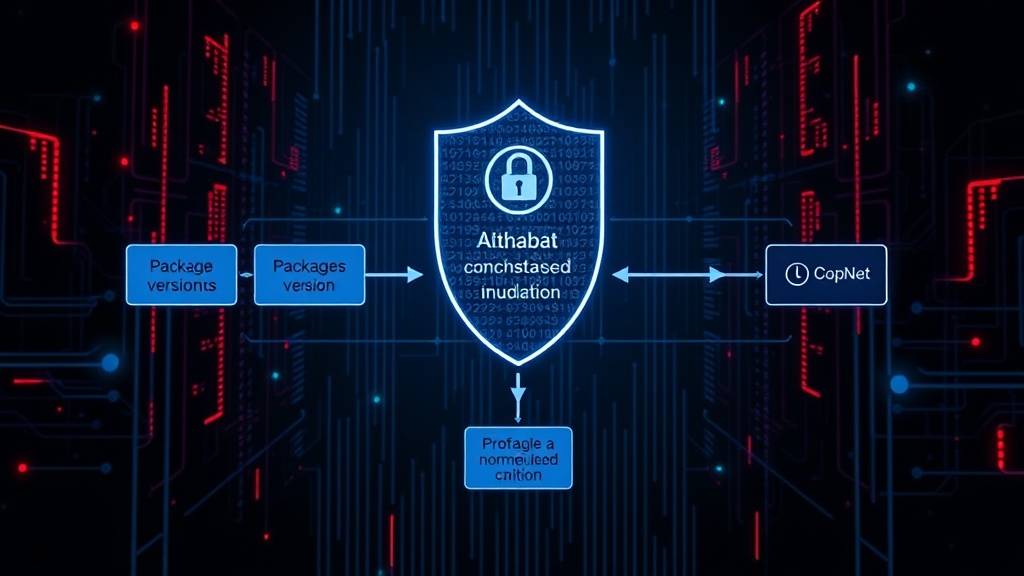
Mitigating Supply Chain Risks in Practice
For developers and organizations relying on open-source packages, particularly those managed through GitHub repositories or consumed from PyPI, this update is critical. The software supply chain is an intricate web; a vulnerability or compromise in a single, widely-used library can have cascading effects across countless projects. Attackers have increasingly targeted this vector, injecting malicious code into popular packages, waiting for developers to pull the compromised versions into their own applications.
The new time-based defenses work by introducing a delay or a heightened scrutiny period for newly published package versions. If a package maintainer publishes a new version, Dependabot will not immediately recommend or automatically apply it. Instead, it will monitor the version for a defined period. During this window, other security tools, community alerts, or automated analyses can flag any suspicious activity associated with the new version. If the version passes this observation period without raising alarms, it is then considered safer to integrate.
This approach is particularly effective against sophisticated attacks that might involve:
- Account Takeovers: An attacker gains control of a legitimate maintainer's account and publishes a malicious version, often using a version number that is not a clear jump (e.g., `1.2.3` to `1.2.3.1` or `1.2.3-rc1`) to avoid immediate suspicion.
- Typosquatting and Brandjacking: While not directly addressed by this time-based mechanism, it complements existing efforts by adding a layer of trust based on release patterns, making it harder for newly created malicious packages to mimic established ones.
- Dependency Confusion: Although this attack vector targets internal package registries, the principle of verifying the provenance and expected release behavior of packages is similar.
The integration with Dependabot means that these protections are automatically applied to projects that already use Dependabot for dependency management. This significantly lowers the barrier to entry for improved security, as users do not need to implement complex new tools or configurations. Dependabot will surface alerts for potentially risky new versions, giving developers the opportunity to review them before merging any updates.
Broader Implications for Open Source Security
The move by GitHub and PyPI signals a maturing understanding of the persistent threats within the software supply chain. It moves beyond simple signature verification or version checks to incorporate behavioral analysis – specifically, the behavior of package release lifecycles. This is a crucial step in building more resilient open-source ecosystems.
This development is not a silver bullet; attackers will undoubtedly adapt. However, it adds a significant layer of friction for malicious actors. It means that simply publishing a compromised version is no longer enough to guarantee its widespread adoption. There is now an inherent delay, a period of vulnerability assessment, before the compromised code can propagate.
What remains to be seen is how this time-based validation will be tuned. The ideal duration for the observation period is a complex trade-off between security and development velocity. Too short, and it might not catch subtle threats. Too long, and it could significantly slow down the adoption of legitimate security patches or new features. Furthermore, the interaction between automated checks, community reporting, and maintainer workflows will be key to its overall effectiveness. Will this create new bottlenecks, or will it foster more vigilant review practices?
For developers, this means paying closer attention to Dependabot alerts, even those that might seem like routine version bumps. It also underscores the importance of actively participating in the open-source community, reporting suspicious activity, and contributing to the security of the packages you depend on. The health of the software supply chain is a shared responsibility, and tools like these are empowering that collective effort.