The 'SteamBoy' Project: A Miniature PC Gaming Marvel
The dream of playing PC games on a truly pocketable device has long been the holy grail for portable gaming enthusiasts. While Valve’s Steam Deck offers a compelling blend of power and portability, its size and weight can be limiting for some. Enter a resourceful gamer and modder who has taken on the ambitious task of shrinking the Steam Deck down to the dimensions of a classic Nintendo Game Boy, creating what they've dubbed the 'SteamBoy'. This project is not merely a cosmetic alteration; it involves a fundamental re-engineering of the device's internal components, including a custom 3D-printed cooling system and plans for a high-resolution, high-refresh-rate AMOLED display.
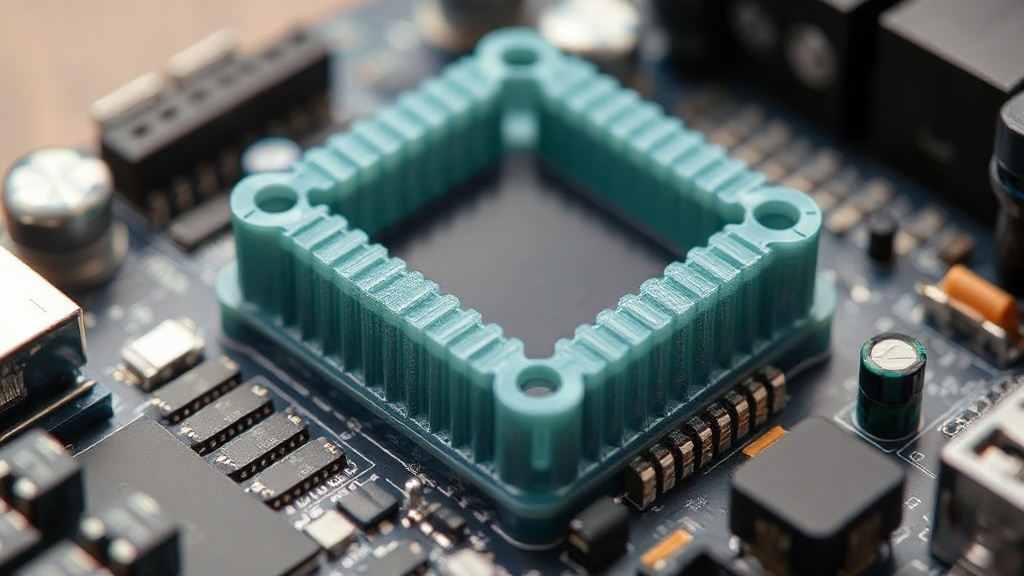
The core challenge in such a miniaturization effort lies in thermal management. The Steam Deck, even in its original form, can generate significant heat during demanding gaming sessions. Cramming its powerful APU and associated components into a much smaller chassis requires an innovative approach to cooling. The modder has designed and 3D-printed a bespoke cooling solution, meticulously engineered to fit within the constrained volume of the Game Boy-sized shell. This custom cooler is designed to efficiently dissipate heat, ensuring the Steam Deck's components can operate within safe temperature ranges without performance throttling. This is crucial for maintaining playable frame rates and the longevity of the hardware.
Beyond cooling, the display is another critical component that demands significant attention. The original Steam Deck features a 7-inch, 1280x800 LCD panel. The 'SteamBoy' project, however, aims for a substantial upgrade. Plans include integrating a display with a resolution of approximately 1200x1080 and a refresh rate of 90Hz. This would offer a sharper, more fluid visual experience, particularly beneficial for fast-paced games. The choice of an AMOLED panel promises superior contrast ratios, deeper blacks, and more vibrant colors compared to traditional LCDs, further enhancing the visual fidelity of the portable gaming experience.
Engineering Challenges and Component Integration
Shrinking the Steam Deck involves more than just a smaller case. It requires careful consideration of component placement, power delivery, and user interface. The modder has had to adapt the motherboard, likely involving custom flex cables for the screen, battery, and controls. The original Steam Deck's internal layout is optimized for its larger footprint; reconfiguring this for a significantly smaller form factor necessitates a deep understanding of the hardware and creative problem-solving. Every millimeter counts, and components that were once easily accessible might now be tightly packed, requiring a delicate balance of integration.
The power requirements of the Steam Deck are also a consideration. While the modder hasn't detailed battery specifications, fitting a sufficiently large battery into the compact chassis while accommodating the APU, screen, and cooling system presents a significant engineering hurdle. Battery life will undoubtedly be a trade-off for the extreme portability achieved. Furthermore, the remapping of controls to fit the Game Boy-style form factor will be essential for usability. This might involve custom button layouts or even integrating touch controls, ensuring that the player can comfortably interact with a wide range of PC games.
The choice of a 1200x1080 resolution at 90Hz is particularly interesting. While not a mainstream PC gaming resolution, it strikes a balance between visual detail and performance demands on the Steam Deck's APU. A 16:10 aspect ratio display, common on the original Steam Deck, would be adapted to a more square-like 1:1 aspect ratio, which might require some in-game adjustments or letterboxing depending on the game’s native aspect ratio. The 90Hz refresh rate, however, is a clear step up from the standard 60Hz found on many portable devices, offering a smoother visual experience that can reduce motion blur and improve perceived responsiveness.
The Broader Context of Handheld PC Gaming
This 'SteamBoy' project taps into a growing trend of powerful handheld PC gaming devices. Valve's own Steam Deck, along with competitors like the ASUS ROG Ally and Lenovo Legion Go, have demonstrated a strong market appetite for playing PC titles on the go. However, these devices, while portable, still occupy a significant amount of space in a bag or backpack. The desire for an even more compact form factor, reminiscent of classic handhelds, highlights a segment of the market seeking ultimate portability without sacrificing the ability to play a vast library of PC games.
The ingenuity displayed in this modding project is a testament to the passion and skill within the PC gaming community. It pushes the boundaries of what is considered possible with existing hardware, demonstrating that with enough dedication and technical expertise, even seemingly incompatible form factors can be achieved. This project serves as an inspiration for other modders and could potentially influence future designs in the handheld PC gaming space, encouraging more radical approaches to miniaturization and customization.
What remains to be seen is the long-term viability and user experience of such a device. Can the custom cooling truly keep the APU performing optimally under sustained load in such a confined space? How will battery life fare? And crucially, how comfortable and practical will it be to play modern PC games with controls adapted to a Game Boy-sized shell? These are the questions that only extensive real-world use can answer. Nevertheless, the 'SteamBoy' represents a remarkable feat of engineering and a bold vision for the future of ultra-portable PC gaming.