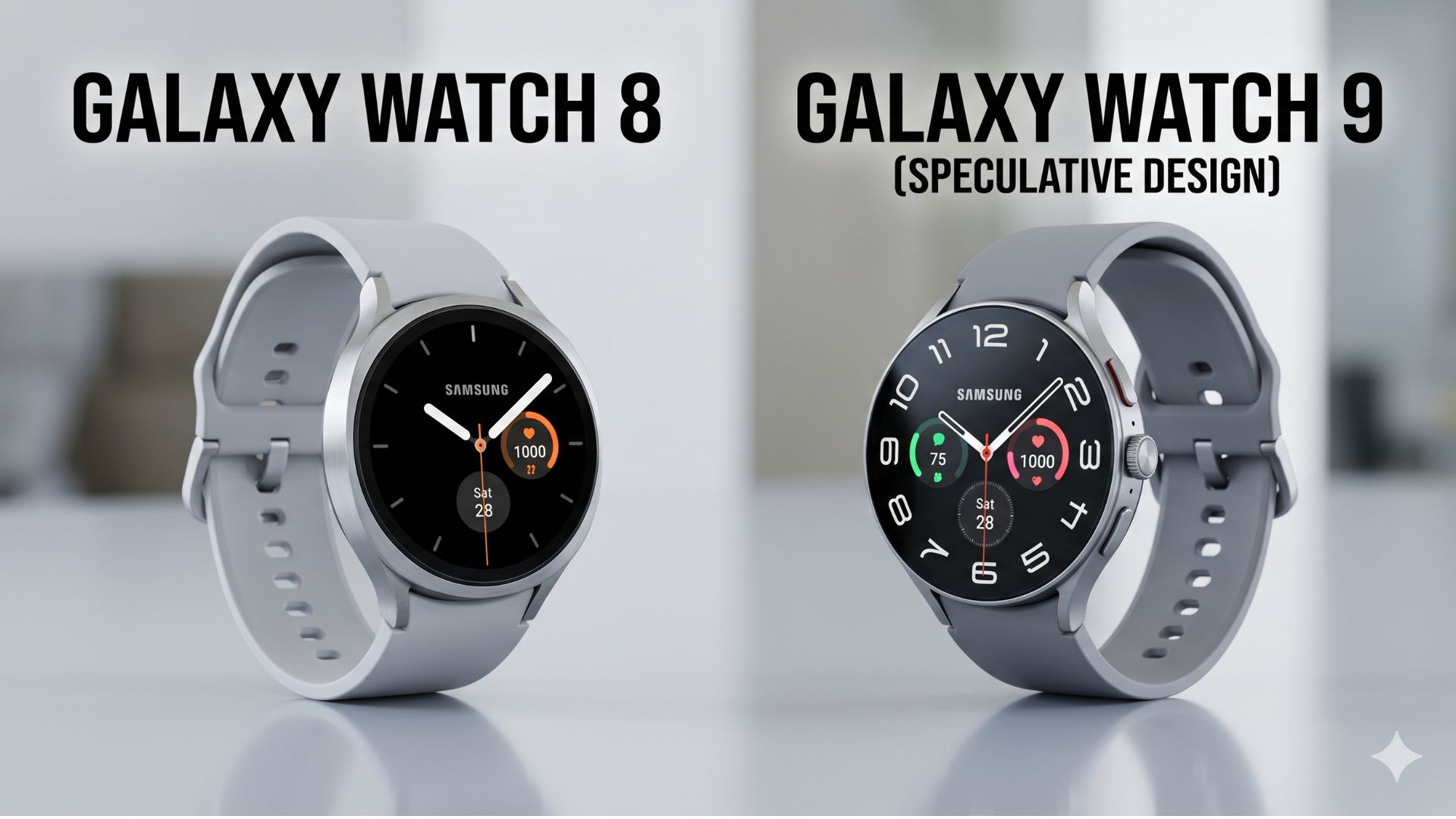
Anticipating the Galaxy Watch 9: What the Rumors Suggest
Samsung's smartwatch lineup has consistently pushed the boundaries of wearable technology, blending fitness tracking with smart functionalities. The Galaxy Watch 8, released on August 10, 2023, represented a significant iteration, introducing features like improved health sensors, a more robust processor, and enhanced battery life compared to its predecessors. However, the tech world is already buzzing with anticipation for its successor, the yet-to-be-announced Galaxy Watch 9. While Samsung remains tight-lipped, a steady stream of leaks and industry speculation paints a picture of what consumers might expect, and crucially, whether the current Galaxy Watch 8 still holds its value for those considering an upgrade or a new purchase.
The core of any smartwatch upgrade debate lies in the tangible improvements offered by the new model. For the Galaxy Watch 9, early indicators point towards advancements in processing power, battery efficiency, and potentially new health monitoring capabilities. This isn't just about incremental updates; it's about how these changes will impact the user experience. Will the Watch 9 offer a smoother, more responsive interface? Can it provide deeper, more actionable health insights? These are the questions potential buyers are asking, and the answers are slowly emerging from the tech grapevine.
Key Speculation Areas for Galaxy Watch 9
The most frequently cited potential upgrade for the Galaxy Watch 9 revolves around its chipset. While the Watch 8 features the Exynos W930, it's widely expected that the Watch 9 will debut with a next-generation Exynos W-series processor. This would likely translate to significant performance gains, enabling faster app loading, smoother animations, and more efficient power management. For users who push their smartwatches with multiple apps and continuous tracking, this could mean a noticeably snappier experience, reducing the lag that can sometimes plague even high-end wearables.
Beyond raw processing power, health tracking is another area ripe for innovation. The Watch 8 already boasts an impressive array of sensors, including ECG, blood oxygen monitoring, and body composition analysis. However, the industry is moving towards more predictive and proactive health insights. Rumors suggest the Watch 9 could incorporate advanced sleep tracking with detailed sleep stage analysis, potentially even detecting sleep apnea indicators. Furthermore, advancements in optical heart rate sensors could lead to more accurate real-time heart rate monitoring during intense workouts and potentially introduce new metrics like heart rate variability (HRV) analysis for stress assessment.
Battery life remains a perennial concern for smartwatch users. While the Watch 8 offered a respectable improvement over previous generations, the Watch 9 is rumored to feature optimizations that could extend its operational time. This might come through more power-efficient components, smarter software management of background processes, or even a slight increase in battery capacity. Achieving multi-day usage without compromising features is the holy grail for wearables, and any significant step in this direction would be a major selling point.
Galaxy Watch 8 vs. Galaxy Watch 9: The Upgrade Decision
For owners of the Galaxy Watch 8, the decision to upgrade hinges on the severity of the perceived shortcomings of their current device and the magnitude of the Watch 9's rumored improvements. If the Watch 8's performance is already meeting your needs, and its health tracking provides the insights you require, then waiting might be the prudent choice. Samsung typically maintains software support for its devices for several years, meaning the Watch 8 will continue to receive updates and remain a capable smartwatch for the foreseeable future.
However, if you are consistently frustrated by sluggish performance, find yourself frequently needing to charge your Watch 8, or are eager for the latest advancements in health monitoring—particularly if you have specific health concerns that could benefit from more advanced sensors—then the Galaxy Watch 9 could be a compelling upgrade. The potential leap in processor speed, combined with rumored enhancements in battery life and health analytics, could offer a genuinely superior user experience. It's important to remember that these are currently rumors, and the final specifications of the Galaxy Watch 9 may differ.
The timing of the launch also plays a role. Samsung typically unveils its new smartwatches in the late summer or early fall. If the Galaxy Watch 8 is your primary device and its performance is satisfactory, waiting until the official announcement of the Watch 9 will allow for direct comparison and potentially lead to discounts on the Watch 8 as retailers clear inventory. This approach ensures you make an informed decision based on concrete specifications rather than speculation.
The Broader Market Context
The smartwatch market is intensely competitive, with players like Apple, Google (with Fitbit integration), and Garmin constantly innovating. Samsung's strategy with the Galaxy Watch line has been to target the Android ecosystem, offering a premium experience that rivals the Apple Watch for iPhone users and often surpasses other Android options. The rumored improvements for the Watch 9 suggest Samsung is aiming to maintain this competitive edge, focusing on the core areas that consumers value most: performance, health, and battery endurance.
For founders and developers in the wearable tech space, these potential advancements signal key trends. The increased processing power in future devices will enable more complex on-device AI and machine learning for health analytics, reducing reliance on cloud processing and improving privacy. Developers can anticipate a platform that supports richer, more interactive applications and more sophisticated sensor data processing. For investors, Samsung's continued investment in its wearable division underscores the growing importance of the health and wellness technology sector. The company's ability to integrate its smartwatches seamlessly with its broader ecosystem of smartphones, tablets, and home appliances remains a significant differentiator.
Ultimately, the decision to upgrade from the Galaxy Watch 8 to the Galaxy Watch 9, when it arrives, will depend on individual needs and priorities. For many, the Galaxy Watch 8 will remain an excellent choice. For those seeking the absolute cutting edge in performance and health insights, the rumored upgrades of the Watch 9 might justify the wait and the expense. As always, waiting for official specifications and independent reviews is the most reliable path to making the right decision.