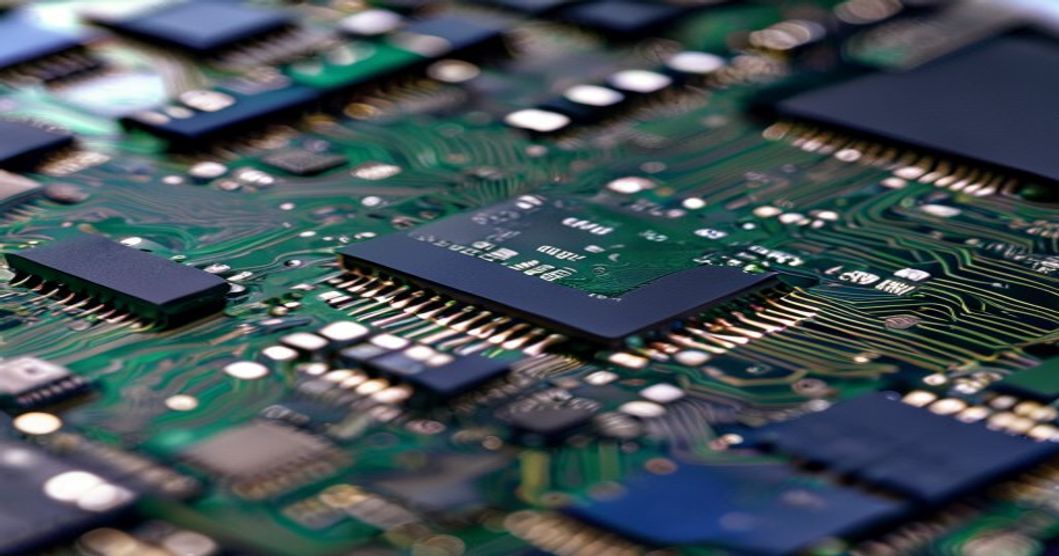
A New Generation, A Familiar Dilemma
Framework has built its reputation on repairability, upgradeability, and a commitment to user choice. The Framework Laptop 13 Pro continues this ethos, but with a significant shift in its pricing strategy. While the previous Intel-based models offered a compelling blend of modularity and performance, the new Pro models, featuring AMD Ryzen 7040 series processors, bring a substantial improvement in battery life. This upgrade, however, comes with a considerably higher price tag, placing it in a different competitive bracket and raising questions about its value proposition for existing Framework enthusiasts and new buyers alike.
The core appeal of Framework remains: a laptop designed to be taken apart, repaired, and upgraded. This philosophy is deeply ingrained in its design, from the easily replaceable mainboard to the swappable expansion cards. The new Pro models leverage the efficiency and power of AMD's Ryzen 7040 series, specifically the Ryzen 5 7640U and Ryzen 7 7840U. These chips are known for their integrated RDNA 3 graphics and improved power management, which directly translate to longer battery life. In testing, the Framework Laptop 13 Pro with the Ryzen 7 7840U consistently delivered over 10 hours of real-world usage, a significant leap from the 6-7 hours typically seen with its Intel predecessors. This extended endurance makes it a far more practical machine for users who frequently work away from a power outlet.
However, this leap in battery performance is not without its trade-offs. The price of the Framework Laptop 13 Pro is considerably higher than previous generations. A fully configured model, including the motherboard, CPU, RAM, storage, and the necessary input modules, can easily exceed $2,000. When comparing this to other premium laptops on the market, which often offer more integrated features or established brand prestige at a similar or lower price point, the Framework's premium becomes harder to justify for a broader audience. The company's argument for this price increase likely centers on the higher cost of AMD's latest mobile silicon, the engineering required to integrate it into their unique modular chassis, and the continued investment in their sustainable business model. Yet, for many, the price-to-performance ratio, while improved in terms of battery, has taken a hit in terms of overall value for money.
Performance and Graphics: A Step Up
The integration of AMD's Ryzen 7040 series processors brings a noticeable uplift in both CPU and GPU performance. The Ryzen 5 7640U and Ryzen 7 7840U are powerful chips capable of handling demanding workloads. For everyday tasks like web browsing, document editing, and video playback, the laptop is exceptionally responsive. Multitasking is smooth, with applications launching quickly and switching between them being seamless, even with a dozen tabs open in a browser and several applications running in the background.
Where the upgrade is particularly evident is in the integrated graphics. The RDNA 3 architecture found in these Ryzen chips offers a significant boost over previous generations. While the Framework Laptop 13 Pro is not a dedicated gaming machine, it can now handle lighter gaming titles and more graphically intensive creative tasks with greater ease. Users can expect to play popular esports titles at respectable frame rates with adjusted settings, and photo editing or even light video editing becomes more viable. This enhanced graphical capability broadens the laptop's appeal beyond just productivity, making it a more versatile tool for creators and multimedia users.
The Modular Advantage: Still King, But With Caveats
Framework's modularity is its defining feature, and the Pro models continue to excel here. The expansion card system, allowing users to choose between USB-C, USB-A, HDMI, DisplayPort, Ethernet, and even microSD card readers, remains a brilliant implementation. This flexibility ensures that users can tailor the laptop's ports to their specific needs, reducing the reliance on dongles and hubs. The ease with which these cards can be swapped out—a simple matter of unscrewing a few small screws—is a testament to the thoughtful design.
Beyond the expansion cards, the internal modularity is equally impressive. The ability to replace the mainboard, RAM, SSD, Wi-Fi card, battery, keyboard, and even the display assembly means that the laptop is future-proofed to a degree unmatched by most manufacturers. If a component fails, it can be ordered directly from Framework and replaced by the user, drastically extending the device's lifespan and reducing electronic waste. This is the core promise of Framework: a laptop that evolves with you and lasts for years, not just a few cycles of upgrades. The company also offers upgrade kits, allowing users to swap in newer mainboards as they become available, effectively giving the laptop a new lease on life without needing to buy an entirely new machine.
The challenge, however, is that the high entry price for the Pro models might deter the very users who would most benefit from this long-term investment and sustainability. While the initial cost is high, the total cost of ownership over several years, factoring in potential upgrades and repairs, could theoretically be lower than repeatedly buying new, less repairable laptops. But this requires a significant upfront commitment and a belief in the long-term viability of the Framework ecosystem. For a user who might only keep a laptop for two to three years, the higher initial outlay for the Pro model, coupled with the premium price, becomes a significant barrier.
The Price Conundrum
The most significant hurdle for the Framework Laptop 13 Pro is its price. When configured with the Ryzen 7 7840U, 32GB of RAM, and a 1TB SSD, the price can climb to around $2,100. This puts it squarely in competition with established premium ultrabooks from Apple, Dell, HP, and Lenovo, many of which offer more refined build quality, higher-resolution displays, or more powerful dedicated graphics options at similar price points. For instance, a similarly priced MacBook Air or Dell XPS 13 might offer a more polished user experience and a stronger brand ecosystem.
Framework's value proposition has always been tied to its unique approach to repairability and customization, not necessarily to being the cheapest option. However, the substantial price increase for the Pro models shifts this balance. The previous Intel-based Framework laptops were often priced competitively, or at a slight premium that was easily justifiable by the modularity. The Pro models, while offering superior battery life and graphics, demand a premium that is much harder to swallow. It forces potential buyers to ask whether the enhanced battery life and the inherent benefits of modularity are worth the significant additional cost, especially when competing devices offer compelling alternatives for less.
What remains unanswered is how this pricing strategy will affect Framework's ability to attract new customers and retain its existing, more price-sensitive user base. Will the improved battery life and performance be enough to convince users to pay a significant premium, or will it push them towards more conventional, albeit less repairable, alternatives? The company's commitment to sustainability and user empowerment is admirable, but market economics are a harsh reality. If the Pro models become too expensive for the average enthusiast, Framework risks becoming a niche product for a select few rather than the broader movement it aims to be.