Beyond the Dashboard: ForkMesh World's Vision
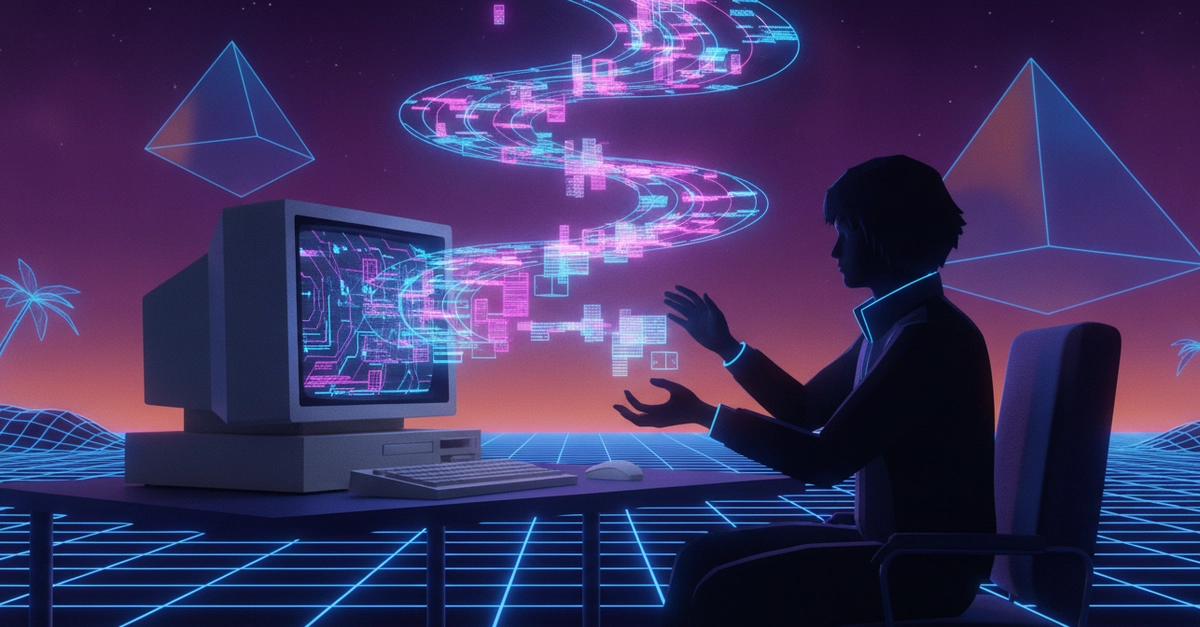
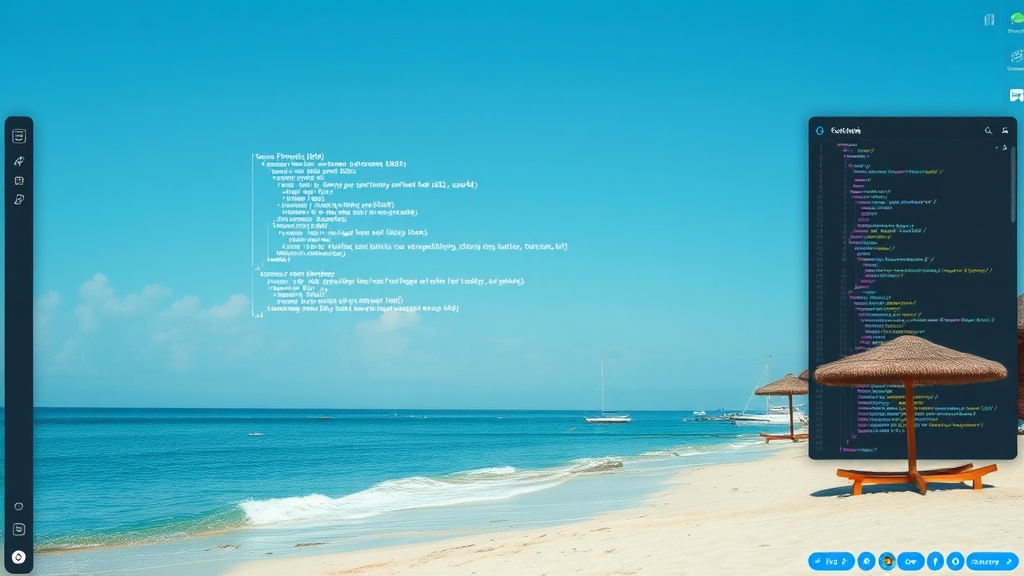
The software development landscape is saturated with tools, yet a common criticism persists: most of them rely on the same old dashboard interface. ForkMesh World, a new entrant, argues that this focus on sterile, rectangular windows is fundamentally at odds with the human element of building software. Instead of another dashboard, their journey began with a beach – a metaphor for creating a more engaging, collaborative, and human-centric environment for developers, open-source communities, and companies.
This isn't about virtual reality for its own sake. The core idea is that software is built by people, and people benefit from spaces that foster genuine connection. ForkMesh World aims to be that space, allowing teams to "hang out" and collaborate in a way that transcends the typical remote work setup. The platform seeks to blend the social aspects of physical co-location with the efficiency of digital tools, creating a hybrid environment where code, community, and connection can thrive simultaneously.
The platform's underlying philosophy is that the current developer tool paradigm, dominated by isolated interfaces and transactional communication, hinders organic collaboration and community building. ForkMesh World posits that by providing a shared, persistent virtual environment, they can unlock new levels of synergy. This approach is designed to combat the inherent isolation of remote development, making it feel less like a collection of individual tasks and more like a collective endeavor within a shared digital 'world'.
Bridging the Gap: From Isolation to Integration
Traditional developer tools, while powerful, often treat collaboration as an add-on feature rather than a foundational element. Platforms like GitHub, while instrumental in code sharing and version control, are primarily functional repositories. Communication tools like Slack or Discord, while fostering community, are separate from the actual development workflow. ForkMesh World seeks to integrate these aspects. They envision a space where discussions about a pull request happen organically within the same environment where the code is being reviewed and modified.
The challenge ForkMesh World addresses is the fragmentation of the developer experience. Developers often juggle multiple applications: an IDE for coding, a terminal for execution, a project management tool for tasks, a chat app for communication, and a code repository for version control. This constant context-switching is not only inefficient but also detrimental to deep work and spontaneous problem-solving. ForkMesh World's ambition is to create a unified experience where these elements are not just accessible but interconnected within a cohesive virtual space.
Consider the difference between a virtual water cooler and a dedicated Slack channel. While both facilitate communication, the former implies a shared physical presence and spontaneous interaction that is difficult to replicate in purely text-based or dashboard-driven environments. ForkMesh World aims to capture this spontaneity, allowing developers to serendipitously connect, share ideas, and troubleshoot issues as if they were in the same room, even when physically distributed across the globe. This approach could fundamentally alter how open-source communities interact, fostering stronger bonds and more dynamic contributions.
The Technology and the Future
While the initial announcement focuses on the vision and the 'why,' the technical underpinnings of ForkMesh World are crucial to its success. The platform will likely need to integrate with existing developer workflows and tools seamlessly. This means robust APIs for IDE integration, version control systems, and potentially CI/CD pipelines. The 'hang out' aspect suggests a need for real-time communication features, collaborative coding environments, and perhaps even virtual whiteboarding or project visualization tools.
The success of ForkMesh World hinges on its ability to move beyond novelty and provide tangible benefits to developers and organizations. Can it truly enhance productivity? Will it foster stronger, more resilient open-source communities? The most significant unanswered question is how ForkMesh World will balance the desire for a more human, social development environment with the stringent demands for security, privacy, and performance that professional developers require. Integrating social elements without compromising workflow efficiency or introducing new security vectors will be a critical balancing act.
The long-term vision extends beyond individual teams. ForkMesh World could become a hub for open-source projects, allowing contributors to interact more closely and fostering a sense of shared ownership and purpose. For companies, it offers a potential solution to the challenges of remote team management, aiming to build a more cohesive and engaged workforce. If successful, ForkMesh World could redefine what it means to 'work together' in the digital age, proving that software development can be both highly productive and deeply human.